A beekeeping smoker facilitates hive management by generating cool smoke that fundamentally alters the colony's defensive behavior. By disrupting the bees' internal chemical communication system—specifically pheromone signaling—it renders the colony docile, significantly reducing stinging incidents and ensuring safety during inspections and harvesting operations.
The smoker acts as a chemical jammer and a distraction mechanism. It masks the "alarm" signals sent between bees while simultaneously triggering a survival instinct that diverts their attention from defense to resource preservation.
The Physiological Impact on the Colony
Disrupting Communication Lines
Honey bees rely on a sophisticated chemical communication system to coordinate defense. When a guard bee perceives a threat or stings an intruder, it releases an alarm pheromone (primarily isopentyl acetate) that alerts other bees to attack.
The cool smoke produced by the smoker effectively masks these pheromones. Because the colony cannot detect the chemical "distress signal," the defensive chain reaction is broken. Even if one bee becomes agitated, the rest of the hive remains calm, preventing a mass mobilization of guard bees.
Triggering the Survival Instinct
Beyond masking scents, smoke triggers an ancient evolutionary response to fire. When bees smell smoke, they instinctively prepare to abandon the hive by gorging on honey.
This induced feeding instinct has a physical sedative effect. Engorged bees are physically heavier and their abdomens become distended, making it mechanically difficult for them to bend their bodies to sting. Consequently, their focus shifts from attacking the beekeeper to consuming and saving their food stores.
Operational Mechanics of the Smoker
Generating Cool Smoke
The efficacy of the tool relies on the production of cool, white smoke, not hot fire. The device utilizes a combustion chamber where fuel smolders rather than burns openly.
Hot smoke can singe bee wings and cause panic rather than calm. A proper smoker allows the combustion byproducts to cool before exiting the nozzle, ensuring the intervention is minimally invasive and safe for the insect's delicate physiology.
Controlled Application via Airflow
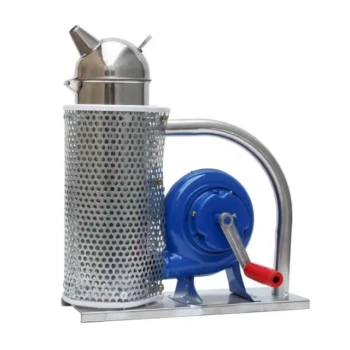
The smoker is operated using a bellows system. Pumping the bellows forces air into the bottom of the combustion chamber, fueling the smolder and pushing a directional stream of smoke out the top.
This allows the beekeeper to apply smoke precisely where needed—usually at the hive entrance or across the top bars—creating a "safe operational window." This controlled sedation is a prerequisite for complex tasks like cleaning nest plates or collecting samples without harming the colony structure.
Understanding the Trade-offs
The Risk of Over-Smoking
While smoke is a critical safety tool, it is still a stressor for the colony. Excessive smoke can cause confusion and agitation rather than calm, potentially driving bees out of the hive entirely or contaminating the honey with a smoky flavor.
Thermal Dangers
The most common operator error is allowing the smoker to run too hot. If the fuel flares up, the device can blow invisible flames or sparks into the hive.
This causes immediate physical harm, melting wax and killing bees. It is essential to verify the smoke is cool to the touch before directing it into the hive.
Making the Right Choice for Your Goal
To maximize the effectiveness of a smoker while protecting your apiary, align your technique with your specific objective:
- If your primary focus is Operator Safety: Apply a few puffs of smoke at the entrance a few minutes before opening the hive to allow time for the pheromone masking to take effect.
- If your primary focus is Colony Welfare: Ensure your fuel source produces a dense, cool white smoke to induce the calming feeding instinct without risking thermal injury to the bees.
Mastering the smoker is about balancing control with restraint, ensuring a calm environment for both the keeper and the colony.
Summary Table:
| Feature | Impact on Honey Bees | Operational Benefit |
|---|---|---|
| Pheromone Masking | Disrupts alarm signals (isopentyl acetate) | Prevents mass defensive mobilization |
| Feeding Instinct | Triggers honey consumption/engorgement | Bees become physically lethargic and docile |
| Cool Smoke Delivery | Minimizes physiological stress | Safe for bee wings and hive internal wax |
| Bellows System | Controlled, directional smoke flow | Precision application for specific hive tasks |
Elevate Your Apiary Operations with HONESTBEE
At HONESTBEE, we understand that efficient hive management starts with the right tools. We cater specifically to commercial apiaries and global distributors, offering a comprehensive wholesale range of high-quality beekeeping equipment. From precision-engineered beekeeping smokers that ensure colony safety to advanced honey-filling machines and hive-making hardware, our portfolio is designed to scale your business.
Why partner with HONESTBEE?
- Comprehensive Supply: A full spectrum of tools, machinery, and essential industry consumables.
- Wholesale Excellence: Competitive pricing and bulk availability for large-scale operations.
- Cultural Merchandise: Unique honey-themed merchandise to diversify your retail offerings.
Ready to enhance your productivity and supply chain? Contact us today to discuss your wholesale needs!
References
- R Umaru, Ronald A. W. Bee Keeping; An Alternative Source of Income Generation. DOI: 10.58578/amjsai.v1i1.3522
This article is also based on technical information from HonestBee Knowledge Base .
Related Products
- Stainless Steel Honey Bee Smoker Hive and Honeycomb Smoker for Beekeeping
- Miniature Stainless Steel Bee Smoker for Beekeeping
- Professional Bee Smoker with Elongated Spout and Durable Bellows for Beekeeping
- Electric Bee Smoker European Style Bee Hive Smoker for Beekeeping
- Galvanized Beekeeping Smoker for Honey Bee and Apiculture
People Also Ask
- What are bee smokers made out of? Choose the Right Material for Your Apiary
- What type of bee smoker is recommended for a beginner? Top Picks for Easy Hive Management
- Why is a stainless steel bee smoker considered indispensable? Master Hive Management with Cool Smoke Technology
- Why is a specialized bee smoker considered a critical tool for apiary safety? Master Hive Control & Productivity
- What is the best material for a bee smoker? Choose the Right Fuel for a Calm Hive