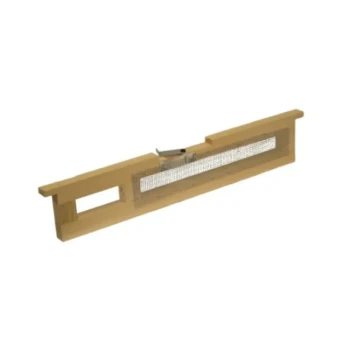
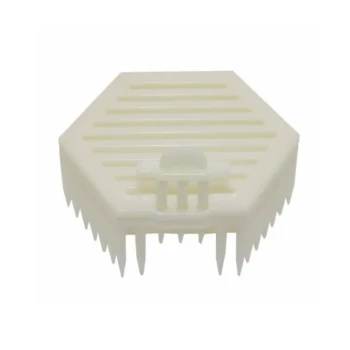
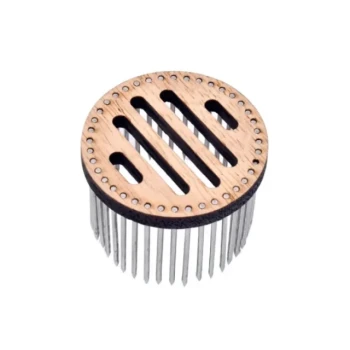
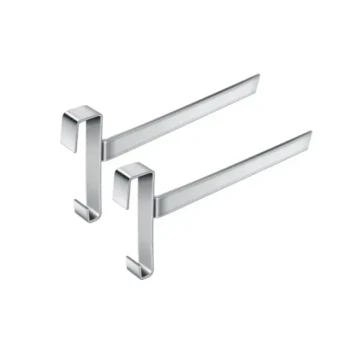
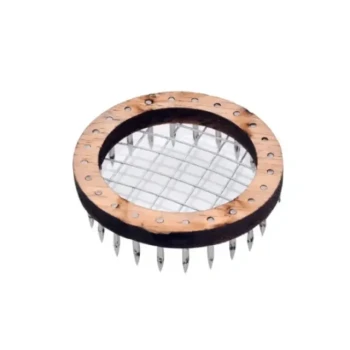
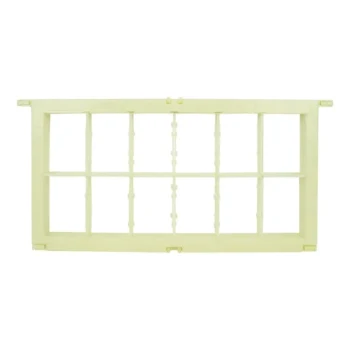
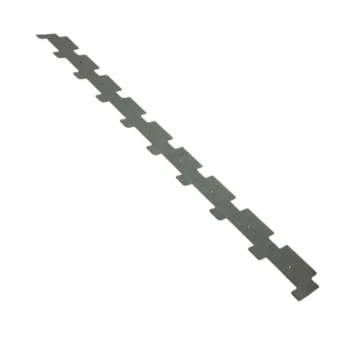
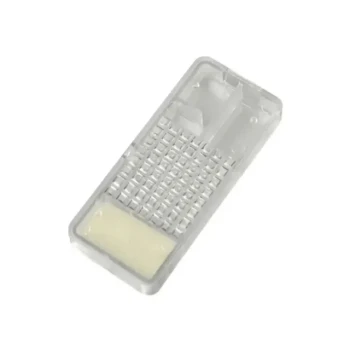
A Full-size Frame Cage functions as a physical isolation tool designed to restrict a queen bee’s egg-laying activity to a single, designated empty comb. By confining the queen to this specific area, the cage forces the colony's Varroa mite population to concentrate within that frame's brood, allowing for the mechanical removal of the parasites once the cells are capped.
The Trapping Comb Technique leverages the biological preferences of mites to turn a single frame of brood into a "magnet," allowing beekeepers to significantly reduce mite loads without applying chemical treatments.
The Mechanics of the Trapping Strategy
The Full-size Frame Cage is the hardware component that makes the biological "trap" possible. Its function relies on manipulating the queen's movement and the mites' reproductive cycle.
Isolating the Queen
The cage physically encloses a single empty comb within the hive.
By placing the queen inside this cage, you limit her egg-laying area strictly to that specific frame. She cannot traverse to other parts of the hive to deposit eggs.
Creating the Biological Lure
Varroa mites are biologically driven to enter brood cells immediately before the bees cap them with wax.
Because the queen is restricted to the caged frame, that frame becomes the exclusive source of larvae at the correct age for mite infestation.
This creates a powerful concentration effect. Mites from across the entire hive migrate to this single frame, as it provides the only available reproductive ground.
The Extraction Process
Once the worker bees cap the cells in the restricted frame, the trap is effectively "closed."
The mites are now trapped inside the sealed brood cells along with the developing pupae.
The beekeeper then physically removes the frame from the hive. This action eliminates the concentrated mite population instantly.
Understanding the Trade-offs
While the Full-size Frame Cage offers a chemical-free solution, it functions differently than passive treatments and requires specific management.
Dependence on Physical Intervention
Unlike chemical strips that are set and left alone, this technique requires active manipulation.
You must physically remove the frame at the precise moment the cells are capped to ensure the mites are trapped but have not yet emerged.
Brood Sacrifice
The mechanism of removal implies a trade-off regarding the brood itself.
To eliminate the mites trapped in the comb, the frame—containing the developing larvae—must be removed and processed. This sacrifices that specific batch of brood to save the wider colony from infestation.
Making the Right Choice for Your Goal
The Full-size Frame Cage is a precision tool that trades labor for chemical independence.
- If your primary focus is Chemical-Free Beekeeping: This tool allows you to mechanically remove a substantial portion of the mite load without introducing synthetic or organic acids to the hive.
- If your primary focus is Mite Population Management: This method creates a bottleneck that concentrates mites into a single location, making monitoring and removal highly efficient compared to treating the whole hive.
By controlling where the queen lays, you control where the mites go, turning their own reproductive cycle against them.
Summary Table:
| Feature | Function in Trapping Comb Technique |
|---|---|
| Queen Isolation | Restricts egg-laying to a single, specific comb frame. |
| Mite Concentration | Forces mites to migrate to the only available brood for reproduction. |
| Mechanical Removal | Eliminates mites by extracting the capped frame without chemicals. |
| Treatment Type | Biological/Physical intervention (Zero chemical residues). |
| Primary Goal | High-efficiency Varroa population reduction via brood interruption. |
Scale Your Varroa Management with HONESTBEE
Transitioning to chemical-free mite control requires precision tools that perform under pressure. At HONESTBEE, we specialize in supporting commercial apiaries and distributors with a comprehensive wholesale inventory of professional-grade beekeeping machinery and equipment.
Whether you are scaling up with full-size frame cages or optimizing your facility with our advanced hive-making and honey-filling machines, our portfolio is designed to enhance your operational efficiency and sustainability. From essential industry consumables to specialized hardware, we provide the full spectrum of tools needed for modern, large-scale beekeeping.
Ready to elevate your wholesale sourcing? Contact our expert team today to discuss how our robust supply chain and specialized equipment can drive your business success.
References
- Ralph Büchler, Antonio Nanetti. Summer brood interruption as integrated management strategy for effective Varroa control in Europe. DOI: 10.1080/00218839.2020.1793278
This article is also based on technical information from HonestBee Knowledge Base .
Related Products
- Professional Wooden Requeening Frame for Beekeeping
- 5 Frame Wooden Nuc Box for Beekeeping
- Hexagonal Direct Comb Introduction Queen Bee Cage
- Premium Wood and Steel Push In Queen Cage
- Heavy-Duty T-Style Frame Perch
People Also Ask
- What are the primary functions of beekeeping frames? Boost Efficiency with Professional Hive Management
- What are the best practices for assembling beekeeping frames? Pro Tips for Maximum Durability & Efficiency
- How are deep, medium, and shallow frames typically used in beekeeping? Optimize Your Hive Setup
- What are the characteristics of wooden frames in beekeeping? Unlock Natural Flexibility & Cost-Effectiveness
- What are the common specifications for wooden beekeeping frames used in colony expansion? Your Complete Guide