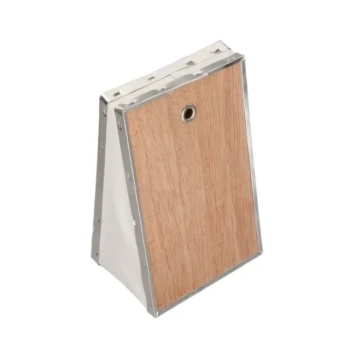
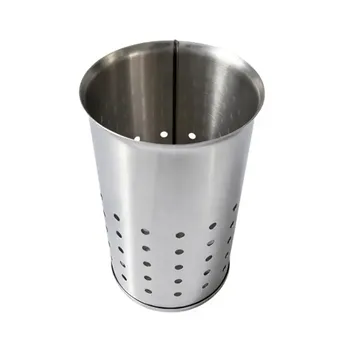
The professional beekeeping smoker serves as the critical interface between the apiarist and the colony. It generates cool smoke that masks the chemical signals bees use to communicate danger, effectively neutralizing their defensive behavior during interactions. This allows technical staff to perform essential daily tasks—such as inspections, harvesting, and disease treatment—without triggering a mass attack.
The smoker functions not by physically subduing the bees, but by interfering with the transmission of alarm pheromones. By disrupting this communication network, the smoker creates a window of safety that transforms hazardous hive manipulation into a controlled, efficient process.
The Mechanism of Control
Disrupting Chemical Communication
Honeybees rely heavily on pheromones to coordinate colony defense. When a threat is perceived, guard bees release alarm pheromones to signal the rest of the hive to attack.
The smoker produces a dense fog that physically obscures these airborne chemical signals. This prevents the "attack command" from spreading throughout the colony, keeping the majority of the population calm.
The Importance of "Cool" Smoke
It is vital to distinguish that professional smokers are designed to produce cool smoke, not hot fumes.
Hot smoke can singe the bees' wings or overheat the brood, causing permanent damage to the colony structure. Cool smoke provides the necessary olfactory distraction without physically harming the sensitive insects.
Enhancing Operational Efficiency
Enabling Routine Inspections
Regular monitoring is the backbone of colony health. The smoker allows technical staff to open the hive and remove frames to check for the queen, brood pattern, and food stores.
Without this tool, the defensive response would make detailed inspections nearly impossible, leading to neglected hives and missed warning signs of decline.
Facilitating Harvest and Treatment
Harvesting honey and applying disease prevention treatments are invasive procedures.
The smoker minimizes the stress placed on the colony during these events. It ensures that the technical staff can work efficiently, reducing the time the hive remains open and vulnerable to the elements or robber bees.
The Limits of the Smoker (Trade-offs)
While the smoker is essential for accessing the hive, it is not a cure-all for colony management issues.
It Cannot Prevent Absconding
Smoke calms aggression, but it does not address environmental stress. If a colony is absconding due to forage shortages, smoke is ineffective.
Solving this requires strategic apiary site selection near continuous food sources (farms or forests) and vegetation protection measures, rather than behavioral suppression.
It Is Not a Treatment Tool
The smoker grants access to the hive, but it does not kill pests.
Effective Integrated Pest Management (IPM) requires the use of standardized consumables like traps, physical isolation racks, or biological control agents. The smoker merely allows the beekeeper to install these tools safely to target pests like Varroa mites or hive beetles.
Making the Right Choice for Your Goal
To manage a colony effectively, you must understand which tool addresses which problem.
- If your primary focus is immediate safety during inspection: Rely on the smoker to mask alarm pheromones and reduce defensive behavior.
- If your primary focus is pest control: Use the smoker to gain access, but rely on IPM consumables (traps and racks) to actually reduce infestation rates.
- If your primary focus is colony retention: Look beyond the smoker to environmental management, ensuring the site has adequate nectar and pollen to prevent absconding.
The smoker is the key that opens the door to the hive, but the success of the colony depends on what you do once you are inside.
Summary Table:
| Feature/Function | Benefit to Apiary Management | Key Considerations |
|---|---|---|
| Pheromone Masking | Neutralizes defensive behavior and prevents mass attacks. | Essential for worker safety and colony calm. |
| Cool Smoke Generation | Distracts bees without causing physical harm or singeing wings. | Must avoid hot fumes to protect brood health. |
| Operational Access | Facilitates frame inspections, harvesting, and disease treatment. | Reduces hive-open time and environmental exposure. |
| Strategic Integration | Works alongside IPM tools and environmental management. | Does not replace pest control or forage needs. |
Elevate Your Commercial Beekeeping Operations with HONESTBEE
At HONESTBEE, we understand that professional-grade tools are the foundation of a productive apiary. We cater specifically to commercial apiaries and distributors, providing a comprehensive wholesale catalog that spans the entire spectrum of beekeeping needs.
From high-performance beekeeping smokers (Ahumadores) and hive-making machinery to honey-filling equipment and essential industry consumables, our portfolio is designed to enhance your efficiency and scale your business. Partner with us to access specialized hardware and honey-themed cultural merchandise that sets your brand apart.
Ready to scale your production? Contact HONESTBEE today to discuss our wholesale solutions and how we can support your growth in the beekeeping industry.
References
- Juan Lerdón, Eduardo Macario Moctezuma Navarro. Análisis económico de una unidad productiva de miel, localizada en el sector Antilhue. DOI: 10.4206/agrosur.2017.v45n2-01
This article is also based on technical information from HonestBee Knowledge Base .
Related Products
- Stainless Steel Honey Bee Smoker Hive and Honeycomb Smoker for Beekeeping
- Miniature Stainless Steel Bee Smoker for Beekeeping
- Professional Bee Smoker with Elongated Spout and Durable Bellows for Beekeeping
- Electric Bee Smoker European Style Bee Hive Smoker for Beekeeping
- Galvanized Beekeeping Smoker for Honey Bee and Apiculture
People Also Ask
- What are bee smokers made out of? Choose the Right Material for Your Apiary
- What type of bee smoker is recommended for a beginner? Top Picks for Easy Hive Management
- Why is a stainless steel bee smoker considered indispensable? Master Hive Management with Cool Smoke Technology
- How should a beekeeper use a smoker when approaching a hive? A Guide to Calm, Safe Inspections
- Why is a specialized bee smoker considered a critical tool for apiary safety? Master Hive Control & Productivity