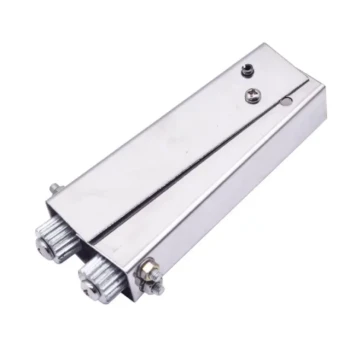
A standardized grid frame wire functions as a precision overlay tool that converts the organic, irregular patterns of a bee colony into standardized numerical data. By placing a mesh of uniform units—typically measuring 5x4 centimeters or 25 square centimeters—over a honeycomb frame, technicians can transition from estimating colony health to rigorously measuring it.
Core Takeaway In beekeeping assessment, the standardized grid transforms biological volume into statistical data. It eliminates the subjectivity of visual inspection, allowing for the precise evaluation of breeding performance, feeding efficacy, and the impact of chemical treatments.
Transforming Biology into Data
The Mechanism of Measurement
The grid frame wire acts as a physical filter for data collection. By overlaying the grid onto the comb, the complex surface area of the hive is divided into manageable, countable units.
Quantifying Brood Area
The primary metric for breeding performance is the area of sealed brood cells. Technicians count the number of grid squares filled with capped brood to calculate the colony’s reproductive rate. This provides a tangible metric for the queen's laying capacity and the colony's potential for expansion.
Assessing Population and Resources
Beyond the brood, the grid allows for the accurate counting of adult bee populations and the measurement of stored pollen reserves. This holistic view confirms not just reproductive output, but the colony's ability to support that growth with labor and nutrition.
The Role in Comparative Analysis
Evaluating Feeding Methods
As noted in primary technical protocols, the grid is essential for determining how different feeding strategies impact colony strength. By establishing a baseline using the grid, researchers can scientifically prove which nutritional inputs yield higher brood density.
Monitoring Treatment Side Effects
The grid also serves as a safety monitor during medical interventions. When applying treatments such as lactic acid, the grid allows technicians to detect subtle adverse effects on reproductive rates that might be missed during a standard visual inspection.
Ensuring Statistical Consistency
For data to be valid, it must be comparable across different hives and apiaries. The standardized grid removes human error and estimation bias, ensuring that "Colony A" and "Colony B" are measured against the exact same physical benchmarks.
Understanding the Trade-offs
The Cost of Intrusion
While precise, this method requires physically opening the hive and manipulating frames. This intrusion can temporarily disrupt colony temperature and stress the bees, which is a variable that must be managed during the assessment.
The Time Investment
Grid assessment is a manual, labor-intensive process compared to visual estimation. It requires trained technical personnel to perform the counts, making it more resource-heavy than standard commercial inspections.
Applying This to Your Project
If your primary focus is Scientific Research or Breeding:
- Implement the grid method immediately to establish a rigorous baseline for genetic selection or nutritional studies.
If your primary focus is Commercial Honey Production:
- Use the grid method selectively on a sample set of hives to monitor general apiary health without slowing down overall operations.
If your primary focus is Treatment Safety:
- Utilize the grid before and after applying new chemical controls to mathematically verify that brood rearing has not been negatively impacted.
Standardization turns the art of beekeeping into the science of colony management.
Summary Table:
| Metric Category | Measurement Purpose | Key Benefit of Using Grid |
|---|---|---|
| Brood Area | Quantifies sealed brood cells | Accurately measures queen's laying capacity |
| Population | Counts adult bee density | Determines labor capacity and growth potential |
| Resource Storage | Measures pollen/honey reserves | Evaluates colony's nutritional security |
| Treatment Impact | Monitors side effects of chemicals | Mathematically verifies safety of treatments |
| Comparative Analysis | Benchmarks across different hives | Eliminates subjective bias and human error |
Maximize Your Apiary Productivity with HONESTBEE
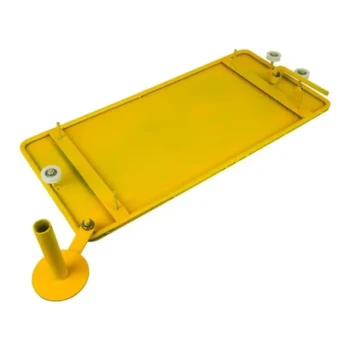
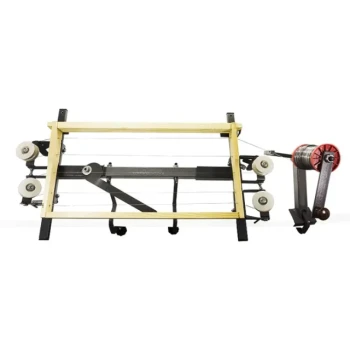
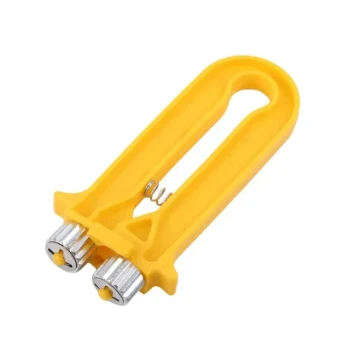
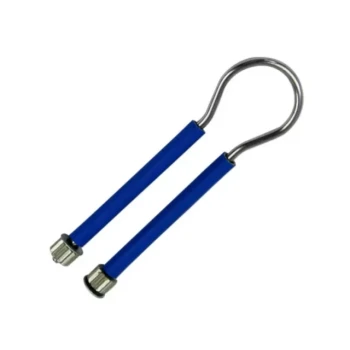
At HONESTBEE, we understand that precision is the foundation of successful commercial beekeeping and breeding. We provide a comprehensive wholesale range of professional tools, from high-precision standardized grid frame wires and specialized beekeeping machinery to full-scale honey-filling systems and cultural merchandise.
Whether you are a commercial apiary seeking to optimize breeding performance or a distributor looking for high-quality industry consumables, we deliver the specialized hardware and expertise you need to scale efficiently.
Ready to upgrade your equipment? Contact us today to discover how our wholesale solutions can enhance your operations and drive your success in the beekeeping industry.
References
- Nuru Adgaba, Yehya Alattal. Brood-Rearing Enhancing Potential of Manually Packed Pollen Feeding in Comparison with Pollen and Pollen Supplements in Patty Forms. DOI: 10.2478/jas-2020-0023
This article is also based on technical information from HonestBee Knowledge Base .
Related Products
- HONESTBEE Durable Frame Wiring Board with Integrated Tensioner
- Stainless Steel Bee Hive Frame Wire for Beekeeping
- HONESTBEE Professional Frame Wiring Board and Jig
- Professional Bee Frame Wiring Tool with Integrated Tensioning System by HONESTBEE
- HONESTBEE Wired and Assembled Wooden Bee Frames Foundation for a Thriving Hive
People Also Ask
- What tools and materials are required for wiring a beehive frame? Essential Equipment for Stronger Honeycomb
- How to wire a bee frame? A Step-by-Step Guide for Strong, Durable Honeycomb
- What is the final step in wiring a frame? Secure Lasting Tension for a Durable Hive
- What is minimalist bee frame wiring? Learn the Risks and Benefits for Beekeeping
- What factors determine the amount of wiring needed in beehive frames? Tailor Your Strategy for Your Climate