Minimalist bee frame wiring is a simplified assembly technique that utilizes only two strands of horizontal wire to secure the beeswax foundation, regardless of the frame's vertical dimensions. While this method reduces material usage and initial assembly time, it provides significantly less structural support than standard wiring methods, making it a controversial choice for many beekeepers.
Core Takeaway Minimalist wiring relies on the absolute minimum support structure—two wires—to hold a comb in place. This practice is generally discouraged in warm climates or for honey production, as it often fails to prevent the honeycomb from sagging under heat or breaking during centrifugal extraction.
The Mechanics and Limitations
Defining the Technique
Standard frame wiring often involves four or more horizontal strands, or complex cross-wiring patterns, to maximize rigidity.
In contrast, minimalist wiring restricts this support to just two strands. This approach is applied uniformly, meaning even deep frames that carry heavy loads receive no additional reinforcement.
The Climate Constraint
The viability of this method is heavily dependent on ambient temperature.
Minimalist wiring is only potentially practical in cooler regions. In these environments, the internal hive temperature remains lower, which helps the wax maintain its natural rigidity.
Heat-Induced Sagging
In warmer climates, beeswax softens significantly.
Without adequate wire support, the heavy wax foundation can sag or collapse before the bees have a chance to draw out the comb. The two-strand method rarely provides enough surface area tension to counteract this heat-induced deformation.
Why Structural Integrity Matters
Preventing Extraction Failures
One of the primary purposes of wiring is to reinforce the comb against mechanical stress.
When frames are placed in a centrifugal extractor, the rotational forces pull the honey out but also exert immense pressure on the wax. Two wires are often insufficient to keep the honeycomb from breaking out of the frame during this violent process.
Supporting New Foundation
Before bees add their own wax and propolis, the commercial foundation is fragile.
Proper wiring prevents the fresh foundation sheets from bowing or warping. If the sheet warps, bees may build "wild comb" or irregular cells that make hive management difficult.
Long-Term Frame Durability
Wiring serves a secondary structural role as the wooden components of the frame age.
Tensioned wires act as internal bracing, helping to hold the frame's top and bottom bars together. Reducing this to two strands weakens the overall rigidity of the wooden assembly over time.
Understanding the Trade-offs
The Risk of Catastrophic Failure
The primary trade-off of minimalist wiring is exchanging reliability for a small saving in wire and labor.
While you save a few minutes during assembly, you risk losing an entire frame of honey or brood if the comb collapses.
Geography is the Deciding Factor
This is not a universal solution.
If you are located in a region with hot summers, the lack of support makes this method functionally obsolete. The risk of the comb sliding off the wires due to heat is simply too high.
Making the Right Choice for Your Goal
- If your primary focus is keeping bees in a cool climate: You may be able to utilize minimalist wiring successfully, provided you monitor the frames for signs of bowing.
- If your primary focus is honey production and extraction: Avoid this method entirely; use standard multi-strand wiring to withstand the high forces of your extractor.
- If your primary focus is frame longevity: Opt for robust wiring patterns that will keep the wooden components tight and the comb straight for years to come.
Ultimately, while minimalist wiring is technically feasible, standard wiring remains the superior choice for ensuring the structural security of your colony's work.
Summary Table:
| Feature | Minimalist Wiring (2 Strands) | Standard Wiring (4+ Strands) |
|---|---|---|
| Material Usage | Low (Cost-saving) | Higher (More wire used) |
| Assembly Speed | Fast | Moderate |
| Heat Resistance | Poor (Risk of sagging) | High (Maintains shape) |
| Extraction Suitability | Low (High risk of breakage) | High (Withstands centrifugal force) |
| Climate Recommendation | Cooler regions only | All climates (Essential for warm areas) |
| Structural Longevity | Limited frame bracing | Enhanced frame rigidity |
Maximize Your Apiary's Structural Integrity with HONESTBEE
Don't let collapsing combs and sagging wax compromise your honey yield. At HONESTBEE, we provide commercial apiaries and distributors with high-quality beekeeping tools and machinery designed to withstand the demands of heavy production.
Whether you need precision honey-filling machines, durable hive-making equipment, or premium wiring consumables, we offer the comprehensive wholesale solutions your business deserves.
Ready to upgrade your equipment? Contact us today to discover how our specialized beekeeping hardware and industry expertise can streamline your operations and safeguard your harvest.
Related Products
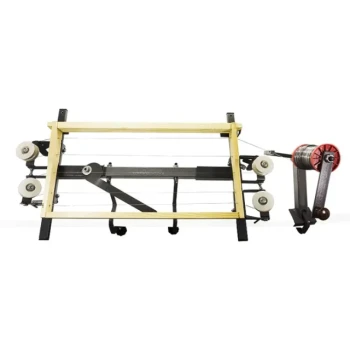
- Professional Bee Frame Wiring Tool with Integrated Tensioning System by HONESTBEE
- Stainless Steel Bee Hive Frame Wire for Beekeeping
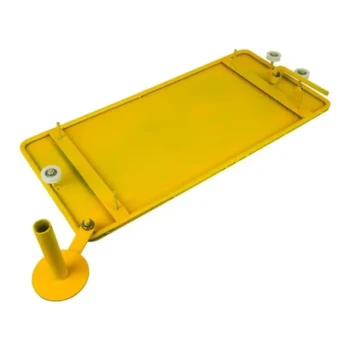
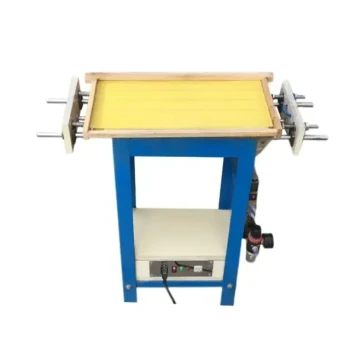
- HONESTBEE Professional Frame Wiring Board and Jig
- HONESTBEE Durable Frame Wiring Board with Integrated Tensioner
- HONESTBEE Wired and Assembled Wooden Bee Frames Foundation for a Thriving Hive
People Also Ask
- How to wire a bee frame? A Step-by-Step Guide for Strong, Durable Honeycomb
- What is the final step in wiring a frame? Secure Lasting Tension for a Durable Hive
- What tools and materials are required for wiring a beehive frame? Essential Equipment for Stronger Honeycomb
- What is the specified wire gauge for the bee frame wire? Mastering 26-Gauge Wire for Durable Honeycomb Support
- What material is bee frame wire typically made from? The Critical Choice for Hive Health