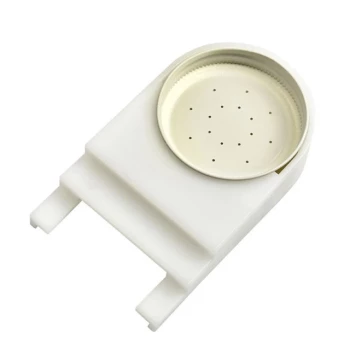
Artificial feeding systems act as a metabolic trigger for honeybee colonies during resource-scarce periods. By providing a continuous flow of energy in the form of sugar syrup or supplements, these systems stimulate the wax glands of worker bees, forcing the secretion of beeswax even in the absence of natural nectar. This technical intervention increases the speed of comb building by approximately 15.0%, ensuring the colony has sufficient infrastructure for brood rearing and storage prior to the main nectar flow.
Core Takeaway Deploying artificial feeding hardware is not merely a survival mechanism; it is a productivity accelerator that converts off-season downtime into active infrastructure growth. By artificially sustaining energy levels, you enable the colony to build essential comb significantly faster, positioning the hive for maximum yield immediately upon the arrival of the nectar flow.
The Mechanism of Enhanced Construction
Stimulating Wax Secretion
The production of beeswax is an energy-intensive process biologically linked to caloric intake.
When an artificial feeding system provides a steady supply of carbohydrates, it mimics a natural nectar flow. This constant energy input directly stimulates the wax glands of worker bees, allowing them to secrete wax scales necessary for construction.
Accelerating Infrastructure Growth
Technical data indicates that colonies supported by artificial feeding hardware during off-seasons exhibit a measurable increase in construction efficiency.
Specifically, the speed of comb building increases by approximately 15.0% compared to unfed colonies. This acceleration is critical for overcoming the dormancy usually associated with non-nectar seasons.
Strategic Space Preparation
The primary operational goal of this stimulation is "pre-loading" the hive with usable space.
By forcing comb construction early, beekeepers ensure there is ample room for honey storage and brood rearing before the main season begins. This prevents the bottleneck that occurs when bees must simultaneously forage for nectar and build the comb to store it.
Supporting Colony Vitality
Maintaining Population for Labor
Comb building requires a substantial labor force; a weak colony cannot construct infrastructure effectively.
Feeding systems prevent colony absconding and starvation-driven population crashes during droughts or scarcity. By keeping the population stable, the hardware ensures there are enough worker bees available to utilize the energy input for construction.
The Role of Protein Supplements
While sugar syrup drives wax production, the colony also requires protein for the workforce that builds the comb.
Using pollen patties in conjunction with feeders supports queen egg-laying and brood development. A peak population size is required to maximize the benefits of the 15% increase in building speed.
Enhancing Biological Resilience
Artificial feeding does more than provide raw calories; it can support the bees' internal defense systems.
Balanced nutritional support activates detoxification enzyme systems within individual bees. This enhances resistance to pathogens and pesticides, ensuring the builders remain healthy enough to construct the comb.
Understanding the Trade-offs
Equipment Dependency and Maintenance
Reliancing on artificial systems requires vigilant management of the hardware.
Automatic feeders and watering devices must be monitored to ensure flow does not cease unexpectedly, which could stress a colony that has ramped up its metabolic activity.
Nutritional Balance is Critical
Supplying sugar syrup alone stimulates wax but creates a nutritional imbalance if protein is neglected.
Without the addition of pollen substitutes or micronutrients, the colony may build comb but lack the brood viability to fill it. Malnutrition in a rapidly building colony can lead to weaker individual bees.
Making the Right Choice for Your Goal
To leverage artificial feeding effectively, align your strategy with your specific objective:
- If your primary focus is maximizing honey yield: Initiate feeding early in the off-season to secure the 15.0% speed increase in comb building, ensuring maximum storage capacity is ready for the first day of the nectar flow.
- If your primary focus is colony survival: Prioritize the consistency of the energy supply to prevent absconding, treating comb building as a secondary benefit to population stabilization.
- If your primary focus is rapid expansion: Combine carbohydrate feeding (for wax) with pollen patties (for brood) to ensure the new comb is immediately utilized by a growing workforce.
Effective artificial feeding transforms the passive off-season into an active phase of asset accumulation.
Summary Table:
| Feature | Impact on Comb Building | Key Benefit |
|---|---|---|
| Wax Gland Stimulation | Mimics natural nectar flow to trigger wax secretion | Active construction regardless of season |
| Construction Speed | Provides a 15.0% increase in building efficiency | Rapid infrastructure growth in off-seasons |
| Space Preparation | "Pre-loads" the hive with storage and brood cells | Prevents bottlenecks during peak nectar flow |
| Population Stability | Prevents colony absconding and labor crashes | Ensures a consistent workforce for building |
| Nutritional Synergy | Activates detoxification and biological resilience | Produces healthier, more productive worker bees |
Maximize Your Apiary’s Productivity with HONESTBEE
Are you ready to transform your off-season downtime into a high-growth phase? HONESTBEE caters to commercial apiaries and distributors with a comprehensive wholesale offering designed for industrial success.
We provide the full spectrum of beekeeping tools, machinery, and equipment, including:
- Advanced Hardware: From precision hive-making to high-speed honey-filling machines.
- Essential Consumables: A wide array of supplies to maintain colony health and vitality.
- Cultural Merchandise: Unique honey-themed retail products to diversify your portfolio.
Whether you need to scale your infrastructure or optimize your honey processing line, our team is here to support your growth. Contact us today to explore our wholesale solutions and see how we can bring superior value to your beekeeping operation.
References
- S. Pokhrel, SM Shrestha. Absconding Behavior and Management of Apis cerana F. Honeybee in Chitwan, Nepal. DOI: 10.3126/jiaas.v27i0.699
This article is also based on technical information from HonestBee Knowledge Base .
Related Products
- HONESTBEE Professional Hive Top Bee Feeder Feeding Solution
- HONESTBEE Entrance Bee Feeder Efficient Hive Front Liquid Feeding Solution for Beekeeping
- Classic Boardman Entrance Bee Feeder Hive Front Feeding Solution
- In-Hive Dual Compartment Frame Bee Feeder for Targeted Colony Nutrition
- Rapid Bee Feeder White Plastic 2L Round Top Feeder for 8 or 10-Frame Bee Hives
People Also Ask
- How does a bee hive top feeder work? A Guide to Efficient, Protected Feeding
- Do I need an inner cover with a hive top feeder? Optimize Your Hive Setup for Healthy Bees
- What is a hive top feeder? A Guide to Efficient, Low-Stress Beekeeping
- What is a hive top feeder, and how does it work? A Complete Guide to Efficient In-Hive Feeding
- What are the characteristics, advantages, and disadvantages of hive top feeders? Optimize Your High-Volume Feeding