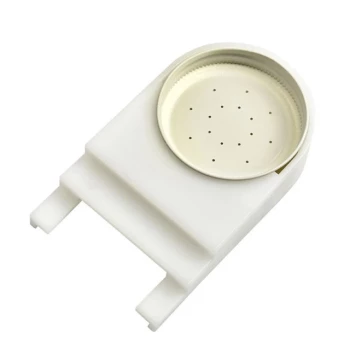
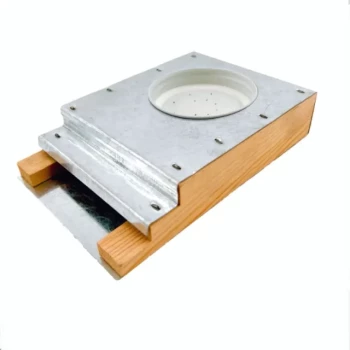
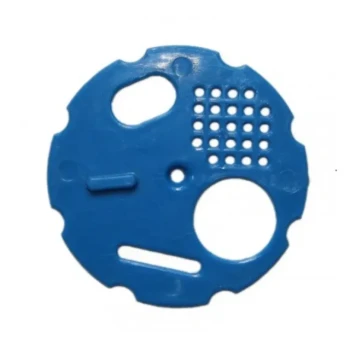
Entrance feeders are external feeding devices commonly used by beekeepers to provide syrup or water to a colony without opening the hive. Also known as Boardman feeders, they typically consist of an inverted jar (often a standard mason jar) resting on a feeding tray that slides directly into the hive’s entrance, allowing bees to access nourishment while keeping the bulk of the food supply outside the hive body.
Entrance feeders offer the primary benefit of zero-intrusion management, allowing you to monitor and refill feed without disrupting the colony's internal climate. However, their external position exposes the food source to outside elements and potential theft by other insects.
The Operational Benefits
Minimizing Hive Disturbance
The most significant advantage of an entrance feeder is the ability to refill food supplies without "cracking the propolis" or opening the hive cover.
This preserves the hive's internal temperature and organization, which is less stressful for the bees.
It eliminates the need for smoke or protective gear during a simple refill, making the process faster for the beekeeper.
Effortless Monitoring
Because the feed jar is exposed outside the hive, you can gauge food consumption levels at a glance.
This allows you to determine immediately if the colony is taking the syrup or if they have stopped feeding.
It removes the guesswork associated with internal feeders, where you often must open the hive just to check if the feeder is empty.
Strategic Spring Usage
Entrance feeders are particularly effective for providing water in the spring.
(See Supplementary References) While syrup can be messy, water is less likely to attract pests, making this a low-risk method for hydration during early foraging months.
Understanding the Trade-offs
While the primary reference notes that some models include features to deter robbing, experienced apiarists know that placing food outside the hive introduces specific risks.
The Risk of Robbing
Despite design features intended to deter theft, having syrup located at the entrance can attract bees from other colonies, wasps, or ants.
The scent of syrup is outside the hive defenses, which can trigger a "robbing frenzy" where stronger colonies overwhelm the hive using the feeder.
Temperature Sensitivity
Because the feeder is external, the syrup or water is subject to ambient air temperatures.
(See Supplementary References) Bees generally cannot access the liquid when temperatures drop to the low 50s Fahrenheit, as the cold syrup lowers their body temperature too drastically.
Limited Capacity
Most entrance feeders rely on quart-sized jars, which is a relatively small volume compared to in-hive options.
During periods of heavy feeding, a strong colony may empty the jar daily, requiring constant attention and labor from the beekeeper.
Making the Right Choice for Your Goal
If you are deciding whether to deploy entrance feeders, consider your specific environmental conditions and management style.
- If your primary focus is non-intrusive monitoring: Use entrance feeders during mild weather to keep a close eye on consumption rates without disturbing the bees.
- If your primary focus is feeding during cold weather: Avoid entrance feeders; opt for internal feeders to keep the syrup warm and accessible to the cluster.
- If your primary focus is preventing robbing: Use entrance feeders strictly for water, or switch to internal feeders to keep the scent of syrup contained inside the hive.
Entrance feeders are excellent tools for convenience and observation, provided they are used in the right season and with an awareness of the risks regarding temperature and hive security.
Summary Table:
| Feature | Entrance Feeder (Boardman) | Key Benefit/Consideration |
|---|---|---|
| Installation | External (Hive Entrance) | No need to open the hive or disturb the bees. |
| Monitoring | Visual (Exposed Jar) | Instant assessment of feed levels at a glance. |
| Best Use | Spring Hydration/Mild Weather | Ideal for water or syrup when temperatures are stable. |
| Climate Impact | High Sensitivity | Feed can become too cold for bees in low temperatures. |
| Security | Robbing Risk | External placement may attract pests or neighboring bees. |
Scaling Your Beekeeping Success with HONESTBEE
Are you looking to streamline your apiary operations or expand your wholesale inventory? HONESTBEE is your premier partner for professional-grade beekeeping solutions. We provide commercial apiaries and distributors with a comprehensive range of high-quality tools, including durable entrance feeders, hive-making machinery, and honey-filling equipment.
From essential consumables to specialized hardware and honey-themed cultural merchandise, we deliver the reliability your business demands. Let us help you optimize your colony management and increase efficiency with our bulk supply capabilities.
Ready to elevate your production? Contact HONESTBEE Today for Wholesale Inquiries
Related Products
- HONESTBEE Entrance Bee Feeder Professional Hive Nutrition Solution for Beekeeping
- HONESTBEE Entrance Bee Feeder Efficient Hive Front Liquid Feeding Solution for Beekeeping
- Classic Boardman Entrance Bee Feeder Hive Front Feeding Solution
- Boardman Entrance Bee Feeder Durable Galvanized Steel and Wood Construction for Beekeeping
- Professional Hive Front Entrance Bee Feeder
People Also Ask
- What types of bee feeders are available for beginners? Start with the Simple Entrance Feeder
- What are the advantages and disadvantages of using an entrance feeder for bees? Balance Convenience and Hive Security.
- What is a bee entrance feeder and what are its drawbacks? Essential Guide to Hive Security and Feeding Efficiency
- How does a bee entrance feeder work? A Simple Guide to Convenient Hive Feeding
- How to make an entrance feeder for bees? A DIY Guide for Safe & Effective Feeding