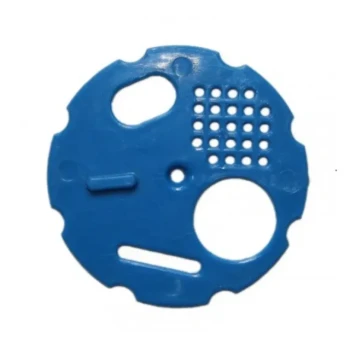
An entrance reducer acts as a strategic force multiplier for a honey bee colony as it navigates its annual population shifts. By artificially constricting the hive’s opening, this tool compensates for the natural reduction in workforce numbers, allowing a smaller colony to defend itself against intruders and conserve vital heat during colder months.
As a colony’s population naturally wanes in the latter half of the year, the ratio of guard bees to entrance area drops dangerously low. An entrance reducer compensates for this biological vulnerability by creating a defensible bottleneck and minimizing heat loss.
The Biology of Population Fluctuation
To understand the necessity of an entrance reducer, one must first understand the colony's natural timeline.
The Growth Phase
According to standard apiary biology, a honey bee colony typically experiences a growth phase for six months, generally spanning from December through June.
During this period, the population expands rapidly, providing a surplus of bees to manage hive tasks, forage, and guard the entrance.
The Decline Phase
Conversely, the colony enters a natural decline for the subsequent six months, typically from June through December.
As the population shrinks, the colony is left with a significantly reduced workforce to manage the same physical hive structure.
How the Reducer Compensates
The entrance reducer is designed to bridge the gap between the hive's static physical size and the colony's dynamic population size.
Optimizing Defense Strategies
When the population decreases, fewer bees are available to serve as guards.
A wide, fully open entrance becomes difficult for a small number of guards to patrol effectively.
The reducer narrows this opening, creating a choke point that is much easier for a reduced workforce to defend against robbers and pests.
Thermal Regulation
Beyond defense, the colony must maintain internal warmth, especially as the population decline coincides with the approach of winter.
A large opening allows for rapid heat exchange, which can be fatal for a small cluster of bees trying to stay warm.
The entrance reducer limits airflow, significantly aiding the colony in conserving heat and maintaining a stable internal climate.
Critical Considerations and Trade-offs
While an entrance reducer is vital during population decline, it is not a "set it and forget it" tool. Misuse can hinder the colony.
The Risk of Congestion
If an entrance reducer is left in place during the peak growth phase (Dec-June), it can create a traffic jam.
Foragers returning with nectar and pollen may struggle to enter, slowing down production and causing bearding on the front of the hive.
Ventilation Constraints
Reducing the entrance size restricts air circulation.
While beneficial in winter, this can be detrimental in hot weather or humid climates, potentially leading to overheating or moisture buildup within the hive.
Aligning Equipment with Colony Cycles
Success requires synchronizing your equipment management with the bee's natural calendar.
- If your primary focus is Overwintering: Install the reducer to its smallest setting to maximize heat retention and minimize the area guard bees must protect.
- If your primary focus is Spring Expansion: Remove or widen the reducer to prevent congestion and allow the growing population to forage efficiently.
The entrance reducer is a simple tool that, when timed correctly, ensures the physical hive environment supports, rather than hinders, the colony's survival.
Summary Table:
| Feature | Growth Phase (Dec - June) | Decline Phase (June - Dec) |
|---|---|---|
| Colony Population | Rapidly Expanding | Naturally Shrinking |
| Reducer Setting | Wide Open / Removed | Constricted / Smallest |
| Primary Benefit | Maximum Foraging Flow | Defensive & Thermal Protection |
| Key Risk | Congestion & Overheating | Intruders & Heat Loss |
Scale Your Apiary Operations with HONESTBEE Professional Solutions
Managing colony cycles requires more than just knowledge—it demands high-quality, reliable equipment. At HONESTBEE, we specialize in supporting commercial apiaries and distributors with a comprehensive wholesale catalog designed for efficiency and durability.
Our value to your business includes:
- Complete Equipment Spectrum: From precision-engineered entrance reducers and specialized beekeeping tools to advanced hive-making and honey-filling machinery.
- Consumable Supplies: A full array of essential industry consumables to keep your operations running smoothly year-round.
- Cultural Merchandise: Unique honey-themed merchandise to diversify your retail offerings.
Whether you are expanding your commercial fleet or stocking your distribution center, HONESTBEE provides the hardware and expertise you need to succeed.
Contact our wholesale team today to discuss your bulk equipment needs!
Related Products
- Steel Round Disc Entrance Reducer for Flexzion Bee Hive Nuc Box Gate
- Beehive Entrance Reducer Guardian Metal Hive Entrance for Bees
- Professional Hive Front Entrance Bee Feeder
- HONESTBEE Entrance Bee Feeder Efficient Hive Front Liquid Feeding Solution for Beekeeping
- HONESTBEE Entrance Bee Feeder Professional Hive Nutrition Solution for Beekeeping
People Also Ask
- What is the purpose of an entrance reducer for a beehive? Strengthen Colony Defense and Prevent Robbery
- Why are entrance reducers used to counter hornet infestations? Protect Your Hive with Strategic Choke Points
- Why is it critical to maintain a smaller entrance for a newly established bee hive? Boost Colony Growth and Security
- Under what conditions should a beekeeper adjust the size of a beehive entrance? Seasonal & Defense Management Tips
- What is the function of an entrance reducer on a beehive? Strengthen Colony Defense and Climate Control