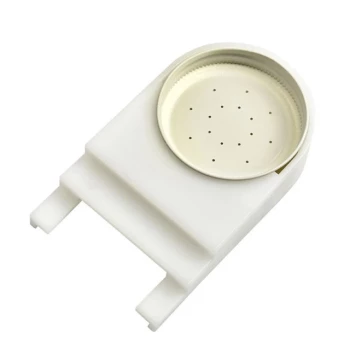
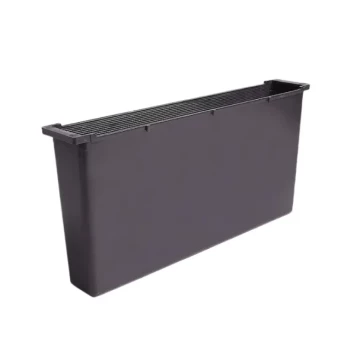
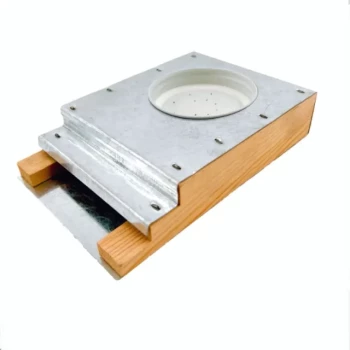
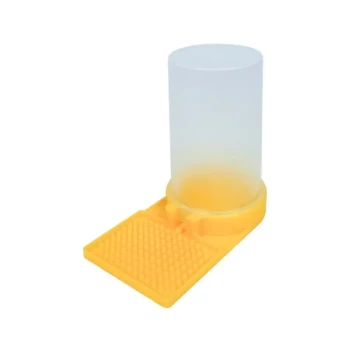
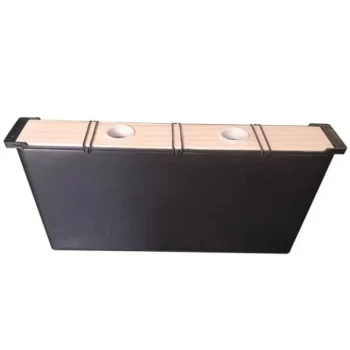
High-quality supplementary feeding equipment acts as a critical defensive barrier for bee colonies by ensuring precise nutritional delivery when the external environment is toxic. By providing a stable, internal feeding path, this equipment minimizes the biological necessity for bees to forage in pesticide-laden fields, thereby directly reducing the colony's contact with harmful chemicals.
Core Insight: The value of this equipment extends beyond simple nutrition; it functions as a risk management tool. By controlling the food and water source internally, you effectively decouple the colony’s survival from the contaminated environment, preventing secondary exposure and bolstering the physical resilience required to withstand chemical stress.
Reducing Exposure Through Strategic Intervention
The primary danger to colonies during pesticide application is the foragers bringing toxins back to the hive. Specialized equipment mitigates this by altering the colony's behavior patterns.
Decreasing the Foraging Drive
When natural nectar and pollen sources are contaminated, the colony’s instinct is still to forage. High-efficiency feeding equipment provides a stable feeding path that satisfies the colony's immediate caloric and protein needs.
By fulfilling these requirements internally, the equipment significantly reduces the collective urge to forage. This directly lowers the volume of contaminated pollen and nectar introduced into the hive, reducing the risk of secondary exposure to the brood and queen.
Supporting Isolation Protocols
During periods of heavy pesticide application, beekeepers often must close hives or relocate them—a practice known as isolation.
In this context, internal feeding equipment is indispensable. It allows for the administration of an artificial diet within the confined space of the hive. This prevents hunger-induced stress and maintains energy levels when the bees are physically prevented from leaving the hive for their own safety.
Physiological Fortification Against Toxicity
Beyond avoiding exposure, the equipment plays a vital role in strengthening the bees' biological ability to survive environmental stressors.
Enhancing Physical Stress Resistance
A colony suffering from nutritional deficits is far more susceptible to chemical poisoning. Precise delivery of high-quality supplements ensures the bees maintain peak physical health.
Well-fed bees possess higher stress resistance. This physiological stability is crucial for alleviating conditions like Colony Collapse Disorder (CCD), as it gives the colony the biological resources needed to detoxify or withstand minor chemical exposures that would destroy a weaker colony.
The Role of Controlled Water Supply
It is not only pollen that carries risk; dew and puddles in agricultural fields often contain high concentrations of chemical residues.
Specialized water supply equipment provides a clean, controlled source of hydration inside the hive. This prevents bees from seeking out contaminated water sources in the field, closing off another common vector for toxin ingestion.
Understanding the Trade-offs
While supplementary feeding equipment is a powerful tool, it must be used with an understanding of its limitations to be effective.
Equipment vs. Consumables
The equipment is only the delivery mechanism. The biological benefit depends entirely on the quality of the consumables used. Even the best equipment cannot mitigate health risks if the artificial diet lacks the essential nutrients required for brood vitality and overwintering survival.
Management Intensity
Reliable risk mitigation requires active management. Beekeepers cannot simply install the equipment and walk away; they must monitor consumption rates to ensure the "feeding path" remains stable. Neglecting the equipment during a critical isolation period can lead to starvation, which is just as lethal as the pesticide exposure you are trying to avoid.
Making the Right Choice for Your Goal
To effectively protect your colonies, align your equipment strategy with your specific environmental risks.
- If your primary focus is immediate protection during spraying: Prioritize internal feeding and water systems that allow you to completely close the hive without causing starvation or dehydration.
- If your primary focus is long-term resilience: Focus on high-capacity feeders that provide a constant nutritional baseline, reducing the daily pressure on bees to forage in potentially marginal or moderately contaminated areas.
The most effective strategy treats supplementary feeding not as a backup plan, but as a proactive biosafety mechanism that ensures colony stability regardless of external agricultural conditions.
Summary Table:
| Feature | Mitigation Mechanism | Benefit to Colony |
|---|---|---|
| Internal Feeding Path | Reduces the drive for external foraging | Minimizes contact with pesticide-laden nectar/pollen |
| Controlled Water Supply | Provides clean hydration inside the hive | Prevents ingestion of contaminated field dew and runoff |
| Nutritional Delivery | Delivers precise caloric and protein supplements | Enhances physiological stress resistance and detoxification |
| Isolation Support | Facilitates feeding during hive closure | Prevents starvation and stress during peak spraying periods |
Secure Your Apiary’s Future with HONESTBEE Professional Solutions
Protecting your colonies from environmental toxins requires more than just high-quality consumables—it demands a robust delivery system. HONESTBEE provides commercial apiaries and distributors with the industry's most reliable beekeeping tools, specialized hive-making machinery, and comprehensive wholesale equipment designed for maximum resilience.
From advanced feeding systems to honey-filling technology and essential consumables, we empower your business to maintain colony health and productivity regardless of external agricultural challenges.
Ready to upgrade your bio-safety protocols?
Contact HONESTBEE Today to explore our wholesale offerings and see how our expertise can strengthen your beekeeping operations.
References
- Amina Brhich, Mohamed Merzouki. Evaluation of Pesticide Effects on Honeybee Health and Colony Collapse: Findings from a Beekeeper Survey in the Beni Mellal-Khenifra Region, Morocco. DOI: 10.30564/jees.v7i2.7645
This article is also based on technical information from HonestBee Knowledge Base .
Related Products
- HONESTBEE Entrance Bee Feeder Efficient Hive Front Liquid Feeding Solution for Beekeeping
- 3.5L Plastic Beehive Frame Feeder Deep Frame Water Feeder for In Hive Use
- Professional Hive Top Bee Feeder for Beekeeping
- In-Hive Dual Compartment Frame Bee Feeder for Targeted Colony Nutrition
- Rapid Bee Feeder White Plastic 2L Round Top Feeder for 8 or 10-Frame Bee Hives
People Also Ask
- What types of bee feeders are available for beginners? Start with the Simple Entrance Feeder
- What are the advantages and disadvantages of using an entrance feeder for bees? Balance Convenience and Hive Security.
- What is a bee entrance feeder and what are its drawbacks? Essential Guide to Hive Security and Feeding Efficiency
- How does a bee entrance feeder work? A Simple Guide to Convenient Hive Feeding
- How to make an entrance feeder for bees? A DIY Guide for Safe & Effective Feeding