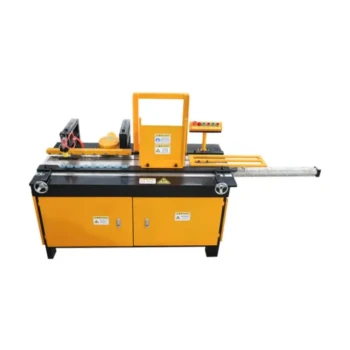
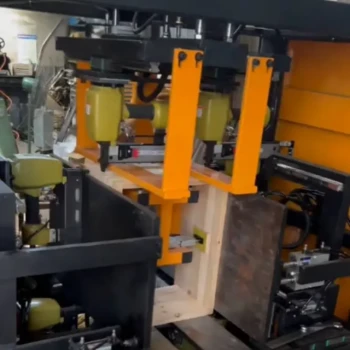
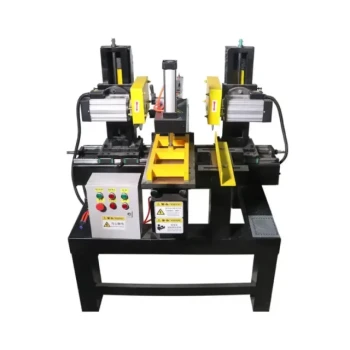
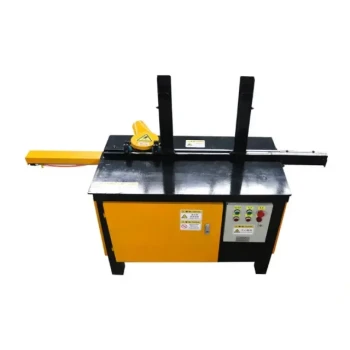
Hive-making machinery is the critical infrastructure for modern comb honey operations, converting raw lumber into high-precision wooden frames and boxes that function simultaneously as the colony's habitat and the final retail packaging. These industrial-grade machines ensure the structural stability and uniform specifications necessary for bees to construct even, aesthetically pleasing honeycombs that meet the demands of over 81% of consumers who prefer natural, wooden packaging.
Core Insight: Unlike liquid honey, where the frame is a tool for extraction, in comb honey production the frame is the product. Hive-making machinery solves the dual challenge of biological precision—giving bees the exact spacing they need to build straight comb—and marketability, delivering the traditional wooden aesthetic premium buyers demand.
Aligning Production with Consumer Preference
The Dominance of Wood in Marketing
The primary role of this machinery is to manufacture high-precision wooden frames and boxes. This is not merely a logistical choice; it is a marketing imperative. Data indicates that over 81% of comb honey consumers prefer wooden containers.
Industrial machinery allows producers to meet this demand at scale. By creating standardized, portable wooden packaging, the machinery ensures the product conveys the "traditional" and "natural" image required for premium retail placement.
Transforming Hardware into Packaging
In comb honey production, the hive component is not reused; it is sold with the honey. Machinery ensures these single-use components are aesthetically flawless.
Precision cutting and finishing create a clean, professional appearance. This eliminates the rough edges or irregularities associated with manual assembly, ensuring the final product looks polished enough for direct-to-consumer sales.
Enhancing Structural Integrity and Colony Health
Enforcing Biological Precision
Bees build honeycomb based on specific spatial rules (known as "bee space"). If a frame is slightly off-measure, bees will build "burr comb" (messy bridges of wax) or uneven surfaces.
High-precision machinery guarantees uniform specifications. This compels the colony to build straight, even combs within standardized chambers, which is essential for visual appeal and ease of packaging.
Optimizing the Hive Environment
Machine-made hives feature scientifically optimized structures that offer superior sealing compared to handmade alternatives. Tighter joints and precise dimensions improve the hive's internal climate control.
This improved insulation and ventilation reduce the metabolic stress on bees. When bees spend less energy regulating temperature, they allocate more resources to wax secretion and honey production, directly improving yield.
Purity and Forage Control
Well-sealed, standardized hives assist beekeepers in precise forage management. By effectively controlling the colony's environment, producers can better manage flowering periods.
This reduces the risk of mixing non-target pollens. It ensures the honey retains specific bioactivities—such as the antioxidant or anti-inflammatory benefits found in Manuka or Tualang honey—by maintaining the purity of the floral source.
Understanding the Trade-offs
Material Selection: Marketing vs. Yield
While the primary reference emphasizes wood for its marketability in comb honey, you must weigh this against thermal efficiency.
Some supplementary data suggests that plastic or synthetic hives offer superior insulation, potentially increasing raw honey yields by reducing the energy bees burn for heat. However, choosing plastic for yield may compromise the consumer appeal essential for selling comb honey, which relies heavily on a "natural" presentation.
The Extraction Distinction
Standardized frames are often touted for compatibility with centrifugal extractors. It is critical to note that this applies to liquid honey production.
For comb honey, the benefit of standardization is not in extraction, but in modularity. Standard sizes allow for easy handling, transport, and boxing without damaging the delicate wax capping.
Making the Right Choice for Your Goal
To select the right machinery and materials for your apiary, consider your end product:
- If your primary focus is Premium Comb Honey: Prioritize high-precision machinery that works with wood, as 81% of your customer base prefers this aesthetic and it commands a higher market price.
- If your primary focus is Liquid Honey Volume: You may benefit from machinery compatible with high-insulation materials (like high-density plastics) to maximize metabolic efficiency and total yield.
- If your primary focus is Bioactive/Medicinal Honey: Focus on machinery that creates superior sealing and ventilation controls to strictly manage forage sources and prevent pollen contamination.
Precision manufacturing transforms the hive frame from a simple tool into a high-value retail package.
Summary Table:
| Feature | Benefit for Comb Honey Production | Impact on Marketing & Sales |
|---|---|---|
| High-Precision Cutting | Ensures "bee space" to prevent messy burr comb. | Creates straight, aesthetically pleasing honeycombs. |
| Wooden Material Focus | Meets biological needs for natural nesting. | Aligns with 81% of consumers preferring wooden packaging. |
| Industrial Standardization | Allows for modularity and easy transport/boxing. | Professional, uniform look for premium retail shelves. |
| Superior Joint Sealing | Enhances climate control and colony health. | Guarantees purity and specific bioactivity of honey. |
| Polished Finishing | Eliminates rough edges and assembly flaws. | Transforms the hive frame into a final retail product. |
Elevate Your Apiary with HONESTBEE Precision Solutions
At HONESTBEE, we understand that in comb honey production, the frame is the product. We provide commercial apiaries and distributors with the high-precision hive-making machinery and specialized hardware needed to turn raw lumber into premium, market-ready packaging.
Our value to your business:
- Comprehensive Wholesale Offering: From honey-filling machines to hive-making equipment.
- Scalable Solutions: We supply beekeeping tools and industry consumables tailored for large-scale operations.
- Market-Driven Design: Our machinery helps you meet the 81% consumer demand for traditional wooden aesthetics.
Ready to optimize your production and capture the premium comb honey market?
Contact HONESTBEE Today to explore our full spectrum of beekeeping machinery and tools.
References
- Yeşim AYTOP, Hüseyin Meral. Consumers Behavior Towards Bee Products Consumption in The Centre District of Kahramanmaras Province. DOI: 10.18016/ksutarimdoga.vi.561320
This article is also based on technical information from HonestBee Knowledge Base .
Related Products
- High-Efficiency Pneumatic Bee Hive Making Machine for Rapid Box Assembly
- Beehive Handle and Frame Rest Cutting Machine: Your Specialized Hive Machine
- Mini Desktop Bee Hive Frame Forming Making Machine
- Automatic High-Speed Bee Hive Box Stapling Machine
- Beehive Machine Double End Saw for Precision Hive Component Manufacturing
People Also Ask
- How does the introduction of professional beehive-making machinery benefit sustainable beekeeping? Scale Your Apiary
- Why is specialized beehive-making machinery critical for low-defense breeding? Enhance Selection with Precision Tools
- How does the introduction of specialized beehive making machinery contribute to increasing the scale of regional beekeeping industries?
- What is the importance of specialized beehive making machinery in a circular bio-economy? Build Local Sustainability
- Why is specialized beehive-making machinery essential? Scale Your Apiary with Precision Industrial Standards