Honeybee wing morphology turns the colony into a living ventilation system. The larger forewing and smaller hindwing lock together with microscopic hooks called hamuli, creating a coordinated wing surface for flight and, inside the hive, effective fanning. Workers use wing-generated airflow to remove heat, bring in fresh air, and evaporate water from nectar; hive ventilation equipment should therefore support and regulate this behavior rather than replace it.
The best hive ventilation system is a controllable complement to bee behavior: it manages heat and moisture while preserving the colony’s ability to regulate the brood nest through fanning, clustering, and other collective responses.
How Wing Morphology Supports Hive Climate Control
The forewing–hindwing structure
Honeybee wings consist of a larger forewing and a smaller hindwing. During flight, microscopic hamuli hook the two wings together so they function as a coordinated aerodynamic surface.
That morphology provides the mechanical basis for efficient wing movement. Inside the hive, workers can use their wings to generate air currents across combs, cells, and hive openings.
Fanning is more than simple cooling
Worker bees fan at the hive entrance and within the hive to circulate air. This helps remove accumulated heat and improves the movement of moist air out of the colony.
Fanning is especially important during nectar flow. Bees direct airflow across open nectar cells, allowing water to evaporate as nectar ripens into shelf-stable honey.
The colony regulates itself collectively
A honeybee colony functions as a superorganism. Individual workers adjust their behavior according to local conditions, while the colony collectively maintains a stable brood environment, generally around 33–36°C or approximately 34–35°C.
In hot conditions, bees fan and use evaporative cooling. In cold conditions, they cluster, generate heat through muscle activity, and reduce unnecessary heat loss.
What This Means for Hive Ventilation Design
Ventilation should support natural airflow paths
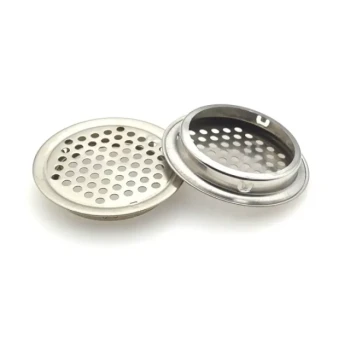
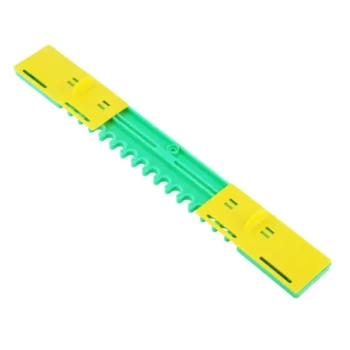
Hive components should help air move through the hive without creating uncontrolled drafts. Screened bottom boards, ventilated inner covers, and adjustable entrance guards can provide additional routes for air exchange.
These components work like passive valves. They influence how air enters, exits, and circulates while allowing bees to continue controlling the immediate brood environment.
Screened bottom boards help manage heat and moisture
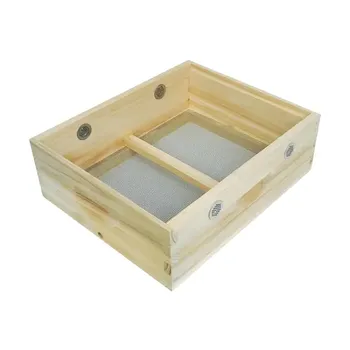
A screened bottom board can improve ventilation beneath the hive and provide an escape path for warm, humid air. It may also reduce moisture accumulation when used with an appropriately configured hive.
However, screening is not automatically beneficial in every climate or season. The design should be compatible with local temperatures, wind exposure, insulation, and the colony’s overwintering requirements.
Ventilated inner covers assist upward airflow
A ventilated inner cover can help warm, humid air move toward the upper portion of the hive rather than condense directly above the cluster. This is particularly relevant when nectar processing creates substantial moisture.
The cover should provide controlled ventilation rather than an excessive opening that causes heat loss or exposes the colony to strong drafts.
Adjustable entrances provide seasonal control
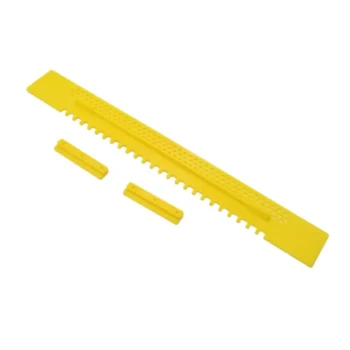
Entrance guards and reducers allow beekeepers to adjust the effective opening according to weather, colony strength, and seasonal conditions. Larger openings may improve airflow during hot weather, while reduced openings can limit drafts and help weaker colonies defend the entrance.
Adjustability is more valuable than a permanently maximized opening. The correct airflow level changes with ambient temperature, wind, humidity, and colony activity.
Matching Equipment to Biological Requirements
Brood temperature is the primary design reference
The brood nest requires a stable temperature even when external conditions fluctuate substantially. Ventilation equipment should therefore be selected for temperature moderation, not simply maximum air exchange.
A system that cools the hive too aggressively can increase the energy bees spend clustering or reheating the brood area. A system that provides too little airflow can increase heat stress and moisture buildup.
Moisture control is as important as heat removal
Fanning removes heat, but it also drives the evaporation of water from nectar. Poor moisture management can lead to condensation, damp hive materials, and avoidable winter stress.
For this reason, ventilation products should be evaluated for their ability to support controlled moisture movement, not just their nominal ventilation area.
Insulation and ventilation must work together
Ventilation cannot compensate for every thermal design problem. Proper insulation helps slow heat transfer, while controlled ventilation handles excess heat and moisture.
For distributors and resellers, this means offering ventilation components as part of a complete hive climate package: screened bases, ventilated covers, entrance controls, insulation solutions, and monitoring tools.
Monitoring improves equipment decisions
Temperature and humidity monitoring helps beekeepers determine whether a hive is overheating, retaining excess moisture, or losing too much heat. It also allows equipment settings to be adjusted based on actual hive conditions rather than fixed assumptions.
Monitoring is particularly useful for commercial apiaries managing different hive designs, climates, colony strengths, and nectar-flow conditions.
Understanding the Trade-offs
More ventilation is not always better
Excessive ventilation can create drafts, increase winter heat loss, and force bees to spend more energy maintaining brood temperature. In hot weather, insufficient ventilation can produce heat stress and increase the fanning workload.
The practical objective is adequate, adjustable airflow, not the largest possible vent area.
Equipment must not obstruct bee behavior
Ventilation components should preserve clear access to entrances and avoid interfering with the bees’ ability to fan, cluster, and move through the hive. Poorly fitted or inaccurately manufactured parts can disrupt intended airflow patterns.
Precision manufacturing and reliable fit are therefore important commercial selection criteria, not merely cosmetic advantages.
Seasonal and geographic conditions matter
A configuration suitable for a hot, humid nectar flow may be unsuitable for a cold wintering period. Wind exposure, insulation level, hive orientation, colony population, and local climate all affect the correct ventilation setting.
Standardized equipment is useful, but adjustable components give beekeepers more control across changing operating conditions.
Mechanical dehydration has a separate role
Hive ventilation helps bees remove water during nectar ripening, but it should not be treated as a substitute for post-harvest moisture control. Commercial extraction and honey dehydration equipment can provide precise final moisture management after harvest without placing additional demands on the colony during heavy flow periods.
Implications for Distributors and B2B Resellers
Sell a coordinated product portfolio
Customers benefit from sourcing compatible components together. A practical portfolio can include:
- Screened bottom boards
- Ventilated inner covers
- Adjustable entrance guards and reducers
- Hive insulation products
- Temperature and humidity monitoring tools
- Honey extraction and dehydration equipment
This one-stop approach helps beekeepers design a complete environmental-management system rather than combining incompatible parts from multiple suppliers.
Prioritize compatibility and adjustability
Product specifications should clearly identify hive compatibility, ventilation configuration, material quality, dimensions, and seasonal use cases. Adjustable products are especially valuable because they address different colony strengths and weather conditions.
For commercial buyers, dependable fit and repeatable manufacturing quality are often more important than a superficially higher ventilation rating.
Support rapid, climate-specific recommendations
A strong technical service offering should help customers match equipment to local climate, hive type, colony size, and operating season. Fast responses and efficient order fulfillment are commercially important because ventilation requirements often change quickly during heat events or peak nectar flows.
The strongest supplier is not simply the one with the most products, but the one that can assemble a reliable, compatible solution quickly.
Making the Right Choice for Your Goal
Select ventilation equipment by asking whether it supports the colony’s natural airflow and moisture-control behavior under the conditions where the hive will operate.
- If your primary focus is summer heat management: Prioritize screened bases, ventilated covers, adjustable entrances, and monitoring tools that increase airflow without creating uncontrolled drafts.
- If your primary focus is nectar dehydration: Choose equipment that supports airflow across open nectar while pairing it with post-harvest extraction or dehydration equipment for precise final moisture control.
- If your primary focus is winter survival: Favor controlled ventilation, moisture escape, suitable insulation, and adjustable openings rather than maximum permanent ventilation.
- If your primary focus is commercial sourcing: Work with suppliers offering a compatible full-spectrum portfolio, rapid technical response, reliable quality, and efficient order fulfillment.
Well-selected hive ventilation equipment gives bees better environmental conditions while preserving the biological behaviors that make colony-level climate regulation possible.
Summary Table:
| Factor | Bee Behavior | Ventilation Implication |
|---|---|---|
| Wing morphology | Forewing-hindwing coupling via hamuli enables efficient fanning | Equipment should support natural airflow, not obstruct it |
| Fanning behavior | Generates air currents for heat removal and nectar evaporation | Ventilation should assist moisture movement without creating drafts |
| Colony regulation | Workers adjust fanning to maintain brood temperature ~34-35°C | Equipment should enable temperature moderation, not just max airflow |
| Seasonal variation | Bees adapt to heat, cold, and humidity | Adjustable components (entrances, covers) provide seasonal control |
Optimize your hive ventilation with HONESTBEE's comprehensive range of beekeeping equipment. From screened bottom boards to ventilated inner covers and monitoring tools, our wholesale solutions support natural bee behavior and efficient climate control. As a one-stop source for commercial apiaries and distributors, we offer rapid response, OEM/ODM support, and dependable supply. Contact us today to discuss your requirements and ensure your customers get the best hive management products. Reach out now.
Related Products
- Stainless Steel Round Beehive Air Vents for Ventilation
- Steel Round Disc Entrance Reducer for Flexzion Bee Hive Nuc Box Gate
- Professional Reversible Beehive Hive Entrance
- Professional Beekeeping Quilt Box with Multi Vent Moisture Control
- Ergonomic Two Person Foldable Hive Lifter
People Also Ask
- How does ventilation affect colony health, and how should it be managed seasonally? A Guide to Preventing Moisture & Overheating
- Why is proper ventilation important in a beehive? Prevent Mold, Regulate Temperature, and Boost Colony Health
- How can a beekeeper provide proper ventilation for a beehive throughout the year? Seasonal Strategies for Bee Health
- How can ventilation be added to a beehive without using an inner cover? Simple, Effective Solutions for Healthy Hives
- Why is good ventilation crucial when transporting beehives? Protect Your Colony from Lethal Overheating