Industrial-grade weighing equipment ensures data validity by capturing precise raw phenotypic data—specifically the weight of extracted honey—which serves as the foundational metric for genetic assessment. This high-precision data allows researchers to convert raw weights into standardized z-scores, facilitating a fair, objective comparison of productivity across different honeybee family lines.
By converting precise weight measurements into standardized statistical scores, producers can isolate genetic performance from environmental noise, ensuring that breeding decisions are based on true productivity rather than incidental variables.
Transforming Weight into Genetic Intelligence
Capturing Raw Phenotypic Data
The primary function of industrial-grade weighing equipment in this context is to obtain raw phenotypic data.
This specifically involves measuring the exact weight of extracted honey.
Accuracy at this stage is non-negotiable, as these initial figures form the baseline for all subsequent productivity analyses.
The Role of Statistical Standardization
Raw weight data alone can be misleading due to environmental variables.
To ensure validity, the equipment’s data is converted into standardized z-scores.
This statistical process normalizes the data, allowing producers to compare the performance of different honeybee strains on a level playing field, regardless of slight variations in external conditions.
Identifying High-Yield Strains
The ultimate goal of this data validation is the identification of superior genetic stock.
By relying on z-scores derived from high-precision weighing, breeders can confidently select lineages that demonstrate statistically significant high-yield traits.
Field-Level Productivity Metrics
Quantifying Colony Development
Beyond extracted honey, weighing equipment assesses the total biological mass of the colony.
By recording the total weight change of a hive between placement and removal, technicians gain a quantitative indicator of honey yield, bee population size, and brood development.
Monitoring Metabolic Patterns
Real-time weighing allows for the tracking of internal weight fluctuations.
These fluctuations reflect the colony’s metabolic patterns and foraging efficiency, providing insight into how effectively the bees are utilizing resources.
Determining Harvest Timing
Platform scales used at daily intervals track the intensity of nectar secretion in local plants.
This data provides a scientific basis for determining the optimal timing for honey harvesting, ensuring the process aligns with peak production periods.
Understanding the Trade-offs
Raw Weight vs. Composition
While weighing equipment provides precise data, it does not inherently distinguish between different types of mass.
A heavy hive may indicate high honey stores, but it could also reflect increased water content or brood weight. Technicians must interpret weight data in context to distinguish between storage and biological mass.
The Dependency on Calibration
The validity of the "z-score" is entirely dependent on the calibration of the equipment.
Even minor drift in industrial scales can skew the standardized scores, potentially leading to the selection of inferior genetic lines. Regular maintenance is essential to maintain data integrity.
Making the Right Choice for Your Goal
To maximize the value of your weighing equipment, align your data analysis with your specific objectives:
- If your primary focus is Genetic Selection: Prioritize the conversion of extracted honey weights into z-scores to objectively compare family lines and identify superior strains.
- If your primary focus is Colony Management: Utilize daily weight fluctuation data to track foraging efficiency and determine the precise timing for harvest and hive adjustments.
True data validity comes not just from the scale itself, but from how you standardize and interpret the numbers it provides.
Summary Table:
| Metric Type | Data Application | Benefit to Productivity Assessment |
|---|---|---|
| Extracted Honey Weight | Phenotypic Baseline | Provides foundational raw data for all genetic analysis. |
| Standardized Z-Scores | Genetic Comparison | Normalizes data to isolate genetic traits from environmental noise. |
| Total Weight Change | Colony Development | Quantifies honey yield, bee population, and brood growth. |
| Daily Fluctuations | Metabolic Monitoring | Identifies foraging efficiency and optimal harvest timing. |
| Equipment Calibration | Data Integrity | Prevents drift to ensure valid selection of superior genetic lines. |
Maximize Your Colony Yield with HONESTBEE Precision Solutions
High-precision data is the backbone of any successful commercial apiary or distribution network. At HONESTBEE, we understand that data validity starts with the right tools. We supply a comprehensive range of professional beekeeping machinery, tools, and industrial-grade equipment—from hive-making and honey-filling machines to specialized weighing systems designed for rigorous field use.
Whether you are looking to refine your genetic selection process or optimize hive management, our wholesale solutions are tailored to help you scale efficiently. Contact us today to explore our full portfolio and see how HONESTBEE can empower your beekeeping operation with the industry's best technology.
References
- Dennis van Engelsdorp, Gard W. Otis. Application of a Modified Selection Index for Honey Bees (Hymenoptera: Apidae). DOI: 10.1603/0022-0493-93.6.1606
This article is also based on technical information from HonestBee Knowledge Base .
Related Products
- Professional Grade Foldable Beehive Handles
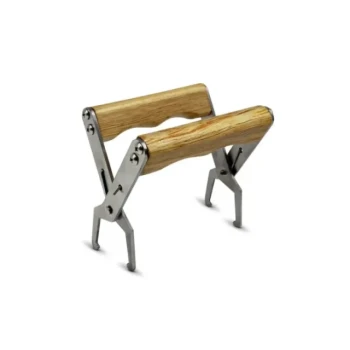
- Premium Frame Grip with Ergonomic Wood Handles
- Professional Bee Frame Machine for Side Bar Shaping
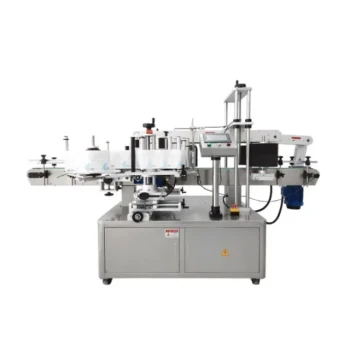
- Automatic Dual Sided In Line Labeling Machine
- Professional Frame Comb Fork and Lifter for Efficient Handling
People Also Ask
- How do bee hive handles facilitate the evaluation of food stores? Use the Lift Test for Winter Survival
- How do the geometry and dimensions of hive handles influence operational safety and control? Expert Design Insights
- What is a bee hive tool? Discover Why It’s the Most Essential Hand Tool for Every Beekeeper
- What are the common sizes and features of bee hive tools? Choose the Right Tools for Your Apiary
- What is the role of professional hive tools in routine apiary maintenance? Expert Tips for Hive Health and Longevity