Initial nectar moisture is the main driver of honey maturation time. Nectar with a higher starting water content requires more evaporation before it reaches stable finished-honey levels—typically around 17–18% moisture, or approximately 80% sugars. Hive ventilation equipment supports this natural process by improving airflow, but it cannot fully compensate for extremely wet nectar, large stored volumes, or unfavorable humidity.
Core takeaway: High-moisture nectar matures more slowly and carries greater fermentation risk. Well-designed hive bodies, screened floors, regulated entrances, and appropriate airflow equipment help bees remove water efficiently, while moisture measurement and post-harvest controls confirm that honey is ready for extraction and storage.
How Initial Nectar Moisture Controls Maturation
Higher moisture means longer curing
Worker bees deposit nectar into storage cells and fan their wings to evaporate excess water. The more water the nectar contains initially, the longer this dehydration stage takes.
Combs filled with particularly high-moisture nectar may require up to 36 days to mature, even when bees are actively ventilating the hive. Nectar volume also matters: a large quantity of wet nectar creates a greater evaporation load for the colony.
Maturation ends at a stable moisture level
Bees generally reduce nectar moisture to approximately 18% before sealing the cells with wax. Commercial operations commonly treat approximately 17–18% moisture as the target range for stable honey, although applicable market and regulatory limits should always be verified.
This process is more than simple water removal. Bees also add enzymes, and the hive provides a controlled environment in which nectar is transformed into mature honey.
Humidity can reverse the advantage
Nectar and honey are hygroscopic, meaning they exchange moisture with surrounding air. In humid conditions, evaporation slows and exposed honey can absorb water; in drier conditions, water removal is more efficient.
This makes local climate, hive placement, colony strength, and harvest timing important alongside the nectar’s original moisture content.
How Hive Ventilation Equipment Supports the Process
Ventilation increases evaporation efficiency
Bees fan their wings to move air across nectar-filled cells. Properly designed hive equipment helps this airflow circulate through the hive rather than allowing humid air to remain trapped around the combs.
Useful features can include:
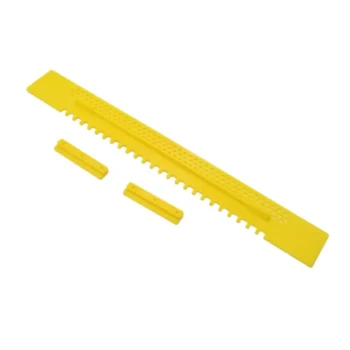
- Adequate hive entrances
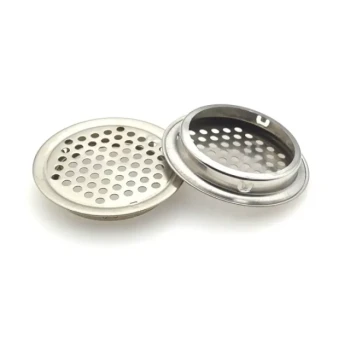
- Screened bottom boards
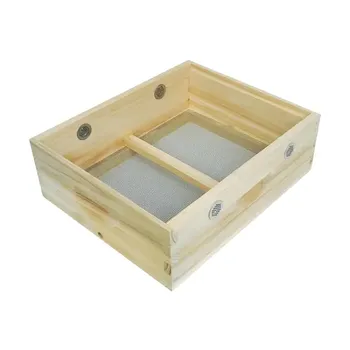
- Properly designed hive bodies
- Regulated upper and lower ventilation
- Moisture-control accessories where appropriate
These components do not mature the honey independently. Their role is to create conditions in which the bees can remove excess water more effectively.
Equipment helps manage colony conditions
Ventilation also helps reduce heat and humidity accumulation during heavy nectar flows. A more stable hive environment can reduce thermal stress while supporting the bees’ natural fanning behavior.
However, airflow must be controlled. The objective is not maximum ventilation, but effective ventilation without excessive exposure to drafts or weather.
Design affects commercial consistency
For commercial apiaries, standardized hive bodies and ventilation hardware can make colony management more predictable across many hives. Consistent equipment also supports faster inspection, maintenance, and replacement.
For distributors and B2B resellers, a useful product portfolio should therefore include complementary hive components rather than treating ventilation hardware as an isolated item.
How Maturation Affects Harvesting and Processing
Harvest timing is critical
Harvesting before the bees have capped the honey can result in a product with excessive moisture. Uncapped or partially cured honey should be checked rather than judged by appearance alone.
A precision refractometer provides a more reliable basis for deciding whether honey is ready for extraction.
Excess moisture increases fermentation risk
Honey with elevated water content is more vulnerable to yeast activity, fermentation, and storage instability. This can lead to off-flavors, gas formation, spoilage, and reduced commercial value.
Moisture control therefore protects not only product quality but also downstream filling, packaging, and customer acceptance.
Processing equipment provides a second control point
If extracted honey remains above the required moisture limit, commercial producers may use vacuum dehumidifiers, honey evaporators, or other moisture-reduction systems. These systems help standardize water content before conveying honey to filling and capping equipment.
Post-harvest equipment is a corrective and consistency tool; it should not replace sound hive management and appropriate harvest timing.
Understanding the Trade-offs
More ventilation is not always better
Over-ventilating a hive can expose the colony to drafts, weather, or unnecessary heat loss. Poorly configured airflow may disrupt the hive microclimate instead of improving maturation.
Ventilation should be adjustable or appropriately matched to the hive design, climate, colony strength, and seasonal conditions.
Equipment cannot overcome very wet nectar alone
If nectar enters the hive with exceptionally high moisture, bees still need time and favorable conditions to cure it. Ventilation hardware can improve the rate of evaporation, but it cannot eliminate the effect of starting moisture content or large nectar volumes.
Operational planning should account for expected curing time before scheduling extraction.
Post-harvest drying requires care
Moisture-reduction equipment can improve stability, but excessive heating or aggressive processing may affect honey quality. Processing systems should be selected and operated according to the producer’s quality requirements and applicable standards.
Ventilation does not replace measurement
Capped honey is not an absolute guarantee of uniform moisture throughout a batch. Measuring representative samples with a calibrated refractometer remains essential for commercial quality control.
Making the Right Choice for Your Goal
Select ventilation and moisture-control solutions as part of an integrated hive-to-processing workflow.
- If your primary focus is faster nectar maturation: Use properly designed hive bodies, screened bottom boards, and regulated entrances to support efficient airflow without over-ventilating the colony.
- If your primary focus is preventing fermentation: Monitor honey with a precision refractometer and avoid extracting nectar before it has reached the required moisture level.
- If your primary focus is commercial consistency: Combine standardized hive ventilation equipment with moisture-reduction and controlled-storage systems before filling and packaging.
- If your primary focus is sourcing efficiency: Work with a supplier that can provide compatible hive hardware, moisture-measurement tools, processing equipment, responsive technical support, and reliable fulfillment from one portfolio.
Effective ventilation gives bees better conditions for maturation, but moisture measurement and disciplined harvest management ultimately determine honey stability.
Summary Table:
| Factor | Impact on Honey Maturation | Recommended Equipment/Strategy |
|---|---|---|
| Initial Nectar Moisture | High moisture lengthens curing time; low moisture speeds it up. | Monitor nectar moisture; adjust harvest timing. |
| Ventilation Equipment | Supports bees' fanning to accelerate evaporation; poor ventilation slows curing. | Use screened bottom boards, proper entrances, and regulated hive airflow. |
| Humidity | High humidity slows evaporation; low humidity speeds it up. | Choose hive placement wisely; implement moisture control. |
| Harvest Timing | Early harvest risks high moisture and fermentation. | Use a refractometer to confirm readiness. |
| Post-Harvest Equipment | Corrects remaining moisture inconsistencies. | Utilize vacuum dehumidifiers or honey evaporators. |
Ready to enhance your honey production? Partner with HONESTBEE for a complete range of hive ventilation systems, moisture measurement tools, and processing equipment. Our wholesale solutions offer fast delivery, OEM/ODM support, and expert guidance to ensure your honey matures perfectly every time. For distributors and commercial apiaries, we provide competitive margins and reliable supply. Contact us today to optimize your beekeeping operations!
Related Products
- Stainless Steel Round Beehive Air Vents for Ventilation
- Steel Round Disc Entrance Reducer for Flexzion Bee Hive Nuc Box Gate
- Professional Reversible Beehive Hive Entrance
- Professional Beekeeping Quilt Box with Multi Vent Moisture Control
- Ergonomic Two Person Foldable Hive Lifter
People Also Ask
- How does ventilation affect colony health, and how should it be managed seasonally? A Guide to Preventing Moisture & Overheating
- Why is proper ventilation important in a beehive? Prevent Mold, Regulate Temperature, and Boost Colony Health
- How can a beekeeper provide proper ventilation for a beehive throughout the year? Seasonal Strategies for Bee Health
- Why is good ventilation crucial when transporting beehives? Protect Your Colony from Lethal Overheating
- How can ventilation be added to a beehive without using an inner cover? Simple, Effective Solutions for Healthy Hives