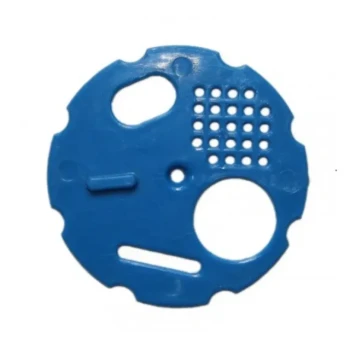
Managing the hive entrance and entrance reducer assists in swarm prevention primarily by increasing airflow and reducing the perception of congestion. During warm weather or peak nectar flow, widening the opening or removing the reducer entirely improves ventilation and accommodates high forager traffic, which mitigates the colony's impulse to swarm due to heat stress or overcrowding.
Core Takeaway Swarming is frequently triggered by a colony's perception that their current home is congested or overheating. By opening the hive entrance, you directly alleviate these stressors, signaling to the bees that the hive remains spacious, ventilated, and capable of supporting their population growth.
The Mechanics of Entrance Management
Alleviating Heat Stress
Bees maintain a delicate internal climate. As summer temperatures rise, a restricted entrance creates a bottleneck for hot air escaping the hive.
By adjusting the reducer to a larger setting or removing it, you maximize ventilation. This allows the colony to cool the hive more efficiently, reducing the heat stress that often encourages a colony to seek a new location.
Accommodating Forager Traffic
During peak nectar flow, the population of active foragers explodes. A small entrance creates a physical "traffic jam" of bees trying to enter and exit.
This congestion at the doorstep can trick the colony into sensing that the hive is overcrowded, even if there is internal space available. Opening the entrance ensures smooth movement, reducing the perception of overcrowding.
Practical Implementation
When to Adjust the Reducer
You should not leave the entrance wide open year-round. The critical time for swarm prevention is during warm weather or peak nectar flow.
At these times, shift the entrance reducer to its widest setting. If the colony is particularly strong and the weather is hot, remove the reducer entirely to offer maximum airflow.
Using Alternative Materials
An effective alternative to a standard wooden reducer is using dried grass.
You can stuff about two-thirds of the entrance with grass, leaving a two-inch gap. This allows the bees to manipulate the airflow themselves; they can move the grass or propolize it to suit their specific ventilation needs.
Understanding the Limitations
Entrance Management is Not a Cure-All
While managing the entrance is vital, it addresses access and airflow, not physical storage volume.
Opening the entrance will not prevent swarming if the interior of the hive is physically full. You must pair entrance management with internal space management, such as adding honey supers or reversing brood chambers to provide room for expansion.
Risk of Robbing vs. Ventilation
The trade-off of a fully open entrance is a reduction in defensibility.
While an open entrance prevents swarming in strong colonies, it can leave a weak colony vulnerable to robbing by other bees or pests. You must assess the colony's strength before removing the reducer entirely.
Making the Right Choice for Your Goal
To effectively manage your hive entrance, assess the current season and colony behavior:
- If your primary focus is reducing heat stress: Remove the entrance reducer entirely during the hottest weeks of summer to maximize cross-ventilation.
- If your primary focus is accommodating nectar flow: Use the widest opening on the reducer (or remove it) to prevent traffic congestion among foragers bringing in resources.
- If your primary focus is empowering bee autonomy: Use dried grass to reduce the entrance, allowing the bees to customize their own airflow and defensive barriers.
Successful swarm prevention relies on ensuring the bees never feel the hive is too hot or too full to sustain them.
Summary Table:
| Management Action | Primary Benefit | Best Time to Implement |
|---|---|---|
| Widening Reducer | Reduces forager traffic congestion | Peak nectar flow / Spring |
| Removing Reducer | Maximizes ventilation and cooling | High summer heat |
| Using Dried Grass | Allows bees to customize airflow | Early season / Variable weather |
| Adding Supers | Provides physical storage volume | When brood chambers are 70% full |
Scale Your Apiary Operations with HONESTBEE
Effective hive management requires the right tools to prevent swarming and ensure colony productivity. HONESTBEE is dedicated to supporting commercial apiaries and distributors with a comprehensive range of professional-grade equipment. From precision-engineered hive-making and honey-filling machines to a full spectrum of wholesale beekeeping tools and essential consumables, we provide everything you need to manage your colonies at scale.
Our portfolio also includes honey-themed cultural merchandise to help you diversify your brand. Partner with a supplier that understands the complexities of large-scale beekeeping. Contact HONESTBEE today to discuss your wholesale needs and see how our expertise can drive your business forward.
Related Products
- Steel Round Disc Entrance Reducer for Flexzion Bee Hive Nuc Box Gate
- Beehive Entrance Reducer Guardian Metal Hive Entrance for Bees
- Professional Hive Front Entrance Bee Feeder
- Multi-Functional Rotary Hive Entrance Disc for Beekeeping
- HONESTBEE Entrance Bee Feeder Efficient Hive Front Liquid Feeding Solution for Beekeeping
People Also Ask
- What is the purpose of an entrance reducer for a beehive? Strengthen Colony Defense and Prevent Robbery
- Why are entrance reducers used to counter hornet infestations? Protect Your Hive with Strategic Choke Points
- Why is it critical to maintain a smaller entrance for a newly established bee hive? Boost Colony Growth and Security
- What is the function of an entrance reducer on a beehive? Strengthen Colony Defense and Climate Control
- Under what conditions should a beekeeper adjust the size of a beehive entrance? Seasonal & Defense Management Tips