Professional filtration equipment ensures honey quality stability by employing multi-stage precision mesh systems to physically remove mechanical impurities—such as beeswax debris and pollen clumps—without stripping the honey of its natural nutritional components. This process directly enhances visual clarity and significantly extends the product's liquid shelf life by eliminating the microscopic particles that typically act as seeds for crystallization.
The core function of professional filtration is to transform a variable agricultural harvest into a consistent commercial product. By balancing thorough purification with the preservation of bioactive compounds, these systems provide the standardization and hygiene necessary for global distribution while maintaining consumer trust.
Precision Impurity Removal
Multi-Stage Mesh Technology
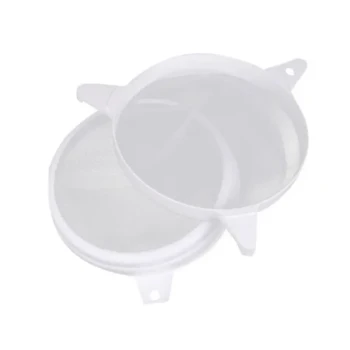
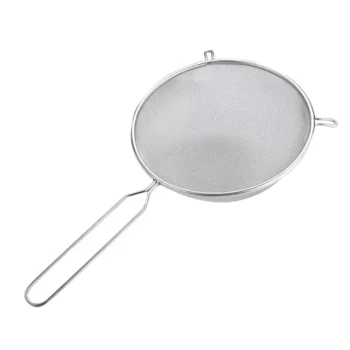
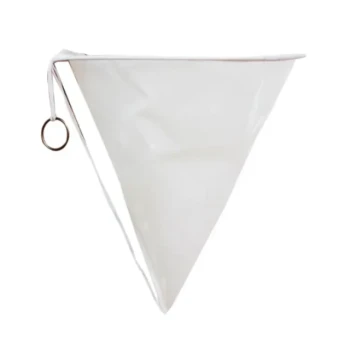
The primary mechanism for ensuring quality is the use of distinct, multi-stage precision mesh screens. Rather than a single pass, the honey moves through progressively finer filters.
This tiered approach effectively separates macroscopic debris, such as beeswax fragments and physical contaminants, from the liquid honey.
Retaining Nutritional Value
While the goal is purification, professional equipment is engineered to be selective. It targets "mechanical impurities" and "pollen clumps" rather than stripping the honey entirely.
This selectivity ensures that while the product becomes cleaner, it retains the bioactive components and natural aroma that define its flavor profile and nutritional value.
Enhancing Product Stability
Delaying Crystallization
Crystallization is the primary stability challenge in honey distribution. Professional filtration extends shelf life by removing suspended particles that serve as "nucleation sites."
By eliminating these microscopic triggers, the honey maintains its liquid state and visual appeal for a much longer period, reducing product returns and waste.
Hygienic Standardization
Modern filtration units often operate within enclosed, automated environments. This isolation acts as a hygienic barrier, preventing secondary contamination from dust, pests, or manual handling.
This level of containment ensures that the final packaged product meets strict physical and chemical safety indicators required for international export.
Optimizing Sensory Qualities
Visual Clarity and Appeal
Consumer trust is often driven by visual inspection. Filtration improves the transparency and fluidity of the honey, making it visually consistent.
This process removes the cloudiness associated with raw extraction, resulting in a product that looks pure and premium on the shelf.
Degassing and Texture
Although primarily focused on solids, professional filtration systems often work in tandem with temperature-controlled degassing units.
This combination removes air bubbles trapped during extraction, ensuring a smooth texture and preventing the formation of surface foam that can be mistaken for spoilage.
Understanding the Trade-offs
The "Ultra-Filtration" Risk
There is a critical balance between clarity and authenticity. Aggressive fine filtration can remove microscopic pollen grains entirely.
While this maximizes clarity and delays crystallization almost indefinitely, it strips the honey of its botanical "fingerprint," potentially lowering its value in markets that demand "raw" or origin-specific honey.
Thermal Management
Filtration requires the honey to flow efficiently, which often necessitates heating. Professional equipment must manage this thermal treatment precisely.
If the temperature is not strictly controlled, the heat used to facilitate filtration can degrade enzymes and increase Hydroxymethylfurfural (HMF) levels, compromising the honey's biological quality.
Making the Right Choice for Your Goals
To select the appropriate filtration strategy, you must define your end-product goals:
- If your primary focus is Mass Market Export: Prioritize fine filtration and degassing to ensure maximum clarity, zero crystallization, and standardized shelf stability.
- If your primary focus is Artisanal or Raw Honey: Utilize coarser, multi-stage mesh that removes visible wax and debris but retains microscopic pollen to preserve the "raw" classification.
- If your primary focus is Food Safety Compliance: Invest in enclosed, automated filtration systems that minimize human contact and strictly control moisture content to prevent fermentation.
Ultimately, professional filtration is not just about cleaning honey; it is a critical control point that defines the product's shelf life, marketability, and commercial value.
Summary Table:
| Feature | Function | Impact on Honey Quality |
|---|---|---|
| Multi-Stage Mesh | Removes beeswax and macroscopic debris | Enhances visual clarity and purity |
| Particle Removal | Eliminates nucleation sites | Delays crystallization and extends shelf life |
| Selective Filtration | Retains bioactive compounds and pollen | Preserves nutritional value and flavor profile |
| Enclosed Systems | Prevents secondary contamination | Ensures hygienic standardization and safety |
| Degassing Integration | Removes trapped air bubbles | Improves texture and prevents surface foam |
Optimize Your Honey Production with HONESTBEE
At HONESTBEE, we specialize in empowering commercial apiaries and distributors with the industry's most reliable post-processing solutions. Whether you are aiming for mass-market export or artisanal purity, our comprehensive range of beekeeping tools, honey-filling machines, and professional filtration systems ensure your product meets the highest global standards.
Our value to you:
- Scalability: From specialized hardware to complete production lines.
- Quality Control: Equipment designed to balance clarity with nutritional integrity.
- Wholesale Expertise: A one-stop shop for machinery and essential industry consumables.
Ready to enhance your honey's marketability and shelf stability? Contact us today to explore our wholesale offerings!
References
- Shazia Hashmat, Ali Reza Behzad. The Impact of Beekeeping on Small Holder Farmers’ Household Income in Kandahar, Afghanistan. DOI: 10.62810/jnsr.v3i2.231
This article is also based on technical information from HonestBee Knowledge Base .
Related Products
- Professional Stainless Steel Honey Filtering Machine with Water Bath Heating for Beekeeping
- Two-Stage Plastic Honey Filter for Buckets
- Electric Double Wall Honey Filtering Machine Purifier Equipment for Honey Processing Plant
- Honey Concentrating and Filtering Dehumidifier Machine 2T Capacity for Honey
- 0.5T Capacity Honey Dehumidifier Dryer with Vacuum Heating and Thickening Filtering Machine
People Also Ask
- Why do people filter honey? For Clarity, Stability, and Consumer Appeal
- Is it necessary to filter honey after extraction? A Guide to Straining vs. Raw Honey
- What is the best way to filter honey? A Guide to Quality, Clarity, and Raw Preservation
- Why is filtering honey an important step in honey processing? Ensure Purity, Clarity & Marketability
- What are the benefits of using honey filters? Achieve Purity, Efficiency, and Market Appeal