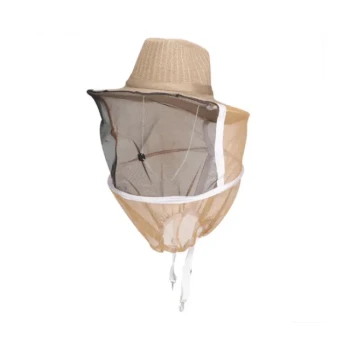
Standardized protective equipment serves as the operational backbone of commercial apiaries by converting high-risk biological interactions into controlled, repeatable industrial processes. By effectively mitigating the risk of stings, this equipment enables technicians to execute critical tasks—such as detailed colony assessments, pest control, and night harvesting—with the consistency required for large-scale management.
The strategic value of protective gear extends beyond simple safety; it is a prerequisite for operational continuity. It allows apiaries to maintain aggressive, high-yield bee species and perform the rigorous, high-frequency inspections necessary to secure colony health and maximum productivity.
Enabling Precision Management
Facilitating Deep Colony Assessments
In a commercial setting, surface-level observations are insufficient. Standardized protective gear gives operators the confidence to fully dismantle hives and inspect frames deep within the colony.
This access allows for the early detection of issues that might otherwise be missed. Technicians can identify queen performance, brood health, and resource stores without the distraction or fear of defensive behavior.
Managing Aggressive but Productive Breeds
Commercial operations often prioritize bee genetics that maximize honey production, but these traits can sometimes correlate with higher aggression.
Appropriate protective equipment removes the physical barrier to working with these spirited species. It ensures that the temperament of the colony does not dictate the quality of care it receives.
Securing Night Operations
Certain logistical tasks, such as harvesting or relocating hives, are often best performed at night to minimize stress on the bees.
Protective equipment is vital for these night harvesting operations. It allows crews to work efficiently in low-light conditions where bees may be more prone to crawling or stinging, ensuring 24-hour operational capability.
Operational Continuity and Efficiency
Ensuring Consistency in Pest Control
Effective disease management requires adherence to strict schedules. Fear of getting stung can lead to skipped treatments or rushed applications.
By guaranteeing safety, protective tools ensure that pest control measures are applied thoroughly and on time. This consistency reduces mortality rates caused by management oversights or hesitation.
Supporting High-Frequency Workflows
Large-scale apiaries rely on volume and speed. The combination of protective suits and bee smokers creates a standardized protocol for entering hives.
This standardization enables "assembly line" efficiency. Beekeepers can move rapidly from hive to hive, conducting in-depth inspections without the delays associated with managing localized stinging incidents.
Understanding the Trade-offs
The Risk of Reduced Dexterity
While protection is essential, heavy gear can compromise tactile sensitivity.
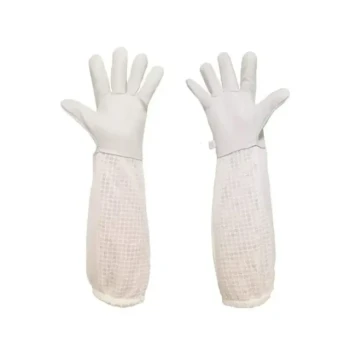
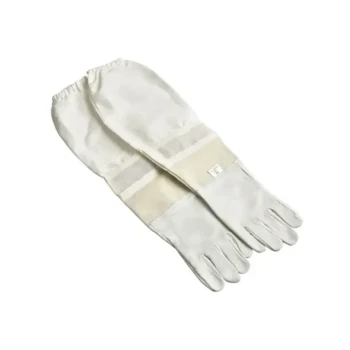
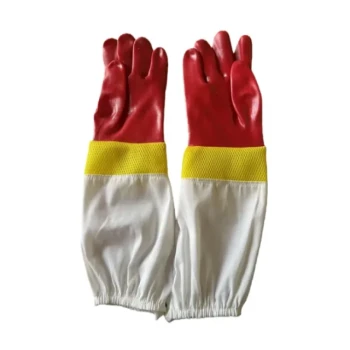
Thick gloves may make delicate tasks, such as handling queens or grafting larvae, more difficult. Operators must balance the level of protection with the dexterity required for specific, fine-motor tasks to avoid accidentally crushing bees or damaging queens.
Equipment is Not a Substitute for Technique
Protective gear provides a physical barrier, but it does not replace the need for behavioral management tools.
As noted in industrial protocols, the bee smoker remains a core tool alongside the suit. Relying solely on armor without using smoke to mask alarm pheromones can lead to excessive colony stress, even if the beekeeper remains unstung.
Making the Right Choice for Your Goal
To maximize the effectiveness of your apiary operations, align your equipment usage with your specific management objectives:
- If your primary focus is maximizing honey yield: Prioritize equipment that enables high-frequency inspections, allowing you to continuously monitor hive space and add supers exactly when needed during flow periods.
- If your primary focus is workforce scalability: Invest in standardized, industrial-grade suits that allow less experienced technicians to work confidently with aggressive species, ensuring consistent care across all colonies.
Standardized protective equipment is not merely a safety precaution; it is the essential hardware that transforms beekeeping from a craft into a scalable industry.
Summary Table:
| Operational Area | Impact of Standardized Equipment | Key Benefit |
|---|---|---|
| Colony Assessment | Enables deep, frame-by-frame inspections | Early detection of queen & brood health issues |
| Genetic Management | Safe handling of high-yield, aggressive species | Maximized honey production potential |
| Pest Control | Guarantees consistency in treatment application | Reduced colony mortality rates |
| Night Operations | Secures low-light harvesting and relocation | 24-hour operational capability |
| Workflow Speed | Standardized protocols for hive entry | "Assembly line" efficiency for large scales |
Scale Your Apiary Operations with HONESTBEE
At HONESTBEE, we understand that for commercial apiaries and distributors, high-quality equipment is the foundation of a profitable business. We provide a comprehensive wholesale range of specialized beekeeping tools, hive-making machinery, and honey-filling systems designed to withstand the rigors of industrial-scale beekeeping.
Whether you are looking to equip a large workforce with durable protective gear or seeking advanced honey-themed cultural merchandise and industry consumables, we deliver the reliability your business demands. Contact HONESTBEE today to discuss your wholesale needs and let us help you transform your beekeeping craft into a high-performance industry.
References
- Salimata Ouattara, Kouami Kokou. State of Knowledge on Beekeeping Practices in Côte d'Ivoire in the Face of Challenges and Opportunities in the Context of Climate Change. DOI: 10.19044/esj.2023.v19n30p46
This article is also based on technical information from HonestBee Knowledge Base .
Related Products
- Premium Cowboy Beekeeper Hat with Visibility Veil Outdoor Professional Beekeeping Protective Gear
- Beekeeping Gloves Goatskin Leather with Long Cotton Sleeve for Beekeepers
- White Cotton Beekeeping Jacket and Veil for Bee Keepers
- Premium Cotton Beekeeper Suit with Reinforced Fencing Veil
- Economy Polyester Beekeeping Jacket with Veil and Hat
People Also Ask
- What design features contribute to the stability and fit of the beekeeper hat? Key Features for Maximum Hive Safety
- How is the beekeeper hat designed for comfort and practicality? Explore Key Features for Enhanced Apiary Safety
- What is the general protective gear recommendation for new beekeepers? Your Essential Beginner's Safety Guide
- How does beekeeping protective gear facilitate the queen bee selection process? Enhancing Precision in Queen Breeding
- What should beekeepers consider when choosing protective gear? A Guide for Maximum Safety & Comfort