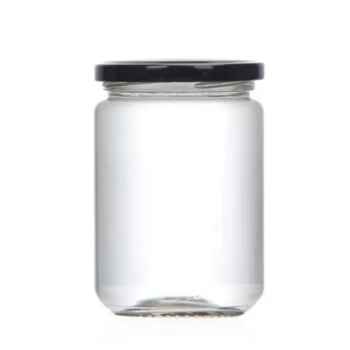
The choice of industrial-grade sampling bottles directly dictates the reliability of your laboratory data by acting as a hermetic barrier against environmental fluctuations. Using high-quality glass or specific plastics with superior sealing performance prevents the honey from interacting with the external atmosphere, specifically blocking moisture absorption or dehydration during room temperature storage.
By effectively isolating the sample, the correct storage vessel locks in the honey's initial physical and chemical state. This prevention of moisture-induced changes—such as dilution or crystallization—is the single most important factor in ensuring the repeatability of your experimental results.
The Critical Role of Moisture Control
Preventing Environmental Exchange
Honey is hygroscopic, meaning it naturally interacts with moisture in the air. Industrial-grade bottles are engineered to create a high-performance seal that stops this interaction completely. This barrier ensures that the humidity of the storage environment does not influence the water content of the sample.
Avoiding Absorption and Dehydration
If the seal fails, the sample will either absorb water from humid air or lose water to dry air. Moisture absorption dilutes the sample, altering the concentration of key components. Conversely, dehydration artificially concentrates the sample, skewing quantitative analysis.
Locking in Physicochemical Properties
Stabilizing Nutritional Density
To analyze the honey's true composition, the ratio of nutritional components to water must remain constant from the moment of collection. Proper storage prevents the dilution of nutritional components, ensuring that the markers you measure in the lab accurately reflect the original harvest.
Controlling Sugar Crystallization
Fluctuations in moisture content are a primary trigger for phase changes in honey. By maintaining a stable internal environment, industrial sampling bottles prevent sugar crystallization caused by water instability. This keeps the sample in a homogeneous liquid state, which is essential for consistent aliquoting and testing.
Common Pitfalls to Avoid
The Illusion of "Good Enough" Sealing
Standard consumer-grade containers often lack the vapor barrier properties required for analytical chemistry. Using inferior bottles introduces a variable into your experiment: data drift. Over time, even microscopic gas exchange can alter the sample enough to ruin the reproducibility of a study.
Material Compatibility
While sealing is paramount, the material itself matters. As noted in standard protocols, one must use glass or specific non-reactive plastics. Using the wrong type of plastic can lead to leaching or insufficient protection against moisture, undermining the "lock" you are trying to achieve.
Making the Right Choice for Your Goal
To ensure your laboratory data stands up to scrutiny, align your storage choice with your analytical needs:
- If your primary focus is Data Repeatability: Prioritize bottles with certified airtight seals to ensure the sample analyzed months later matches the exact chemical profile of the day it was collected.
- If your primary focus is Physical State Analysis: Select rigid glass containers to absolutely minimize moisture fluctuation, which is the leading cause of unwanted crystallization.
True standardization begins not at the bench, but in the bottle; protect your sample, and you protect your data.
Summary Table:
| Impact Factor | Industrial-Grade Bottle Benefit | Risk of Poor Choice |
|---|---|---|
| Moisture Control | High-performance hermetic seal prevents hygroscopic exchange | Dilution or dehydration skews quantitative data |
| Physical State | Maintains stable liquid phase and prevents crystallization | Phase changes lead to inconsistent aliquoting |
| Chemical Integrity | Locks in initial nutritional density and component ratios | Concentration drift ruins experimental repeatability |
| Material Safety | Non-reactive glass or specialized plastics prevent leaching | Contamination and vapor barrier failure |
Elevate Your Honey Quality Standards with HONESTBEE
At HONESTBEE, we understand that precision in the lab is as critical as efficiency in the field. As a premier partner for commercial apiaries and distributors, we provide more than just tools—we deliver reliability. From high-integrity sampling containers to advanced honey-filling machines and specialized beekeeping hardware, our comprehensive wholesale portfolio is designed to support every stage of your honey production and analysis.
Why choose HONESTBEE?
- Full-Spectrum Supply: Access everything from hive-making machinery to essential industry consumables.
- Built for Professionals: Our products are engineered to meet the rigorous demands of industrial-scale operations.
- Industry Expertise: We cater to the specific needs of honey cultural merchandise and large-scale distribution.
Protect your data and enhance your productivity today. Contact HONESTBEE to explore our wholesale solutions!
References
- Ghulam Mustafa, U. Ahmad. Variations in nutritional profile of honey produced by various species of genus Apis. DOI: 10.1590/1519-6984.246651
This article is also based on technical information from HonestBee Knowledge Base .
Related Products
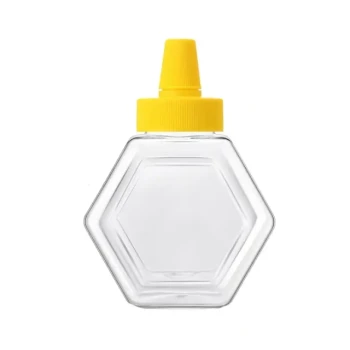
- Hexagonal Squeeze Honey Bottle with No Drip Lid
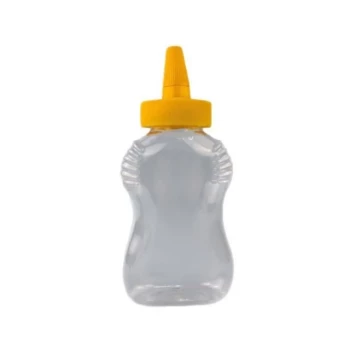
- Ergonomic Squeezable Honey Bottle with Precision Twist Nozzle Cap
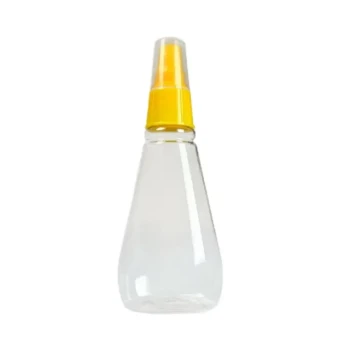
- Premium PET Squeeze Honey Bottle with Ergonomic Grip and Rotary Dispenser
- Manual Honey Filling Machine Bottling Machine for Honey
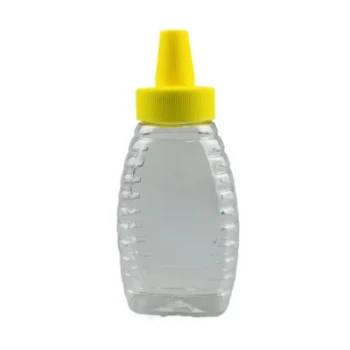
- Classic Beehive Honey Bottle Jar with Squeeze Dispenser Lid
People Also Ask
- What are the benefits of squeeze bottles for honey packaging? Unlock Mess-Free Convenience & Control
- How do honey bottles contribute to the preservation of honey products? Secure Quality and Commercial Value
- What are the features of honey bottles? Design for Convenience & Long-Term Preservation
- How should honey bottles be prepared before pouring honey into them? The #1 Rule for Honey Longevity
- What are the features and benefits of using honey bottles for packaging? Optimize Preservation and Consumer Experience