The material of a beekeeping glove acts as the primary variable in determining the critical trade-off between impenetrable defense and essential tactile feedback. While heavy materials like cowhide offer maximum sting resistance, lighter options like goatskin or nitrile prioritize the dexterity needed to handle delicate hive components. Your choice of material directly dictates your ability to manipulate tools effectively while maintaining a comfort level with the bees.
Effectiveness in beekeeping gear is a sliding scale between safety and sensitivity. The optimal glove material protects you enough to reduce fear while allowing enough precision to prevent accidental harm to the colony, which is often what triggers defensive behavior.
The Protection vs. Precision Spectrum
The "effectiveness" of a glove is not defined solely by how thick it is. It is defined by how well it allows you to perform necessary tasks without injury or agitation to the hive.
Heavy-Duty Protection (Cowhide)
Gloves made from cowhide represent the high end of the protection spectrum. These are generally the thickest options available.
They provide superior resistance against stings, making them effective for high-anxiety situations or particularly aggressive hives.
However, this protection comes at a cost: they are bulky and significantly reduce tactile sensation, making fine manipulation difficult.
The Balanced Standard (Goatskin)
Goatskin is widely regarded as the standard recommendation for beginning beekeepers.
These gloves offer a functional middle ground, providing greater flexibility and softness compared to cowhide.
While they are thinner than cowhide—and therefore offer slightly less armor—they provide enough protection for general use while improving your ability to handle frames.
Maximum Dexterity (Nitrile)
Nitrile exam gloves act as a modern alternative focused entirely on precision.
They offer the highest level of dexterity, providing a snug fit that allows for precise movements and excellent tactile feedback.
While they lack the heavy padding of leather, they offer "reasonable" protection; the material is slick, making it difficult for a stinger to penetrate, though the impact of the sting may still be felt.
Structural Material and Design
Beyond the hand area, the construction of the glove's sleeve plays a vital role in overall effectiveness.
The Gauntlet Design
Beekeeping gloves are typically composite items, combining a leather or plastic hand with a long canvas or cotton sleeve.
This sleeve extends up the forearm to the elbow, ensuring that the gap between your hand and your suit is fully bridged.
Proper Integration
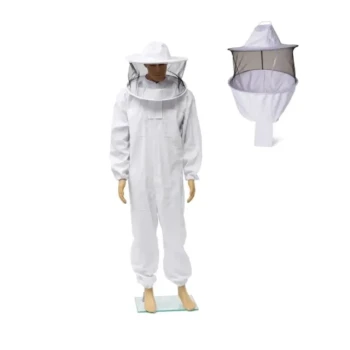
The effectiveness of the material relies on how it integrates with your full bee suit.
Standard protocol dictates putting the gloves on first, then layering the sleeves of your bee jacket over the glove gauntlets. This creates a shingle effect that prevents bees from crawling inside your clothing.
Understanding the Trade-offs
Choosing the "safest" material is not always the most effective strategy for colony management. You must weigh the risk of a sting against the risk of clumsiness.
The Risk of Bulk
Thick leather gloves can create a false sense of security that leads to poor technique.
The lack of tactile feedback makes it easy to accidentally crush bees while moving frames or replacing covers.
The Agitation Loop
Crushing bees releases alarm pheromones, which alert the rest of the colony to a threat and trigger defensive aggression.
Therefore, a glove that is too bulky can ironically lead to more stings, as your clumsiness agitates the bees more than precise movements would.
Making the Right Choice for Your Goal
Select your gear based on your experience level and the specific task at hand.
- If your primary focus is maximum sting prevention: Choose cowhide leather, accepting that your movements will be slower and less precise.
- If your primary focus is learning the craft: Choose goatskin with canvas sleeves, as this offers the best balance for beginners to build confidence without sacrificing utility.
- If your primary focus is precise hive management: Choose nitrile gloves, which allow you to work efficiently and minimize crushed bees, thereby keeping the colony calmer.
The most effective glove is one that gives you the confidence to work calmly and the sensitivity to work gently.
Summary Table:
| Material | Protection Level | Dexterity / Tactile Feedback | Best Use Case |
|---|---|---|---|
| Cowhide | High (Thick) | Low (Bulky) | Aggressive hives or high-anxiety situations |
| Goatskin | Moderate | Moderate (Soft & Flexible) | Standard choice for beginners and general use |
| Nitrile | Low (Thin) | High (Precision) | Experienced keepers focused on fine hive tasks |
| Canvas/Cotton | Moderate (Sleeve) | N/A | Forearm protection and integration with bee suits |
Elevate Your Apiary with Professional-Grade Gear
At HONESTBEE, we understand that the right equipment is the foundation of a successful beekeeping operation. As a dedicated partner to commercial apiaries and distributors, we provide a comprehensive wholesale portfolio designed to meet every industry need. From high-quality protective gear and beekeeping tools to advanced hive-making and honey-filling machinery, we deliver the durability and precision required for large-scale success.
Whether you are looking to stock essential consumables or source specialized hardware and honey-themed cultural merchandise, our team is ready to support your business growth with competitive wholesale offerings.
Ready to scale your production? Contact us today to explore our full catalog!
Related Products
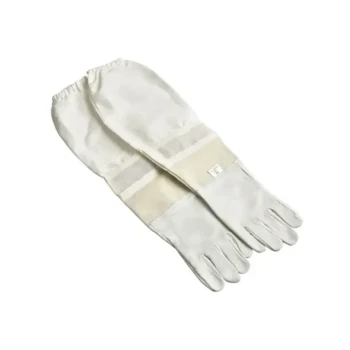
- Beekeeping Gloves Goatskin Leather with Long Cotton Sleeve for Beekeepers
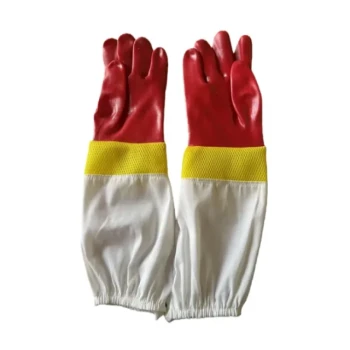
- Heavy Duty Red Rubber Beekeeping Gloves with Vented Mesh Cotton Sleeves
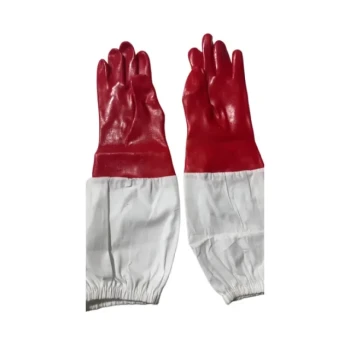
- Heavy Duty Red Rubber Beekeeping Gloves with Extended Pure Cotton Sleeves for Beekeepers
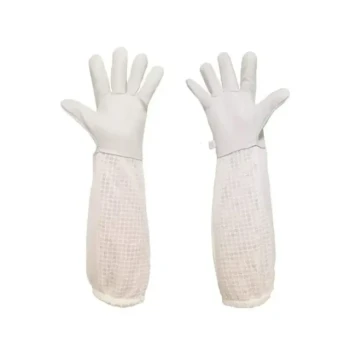
- Goatskin Leather Beekeeper Gloves with Vent Long Sleeve for Beekeeping Honey Bee Sting Proof Protection
- Premium Ventilated Goatskin Beekeeping Gloves with Full 3-Layer Mesh Sleeve
People Also Ask
- What are the characteristics of the best gloves for beekeeping? Choose Protection & Dexterity
- What are the primary purposes of using beekeeping gloves? Protect Your Hands and Ensure Apiary Hygiene
- What types of gloves are available for beekeeping? Choose the Right Protection for Your Hive
- Why is it important for beekeepers to wear gloves? Essential Safety and Confidence for Hive Management
- Why do some experienced beekeepers opt not to wear gloves? Discover the Benefits of Tactile Precision