Honeybee thermoregulation should shape the hive, not be treated as a problem to override. Bees generate heat by clustering and vibrating their thoracic muscles in cold conditions, while they cool the nest through water evaporation and wing-fanning during hot conditions. Commercial hive design must therefore balance heat retention, airflow, humidity control, and operational access so colonies can regulate the brood nest efficiently.
The best commercial hive is a supportive thermal system: sufficiently insulated to reduce heat loss, sufficiently ventilated to control moisture and heat, and precisely manufactured so bees can regulate the interior without excessive energy expenditure.
How Honeybees Control Their Internal Climate
Heat generation in cold weather
When temperatures fall, worker bees form a compact cluster around the brood area. They generate heat through muscle activity and conserve it by reducing exposed surface area and limiting unnecessary air movement.
The colony consumes stored honey to fuel this process. A hive that loses heat rapidly forces bees to spend more energy on survival rather than brood rearing, foraging, and honey production.
Cooling through evaporation and airflow
During hot weather, bees collect and distribute water inside the hive. Other workers fan their wings to promote evaporation and establish cooling air currents.
This mechanism depends on controlled airflow. Ventilation must remove excess heat and moisture without creating drafts that strip heat from the brood nest during cooler periods.
Protecting the brood microclimate
The brood area is the most thermally sensitive part of the colony. Honeybees generally maintain brood temperatures in the approximate range of 33–35°C, although the exact value varies with brood stage, colony condition, and measurement location.
Relative humidity also needs to remain within a suitable range for brood development and comb stability. In practice, hive design should support the bees’ ability to adjust humidity rather than attempt to impose one fixed value under all weather conditions.
What This Means for Hive Design
Use insulation to reduce metabolic demand
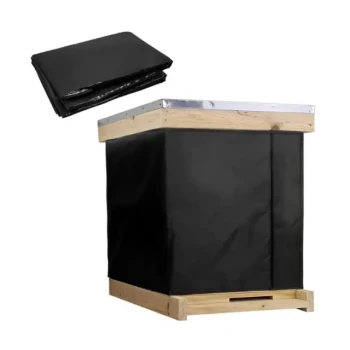
Hive walls, covers, floors, and joints should limit unnecessary thermal loss. Appropriate wall thickness and insulation help the colony retain heat in winter and reduce the rate at which the hive overheats under direct summer exposure.
The objective is not to make the hive completely sealed. It is to reduce the amount of work bees must perform to maintain a stable brood environment.
Provide controlled, adjustable ventilation
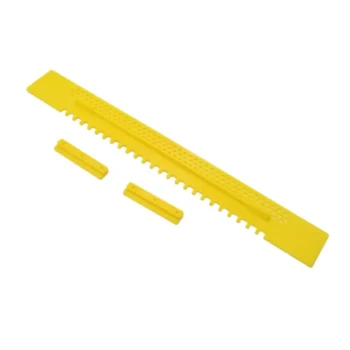
Ventilation should allow warm, humid air to leave the hive while preserving the colony’s ability to retain heat. Adjustable entrances, screened components, ventilation boards, and suitable cover designs give beekeepers more control across seasonal conditions.
Permanent, unrestricted ventilation can be as problematic as inadequate ventilation. Excessive airflow may create drafts, accelerate heat loss, and increase the colony’s honey consumption during cold weather.
Maintain correct internal volume and comb spacing
Hive chambers must provide enough internal space for the cluster, brood nest, food stores, and normal bee movement. Frames and combs should be held at consistent spacing so airflow remains predictable and inspections do not damage the colony’s thermal structure.
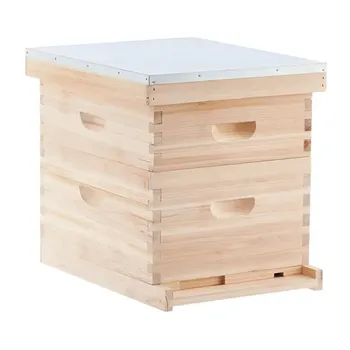
Dedicated honey supers are particularly important in commercial systems. They separate honey storage from the brood chamber, allowing harvesting while minimizing disruption to the temperature-sensitive lower nest.
Prioritize precision manufacturing
Poorly fitted boxes, warped covers, loose joints, and inconsistent frame rests create uncontrolled air leakage. They also make it harder for bees and beekeepers to manage the internal environment consistently.
For manufacturers, distributors, and commercial buyers, dimensional accuracy, tight joint fitting, durable materials, and repeatable component compatibility are not merely quality features. They directly affect colony energy use and apiary labor.
How Climate Control Strategy Should Change by Season
Cold-weather management
In cold conditions, the priority is to preserve the cluster’s heat while allowing sufficient moisture escape. Insulation, reduced uncontrolled drafts, and sound covers help prevent the colony from burning excessive honey simply to maintain brood temperature.
Ventilation should be managed rather than eliminated. Moisture accumulation can damage comb and hive components, so the system must balance heat retention with safe removal of humid air.
Hot-weather management
During heat, bees need access to airflow and water so they can cool the nest through evaporation. Apiary managers should ensure entrances and ventilation features are not unintentionally blocked by equipment, debris, or poor component fit.
Shade, hive orientation, and adequate space also influence the cooling burden placed on the colony. Climate-control strategy should therefore combine hive hardware with practical apiary placement.
Transitional weather
Spring and autumn create rapidly changing conditions. A hive that performs well in winter may restrict airflow too much in a sudden warm period, while a highly ventilated summer configuration may expose a smaller colony to unnecessary heat loss.
Adjustable components are valuable because they allow the equipment to follow colony strength and weather conditions rather than relying on one permanent configuration.
Designing Equipment Around Commercial Operations
Support the colony without obstructing inspections
Natural hive architecture can reduce heat loss. For example, top-bar arrangements such as those associated with Warre-style hives encourage comb attachment to the side walls and can create a relatively enclosed heat pocket.
However, commercial apiaries also require fast inspections, frame handling, disease management, and honey removal. Equipment must therefore balance biological efficiency with accessibility and compatibility with the operator’s workflow.
Account for propolis and component adhesion
Bees use propolis to seal cracks and smooth internal surfaces. This improves hive hygiene and helps reduce unwanted air movement, but it can glue together boxes, covers, frame rests, and other components.
Commercial equipment should use robust hive tools and accurately engineered interfaces that reduce excessive binding without preventing bees from sealing genuine gaps. Strong materials and appropriate tolerances are especially important where equipment is opened repeatedly at high volume.
Standardize components across the apiary
Consistent dimensions allow replacement parts, frames, supers, covers, and ventilation accessories to be used interchangeably. Standardization also reduces inspection time and simplifies inventory planning.
For distributors and B2B resellers, a full-spectrum product portfolio is more valuable than isolated hive components. Customers often need complete, compatible systems, including woodenware, frames, ventilation hardware, hive tools, and harvesting-related equipment.
Understanding the Trade-offs
More insulation is not always better
Heavy insulation can reduce winter heat loss, but it does not remove the need for moisture management or summer cooling. An overly insulated hive without appropriate ventilation may retain excessive heat and humidity.
The correct specification depends on climate, colony size, hive configuration, and seasonal management practices.
More ventilation is not always better
Increasing airflow may help remove heat and moisture during hot weather. In cold weather, however, uncontrolled airflow can chill the cluster and increase food consumption.
Ventilation should be adjustable and proportionate to conditions rather than maximized by default.
Natural design can conflict with commercial handling
A structure that minimizes convection or encourages bees to seal surfaces may support thermal stability. It may also make frames, boxes, or comb more difficult to separate during inspections and extraction.
Commercial design should therefore evaluate both colony performance and handling efficiency. A theoretically thermally efficient hive is not necessarily the best choice if it slows operations or increases comb damage.
Precision equipment cannot replace management
Well-made components reduce thermal losses and improve control, but they cannot compensate for poor hive placement, insufficient water access during heat, blocked entrances, weak colonies, or inappropriate seasonal adjustments.
Equipment is an enabling system. The beekeeper still has to configure and operate it according to weather and colony condition.
Making the Right Choice for Your Goal
Select equipment as an integrated climate-management system rather than as unrelated hive parts.
- If your primary focus is colony health: Prioritize appropriate insulation, adjustable ventilation, reliable moisture control, and designs that protect the brood nest from uncontrolled drafts.
- If your primary focus is honey yield: Choose equipment that reduces unnecessary heat-related honey consumption while preserving brood stability and allowing efficient use of honey supers.
- If your primary focus is commercial apiary efficiency: Standardize precisely manufactured, interchangeable components that support rapid inspections, easy frame separation, and reliable high-volume handling.
- If your primary focus is distribution or resale: Offer a complete, compatible product range with dependable specifications, rapid fulfillment, and technical support for different climates and operating models.
When hive design works with the colony’s natural thermoregulation, bees spend less energy fighting their environment and more energy building a productive, resilient colony.
Summary Table:
| Key Factor | Impact on Hive Design | Commercial Consideration |
|---|---|---|
| Heat Generation | Insulation reduces heat loss; cluster space | Minimizes honey consumption; supports brood rearing |
| Cooling | Ventilation removes heat and moisture | Prevents overheating; maintains humidity |
| Brood Microclimate | Stable temperature (33-35°C) and humidity | Requires precise insulation and ventilation control |
| Insulation | Thicker walls, tight joints | Reduces energy waste; improves winter survival |
| Ventilation | Adjustable, controlled airflow | Balances heat retention and moisture removal |
| Internal Volume | Adequate space for cluster and supers | Supports colony growth and honey storage |
| Precision Manufacturing | Accurate dimensions, tight fit | Ensures consistency and reduces uncontrolled leaks |
| Seasonal Strategy | Winter: retain heat; Summer: maximize airflow | Requires adjustable features for climate changes |
Maximize your apiary's efficiency and yield with the right hive equipment. HONESTBEE offers a complete range of beekeeping tools, machinery, and supplies to support your colonies' natural thermoregulation. As a one-stop source for commercial beekeepers and distributors, we provide high-quality, precisely manufactured hives, ventilation systems, and harvesting equipment. Benefit from our professional expertise, rapid response, and fast delivery. Contact us today to discuss your needs and see how we can help your business thrive. Contact us now!
Related Products
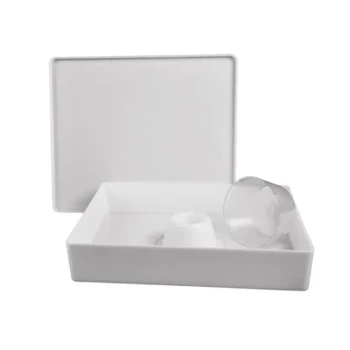
- HONESTBEE Professional Hive Top Bee Feeder Feeding Solution
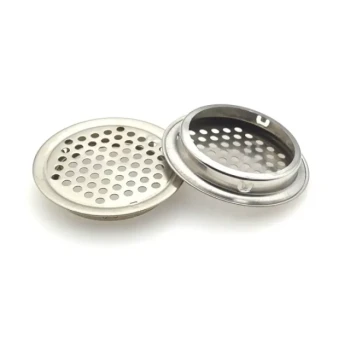
- Stainless Steel Round Beehive Air Vents for Ventilation
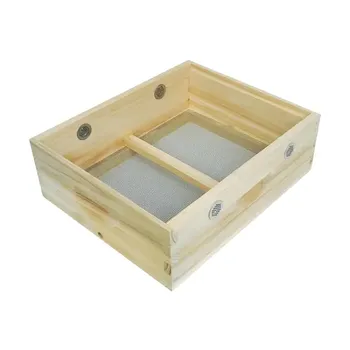
- Professional Beekeeping Quilt Box with Multi Vent Moisture Control
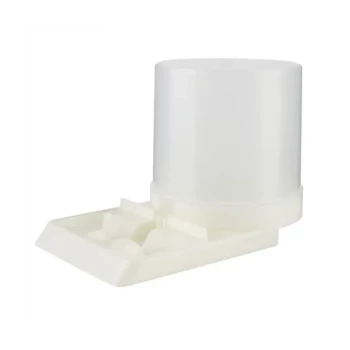
- HONESTBEE Entrance Bee Feeder Professional Hive Nutrition Solution for Beekeeping
- Steel Round Disc Entrance Reducer for Flexzion Bee Hive Nuc Box Gate
People Also Ask
- How does a bee hive top feeder work? A Guide to Efficient, Protected Feeding
- Do I need an inner cover with a hive top feeder? Optimize Your Hive Setup for Healthy Bees
- What is a hive top feeder? A Guide to Efficient, Low-Stress Beekeeping
- What is a hive top feeder, and how does it work? A Complete Guide to Efficient In-Hive Feeding
- What are the characteristics, advantages, and disadvantages of hive top feeders? Optimize Your High-Volume Feeding