Food-grade fine filtration equipment serves as the critical refinement step that transforms raw honey into a commercially viable product. By physically removing suspended solids—specifically pollen residue, wax flakes, and organic debris—this process eliminates natural turbidity to produce a liquid with high optical clarity. This directly results in a uniform visual appearance, unlocking the golden or deep translucent hues that define premium quality in the eyes of the mass market.
Core Takeaway Raw honey naturally contains impurities that obscure its true color; multi-stage fine filtration removes these suspended particles to ensure optimal clarity. This process is not merely aesthetic—it is a functional requirement to achieve the consistency and perceived value necessary for entry into formal retail channels.
The Mechanics of Visual Enhancement
Removing Particulate Matter
Raw honey is rarely clear immediately after extraction. It often contains a suspension of beeswax, forest debris, and even biological fragments like bee body parts or larvae.
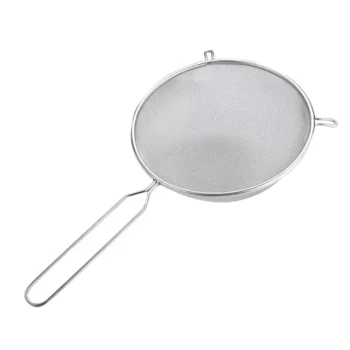
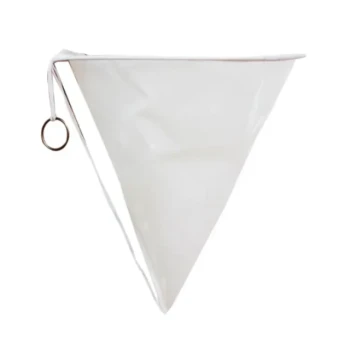
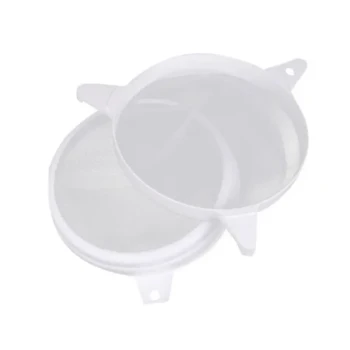
Fine filtration utilizes physical screening mechanisms to trap these solids. By passing the honey through fine-mesh screens and specialized filter fabrics, the equipment strips away the matter that causes cloudiness.
Achieving Optimal Clarity
The primary goal of this equipment is to reduce turbidity. When suspended particles like pollen residue and wax are removed, light passes through the honey more easily.
This reveals the honey's inherent color, whether it is a light golden tone or a deep amber shade. The result is a polished, translucent product that signals purity to the consumer.
The Impact on Marketability
Ensuring Color Uniformity
Consumers look for consistency on the shelf. Without filtration, different jars from the same harvest might look different depending on the density of suspended debris.
Filtration homogenizes the batch. It ensures that every unit presents a uniform visual appearance, which is critical for building brand trust and perceived product reliability.
Increasing Perceived Value
There is a direct correlation between clarity and price point in the general consumer market. Clear, gleaming honey is often perceived as higher quality than cloudy or opaque varieties.
By utilizing multi-stage filtration, producers significantly increase the product's market appeal. This visual standard is often the differentiating factor between a product sold at a farm stand and one sold at a premium price in a grocery store.
Understanding the Trade-offs
The Requirement for Retail Access
While some niche markets prefer raw, unfiltered honey, formal retail channels operate differently. Supermarkets and pharmacies generally require honey to meet strict national and international hygiene standards.
Filtration is often the specific mechanism used to meet these purity standards. Without this level of processing, a product may be rejected by major buyers regardless of its taste profile.
Balancing Processing with Natural Appeal
The trade-off involves moving the product away from its "raw" state to achieve stability and clarity.
Aggressive filtration ensures a beautiful shelf look, but it removes the physical evidence (wax and pollen) of the honey's origin. Producers must use this equipment to strike the balance between a clean look and maintaining the integrity of the food product.
Making the Right Choice for Your Goal
To determine how heavily you should rely on fine filtration, consider your end consumer.
- If your primary focus is Mass Market Retail: Prioritize multi-stage filtration to ensure maximum clarity and absolute uniformity, as this is a prerequisite for supermarket entry.
- If your primary focus is Premium Consumer Perception: Use fine filtration to remove visible wax and debris to create a polished, "high-value" aesthetic that commands a higher price point.
Ultimately, fine filtration is the bridge that connects raw agricultural extraction to polished commercial success.
Summary Table:
| Feature | Impact of Fine Filtration | Benefit to Producer |
|---|---|---|
| Physical Purity | Removes wax, pollen residue, and organic debris | Meets retail hygiene and purity standards |
| Optical Clarity | Eliminates turbidity and cloudiness | Creates a premium, translucent appearance |
| Color Profile | Reveals and homogenizes natural honey hues | Ensures batch-to-batch visual consistency |
| Market Appeal | Transforms raw honey into a polished product | Increases perceived value and consumer trust |
Elevate Your Honey Production with HONESTBEE Professional Solutions
Transition from raw extraction to commercial excellence with HONESTBEE. As a dedicated partner to commercial apiaries and global distributors, we provide the industrial-grade machinery you need to achieve world-class clarity and consistency. Our comprehensive wholesale catalog includes:
- Advanced Filtration & Processing: High-performance honey-filling and fine-filtration machines designed for peak purity.
- Apiary Infrastructure: A full spectrum of beekeeping tools, specialized hardware, and hive-making machinery.
- Consumables & Branding: Essential industry consumables and honey-themed cultural merchandise to enhance your brand presence.
Ready to scale your operation and secure premium retail placement? Contact our expert team today to discover how our wholesale equipment solutions can optimize your honey processing workflow.
References
- Amos Gyau, A. Biloso. Determinants of Consumer Preferences for Honey in the Democratic Republic of Congo. DOI: 10.1080/10454446.2013.807405
This article is also based on technical information from HonestBee Knowledge Base .
Related Products
- Professional Stainless Steel Honey Filter with Support Handle
- Electric Double Wall Honey Filtering Machine Purifier Equipment for Honey Processing Plant
- Professional Honey Filter with Tripod Support Stand
- Professional Stainless Steel Honey Filtering Machine with Water Bath Heating for Beekeeping
- Honey Concentrating and Filtering Dehumidifier Machine 2T Capacity for Honey
People Also Ask
- Why are stainless steel filters essential during the initial purification phase of honey processing? Ensure Purity
- What are the benefits of using a high-quality honey filter? Elevate Purity and Preserve Natural Flavor
- What is the primary purpose of honey filters? Achieve Professional Clarity & Pure Honey Quality
- What micron filter should I use for honey? Choose the Right Filter for Sales or Competitions
- Why do people filter honey? For Clarity, Stability, and Consumer Appeal