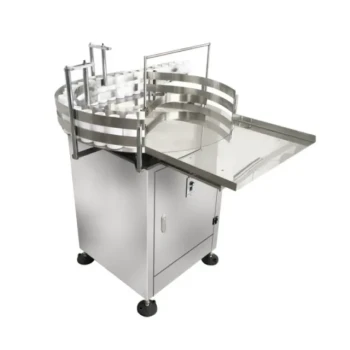
Utilizing large-scale feeding equipment is a strategic intervention that standardizes colony nutrition before the critical overwintering phase. This approach ensures every hive receives a uniform energy supply, eliminating the dangerous variability found in dwindling natural nectar sources and securing the colony's energy reserves for the months ahead.
Core Takeaway The primary value of large-scale feeding equipment lies in standardization. By replacing unpredictable natural foraging with a controlled, uniform food supply, you eliminate nutritional variables and ensure every colony enters winter with the exact energy reserves required for survival.
The Strategic Value of Standardization
Eliminating Nutritional Variability
Natural nectar sources in late autumn are often inconsistent in both quality and quantity. Relying on them introduces a dangerous variable into your colony management.
Large-scale feeding equipment allows you to override this inconsistency. By deploying a standardized sugar solution, you ensure that the nutritional input is identical across your operation, regardless of external environmental factors.
Establishing Equal Security
Without standardized feeding, some colonies may forage successfully while others struggle, leading to disparate survival rates.
Using large-scale equipment ensures that all colonies enter winter with equal nutritional security. This creates a baseline of safety, preventing the loss of weaker colonies that might otherwise have failed to gather sufficient natural stores.
Ensuring Physiological Survival Mechanisms
Fueling Thermal Regulation
The sugar solution provided acts as the primary fuel source for the hive's most critical winter function: thermoregulation.
Bees consume these carbohydrates to power their flight muscles, which they vibrate to generate heat. Without the sufficient, easily accessible energy provided by these feeders, the cluster cannot maintain the hive temperature required to prevent freezing.
Bridging the Foraging Gap
When weather conditions prevent foraging or floral resources disappear, the colony faces an immediate risk of starvation.
This equipment serves as a critical intervention during these lean seasons. It provides a reliable bridge that maintains colony momentum, preventing population collapse due to energy depletion or cold exposure.
Operational Advantages of Specialized Equipment
Controlled Feeding Environments
Specialized feeders are scientifically designed to mitigate the physical risks associated with liquid feed.
Unlike makeshift solutions, these devices feature structures that prevent honeybees from drowning while accessing the syrup. This preservation of the workforce is vital when the colony cannot breed new bees to replace losses.
Deterring Robbing Behavior
Introducing sugar syrup can trigger aggressive robbing from stronger neighboring colonies or wild pests.
Specialized feeding equipment is designed to minimize this risk. By providing a secure, internal or controlled interface for feeding, the equipment helps ensure the resources go to the intended colony rather than attracting competitors.
Preparing for Spring Momentum
The goal of winter feeding extends beyond mere survival; it is about spring readiness.
A colony that remains well-nourished through the winter does not emerge weak or depleted. Instead, they maintain the population strength necessary to quickly resume high-intensity foraging as soon as the first spring peak flowering begins.
Understanding the Trade-offs
While large-scale feeding is effective, it is essential to recognize the limitations of artificial feed compared to natural resources.
Nutritional Completeness: Sugar solutions provide raw energy (carbohydrates) but lack the micronutrients, enzymes, and pollen proteins found in natural honey and nectar. Over-reliance on sugar without ensuring protein reserves (pollen) can lead to malnutrition over long periods.
Monitoring Requirements: The presence of feed does not guarantee consumption. You must still monitor intake carefully; a colony that stops taking down syrup despite availability may have underlying health issues or a failing queen, regardless of the quality of the feeding equipment.
Making the Right Choice for Your Goal
To maximize the effectiveness of your winter preparation, align your feeding strategy with your specific management objectives.
- If your primary focus is Colony Survival: Prioritize volume and timing; ensure the feeders are filled early enough for bees to process and store the sugar solution before temperatures drop too low.
- If your primary focus is Operational Consistency: Use large-scale equipment to deliver identical quantities to every hive, removing nutrition as a variable so you can accurately assess other performance metrics.
- If your primary focus is Spring Production: combine sugar feeding with pollen substitutes to ensure the colony has both the fuel for heat and the protein reserves for early brood rearing.
Success in overwintering comes from controlling the variables you can manage; consistent, large-scale feeding is the most effective tool for stabilizing your apiary's energy baseline.
Summary Table:
| Benefit Category | Impact of Large-Scale Feeding Equipment |
|---|---|
| Resource Stability | Eliminates nutritional variability by replacing inconsistent natural nectar with a uniform sugar source. |
| Colony Safety | Specialized designs prevent bee drowning and minimize robbing behavior from neighboring pests. |
| Survival Mechanism | Provides the essential carbohydrate fuel required for thermal regulation and cluster heat generation. |
| Operational Efficiency | Ensures all colonies reach a baseline energy security simultaneously, simplifying winter prep. |
| Spring Readiness | Preserves population strength, allowing hives to resume high-intensity foraging immediately in spring. |
Maximize Your Apiary's Overwintering Success with HONESTBEE
Ensure every colony survives and thrives with professional-grade feeding solutions. At HONESTBEE, we specialize in supporting commercial apiaries and distributors with a comprehensive wholesale portfolio. From specialized hive-making and honey-filling machinery to high-capacity feeding systems and essential industry consumables, we provide the tools you need to maintain operational consistency and hive health.
Ready to scale your beekeeping operation? Contact us today for wholesale inquiries and expert equipment guidance
References
- Krystyna Pohorecka, Andrzej Bober. Effects of exposure of honey bee colonies to neonicotinoid seed–treated maize crops. DOI: 10.2478/jas-2013-0029
This article is also based on technical information from HonestBee Knowledge Base .
Related Products
- HONESTBEE Professional Hive Top Bee Feeder Feeding Solution
- HONESTBEE Entrance Bee Feeder Efficient Hive Front Liquid Feeding Solution for Beekeeping
- HONESTBEE Round Hive Top Bee Feeder for Syrup
- Classic Boardman Entrance Bee Feeder Hive Front Feeding Solution
- Automated Rotary Bottle Unscrambler for Honey Production Line
People Also Ask
- How does a bee hive top feeder work? A Guide to Efficient, Protected Feeding
- What is a hive top feeder? A Guide to Efficient, Low-Stress Beekeeping
- Do I need an inner cover with a hive top feeder? Optimize Your Hive Setup for Healthy Bees
- What is a hive top feeder, and how does it work? A Complete Guide to Efficient In-Hive Feeding
- What are the characteristics, advantages, and disadvantages of hive top feeders? Optimize Your High-Volume Feeding