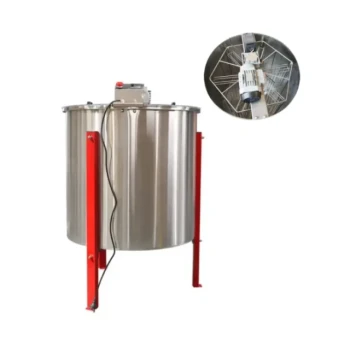
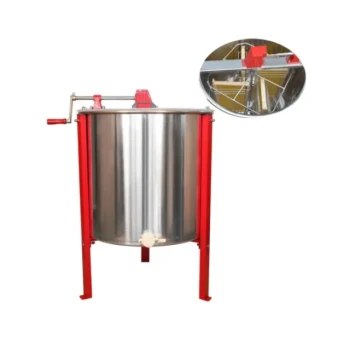
Professional honey extraction equipment is the definitive factor in transforming raw apiary yields into commercial-grade products. By utilizing centrifugal force rather than destructive harvesting, this machinery separates honey from the comb without damaging the wax structure. This process ensures superior hygiene, precise moisture control, and the removal of physical impurities, directly elevating the product's market value.
The core value of professional equipment lies in standardization. By moving away from variable, manual harvesting methods to consistent mechanical extraction and filtration, producers guarantee the purity, clarity, and stability required to command premium pricing in retail markets.
The Mechanics of Extraction vs. Destruction
Preserving the Wax Structure
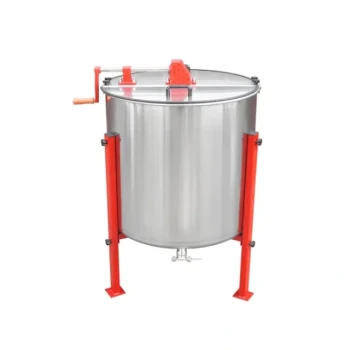
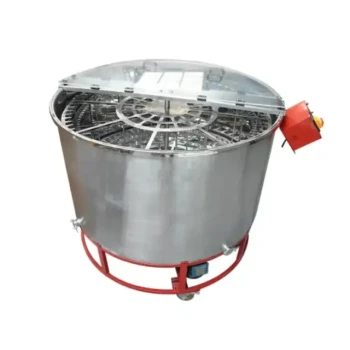
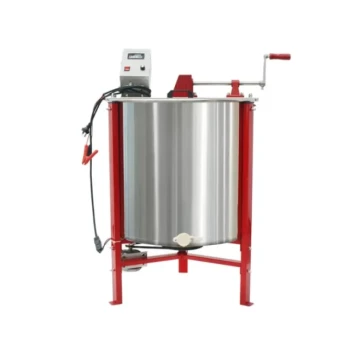
Traditional harvesting often involves crushing the comb to squeeze out honey, a method that destroys the bees' work. Centrifugal extractors spin the frames, using physics to pull honey out while leaving the wax comb intact.
This allows beekeepers to return the drawn comb to the hive. Because bees do not need to expend energy rebuilding wax, they can immediately focus on refilling the cells, significantly increasing future production efficiency.
Ensuring Hygiene and Safety
Manual handling introduces risks of secondary contamination. Professional extractors and closed-system processing lines minimize human contact with the product.
This mechanical separation ensures the honey remains hygienic throughout the harvest. It prevents the introduction of external bacteria or debris that can occur during crude pressing or straining operations.
Enhancing Sensory Quality through Purification
Achieving Commercial Clarity
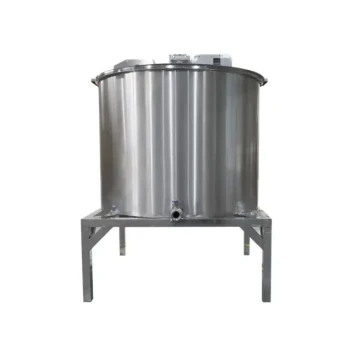
Raw honey often contains beeswax particles, larval fragments, and other hive debris. Specialized filtration devices and settling tanks systematically remove these impurities.
This physical clarification process produces honey with high transparency and purity. These are the primary visual indicators consumers use to judge quality, directly influencing their willingness to pay a higher price.
Extending Shelf Life
Impurities in honey can act as nucleation points for crystallization or introduce spoilage organisms. By filtering out debris and biological matter, professional equipment effectively extends the shelf life of the bottled product.
Retailers require this stability. Honey that remains clear and liquid for longer periods is more competitive on the shelf and reduces waste due to spoilage or aesthetic degradation.
Standardization as a Value Multiplier
Precise Moisture Control
One of the most critical metrics for honey quality is moisture content; high moisture leads to fermentation. Efficient processing equipment utilizes standardized processes to ensure honey meets specific physical and chemical indicators.
By stabilizing moisture levels, producers prevent quality stratification. This ensures the honey remains safe for long-term storage and meets the strict criteria necessary for formal retail distribution.
Consistency for Premium Markets
High-end retail channels demand consistency above all else. Professional processing ensures that every batch meets the same standards of color, viscosity, and clarity.
This standardization transforms honey from a variable agricultural product into a reliable brand. It stabilizes market pricing and allows producers to enter high-value segments that are inaccessible to inconsistent, manually harvested products.
Understanding the Trade-offs
Balancing Clarity with Nutrition
While filtration is essential for commercial clarity, it requires precision. The goal is to remove physical debris without stripping away essential nutritional components or delicate flavor profiles.
Over-processing can lead to a sterile syrup rather than a premium natural product. The equipment must be calibrated to improve sensory qualities (color and transparency) while retaining the bio-active elements that health-conscious consumers demand.
Capital Investment vs. Production Volume
Professional equipment represents a significant upfront cost. For small-scale hobbyists, the increase in market value may not immediately offset the expense of electric extractors and filtration systems.
This equipment creates the most value when production volume is high enough that efficiency gains and access to wholesale markets outweigh the initial capital expenditure.
Making the Right Choice for Your Goal
To maximize the return on your equipment investment, align your choice with your specific market strategy:
- If your primary focus is high-end retail distribution: Prioritize filtration and moisture control systems to ensure the transparency, stability, and extended shelf life required by grocers.
- If your primary focus is production volume: Invest in high-capacity centrifugal extractors that preserve wax combs, allowing your bees to focus on honey production rather than comb building.
- If your primary focus is brand reputation: Utilize settling tanks and fine filtration to remove all visible impurities, ensuring a flawless visual presentation that justifies a premium price point.
Professional extraction is not just about speed; it is about establishing the consistency and purity necessary to turn a raw harvest into a valuable commodity.
Summary Table:
| Feature | Traditional Harvesting | Professional Extraction | Impact on Market Value |
|---|---|---|---|
| Method | Crushing/Squeezing | Centrifugal Force | Preserves wax; increases future yields |
| Hygiene | Manual handling risks | Closed mechanical systems | Minimizes contamination; ensures safety |
| Clarity | Cloudy with debris | Multi-stage filtration | High transparency commands premium pricing |
| Shelf Life | High crystallization risk | Particle removal | Extended stability for retail distribution |
| Consistency | Batch variability | Industrial standardization | Builds brand trust and reliable pricing |
Maximize Your Harvest's Potential with HONESTBEE
Ready to transform your raw yields into premium, commercial-grade honey? HONESTBEE specializes in empowering commercial apiaries and distributors with high-performance beekeeping tools and machinery.
From high-capacity centrifugal extractors that preserve your valuable wax combs to precision honey-filling machines and specialized filtration systems, we provide the full spectrum of equipment needed to achieve industry-leading standards. Our comprehensive wholesale offering also includes essential consumables and honey-themed cultural merchandise to help you scale your brand effectively.
Take the next step toward professional-grade production. Contact us today to discover how our equipment can enhance your efficiency and market competitiveness!
References
- Tomaž Oštir. Bees And Beekeeping In Cambodia. DOI: 10.1080/0005772x.2014.11417597
This article is also based on technical information from HonestBee Knowledge Base .
Related Products
- Electric 8 Frame Honey Spinner Extractor Equipment for Beekeeping
- 6 Frame Manual Stainless Steel Honey Extractor Beekeeping Equipment
- HONESTBEE 2 Frame Manual Acrylic Honey Extractor Beekeeping Equipment
- HONESTBEE 72 Frame Industrial Electric Honey Extractor for Beekeeping
- 32 Frame Commercial Electric Honey Extractor for Beekeeping and Honey Production
People Also Ask
- What are the advantages of an electric honey extractor? Boost Efficiency and Scale Your Honey Production
- What are the characteristics of electric honey extractors? Boost Your Apiary Efficiency with Automated Technology
- What are the disadvantages of using an electric honey extractor? Weighing Cost, Power, and Comb Safety
- What are the features of an electric honey extractor? Boost Your Apiary's Productivity with Motorized Efficiency
- What are the technical advantages of electric honey extractors? Maximize Yield and Protect Your Bee Colony