The use of temperature-controlled incubators is a prerequisite for accurate honey analysis, as the physicochemical properties of honey are inextricably linked to its thermal history. By maintaining a strictly regulated environment, these devices prevent the degradation of heat-sensitive enzymes and chemical markers, ensuring that test results are driven by the sample's composition rather than environmental fluctuations.
Honey is a biologically active substance containing enzymes and markers like diastase and Hydroxymethylfurfural (HMF) that are highly sensitive to thermal variations. Precise temperature control is the only mechanism to stabilize reaction kinetics, thereby guaranteeing the consistency, accuracy, and reproducibility of your experimental data.
The Vulnerability of Honey Components
The Sensitivity of Diastase
Honey quality is frequently determined by its enzymatic activity, specifically diastase. This enzyme is heat-sensitive and can easily denature or lose activity if exposed to improper temperatures.
Without a controlled environment, fluctuations in heat can artificially lower diastase levels. This leads to false readings regarding the freshness or processing history of the honey.
HMF Content as a Thermal Indicator
Hydroxymethylfurfural (HMF) is a critical chemical marker used to assess honey purity and age. Its formation is directly influenced by heat.
uncontrolled temperature spikes during analysis can accelerate HMF production. This results in inaccurate data that may falsely suggest the honey is old or has been adulterated with invert sugar.
Achieving Analytical Consistency
Controlling Reaction Kinetics
Chemical reactions within honey samples do not occur at a static speed; they are governed by reaction rates that vary significantly with temperature changes.
An incubator removes this variable entirely. By locking the temperature, you ensure that the rate of chemical change remains constant across all samples, allowing for valid comparative analysis.
Eliminating Ambient Interference
Laboratory environments are rarely static; ambient temperatures can shift throughout the day.
Relying on ambient conditions introduces unpredictable variables into your data set. Incubators isolate the samples from these shifts, ensuring that Monday's results are directly comparable to Friday's results, regardless of the room temperature.
Understanding the Constraints
The Risk of Equipment Reliance
While incubators solve environmental issues, they introduce a dependency on equipment calibration.
If an incubator is improperly calibrated or has "hot spots," it can induce the very errors it is meant to prevent. Regular validation of the incubator's internal thermal uniformity is essential to maintain data integrity.
Processing Time vs. Accuracy
Using temperature-controlled incubation often requires strict adherence to specific time protocols to reach thermal equilibrium.
This can extend the total time required for analysis compared to rapid ambient testing. However, the trade-off is a necessary cost for achieving reproducible scientific data.
Making the Right Choice for Your Goal
To ensure your honey analysis yields valid results, consider your specific objectives:
- If your primary focus is Regulatory Compliance: You must use temperature control to ensure HMF and diastase levels accurately reflect the honey's quality against legal standards.
- If your primary focus is Research and Comparative Studies: You must prioritize thermal consistency to guarantee that any observed differences are due to the samples themselves, not reaction rate deviations.
Precision in temperature control is not merely a procedural step; it is the foundation of data credibility in honey analysis.
Summary Table:
| Key Factor | Impact of Temperature Fluctuation | Role of Incubator |
|---|---|---|
| Diastase Activity | Rapid denaturation; false-negative freshness results | Preserves enzymatic integrity and activity |
| HMF Formation | Accelerated chemical production; false aging indicators | Stabilizes markers for accurate purity assessment |
| Reaction Kinetics | Variable chemical change rates; inconsistent data | Fixes reaction rates for valid comparative analysis |
| Ambient Influence | Daily room temperature shifts skew findings | Isolates samples from unpredictable lab environments |
Elevate Your Honey Production & Distribution with HONESTBEE
Precision in analysis is just the first step—scaling your success requires the right industrial tools. At HONESTBEE, we specialize in empowering commercial apiaries and global distributors with a comprehensive range of professional solutions. From specialized hardware like honey-filling and hive-making machines to high-quality consumables and honey-themed cultural merchandise, we provide the full spectrum of equipment needed to maintain the highest standards of quality.
Ready to enhance your efficiency and market competitiveness? Contact us today to discover how our wholesale beekeeping machinery and tools can transform your business operations.
References
- محمد صفی احمدآباد, پریسا پناهی. Comparison of pollen grain composition and quality of honey obtained from forest and rangeland sites in Arasbaran region. DOI: 10.22092/ijfpr.2017.111783
This article is also based on technical information from HonestBee Knowledge Base .
Related Products
- Portable Queen Bee Incubator with 12V Car Adapter for Safe Transport
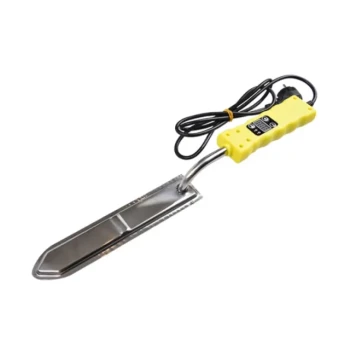
- Professional Electric Honey Uncapping Knife with Heated Digital Temperature Control for Beekeeping
People Also Ask
- What happens if a colony loses its queen during the nectar flow? A Guide to Salvaging Your Honey Harvest
- How can you tell if the worker bees have accepted the queen? Decode Bee Behavior for a Thriving Hive
- How can the queenless state of a newly created nuc be resolved? Expert Solutions for Colony Growth
- What are the primary reasons for replacing a queen bee? Boost Your Commercial Honeybee Colony's Success
- What queen bee behaviors should be observed after introduction? Ensure Hive Success with Our Expert Monitoring Guide