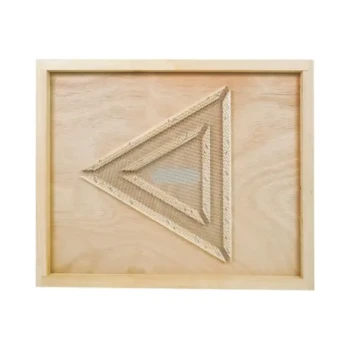
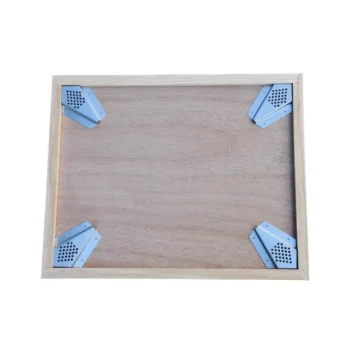
In the context of supplemental apiculture feeding, the 3x3 mm aperture metal mesh functions as a critical structural interface utilized primarily with paste-like feeds, such as Kandi. Positioned directly above the bee cluster, this mesh supports the physical weight of the feed, ensuring it remains accessible to the colony without collapsing onto the bees or compromising hive hygiene.
The 3x3 mm mesh serves as a protective barrier that suspends heavy, viscous feed above the colony. It prevents the feed from crushing or adhering to the bees while allowing them to freely access nutrients through the grid, optimizing both safety and consumption.
The Mechanics of the Feeding Interface
Structural Support for Viscous Feed
Supplemental feeds like Kandi paste are dense and heavy. The primary utilization of the 3x3 mm metal mesh is to act as a rigid support platform.
By placing the mesh above the bee cluster, it bears the load of the paste. This prevents the feed from sagging or falling due to gravity or hive temperature changes.
Preventing Physical Harm to the Colony
Without a supportive interface, paste-like feed can become a hazard. It risks pressing down on the cluster or adhering to individual bees.
The mesh mitigates this risk entirely. It creates a physical separation that keeps the sticky mass off the bees' bodies, preventing entrapment and suffocation.
Optimizing Colony Access
Facilitating Worker Interaction
The specific 3x3 mm aperture size is engineered for permeability. It is large enough to allow worker bees to interact with the feed.
Bees can either pass through the mesh or extend their proboscises through the gaps to consume the paste from below. This ensures the colony can feed naturally without obstruction.
Ensuring Hygienic Consumption
Hygiene is paramount in a dense bee cluster. The mesh utilization ensures that the feeding process remains clean.
By controlling access and supporting the feed, the mesh prevents the paste from crumbling into the hive or soiling the bees, maintaining a sanitary environment within the colony.
Understanding the Trade-offs
Specificity to Feed Consistency
This mesh is utilized specifically for paste-like consistency. It is not designed for liquid syrups or dry pollen substitutes that might flow or sift through the 3x3 mm gaps unhindered.
The utility of this system relies on the feed having high viscosity. If the feed becomes too runny due to excessive heat or improper mixing, the mesh may fail to retain it effectively.
Making the Right Choice for Your Goal
When designing a supplemental feeding strategy, the inclusion of a metal mesh depends on the type of feed you are administering.
- If your primary focus is utilizing heavy Kandi paste: Employ the 3x3 mm mesh to prevent the feed from collapsing onto the cluster and to avoid adhering to the bees.
- If your primary focus is hive hygiene: Use this mesh interface to separate the bees from the bulk mass of the feed, ensuring the colony stays clean during the feeding process.
The 3x3 mm metal mesh is the definitive structural solution for safely delivering viscous nutrients to a colony without compromising bee mobility or safety.
Summary Table:
| Feature | Specification/Benefit |
|---|---|
| Aperture Size | 3x3 mm |
| Primary Use | Structural support for viscous/paste-like feeds (Kandi) |
| Colony Safety | Prevents feed from crushing or adhering to bees |
| Bee Access | Allows easy nutrient consumption through the grid |
| Hygiene | Maintains a clean environment by suspending the feed mass |
Elevate Your Apiary Operations with HONESTBEE
At HONESTBEE, we specialize in empowering commercial apiaries and distributors with high-performance beekeeping solutions. Whether you are scaling up with our advanced hive-making and honey-filling machinery or need a reliable wholesale supply of premium metal mesh and essential consumables, we provide the tools to ensure your colonies thrive.
Our comprehensive portfolio is designed to enhance your efficiency and product quality. From specialized hardware to honey-themed cultural merchandise, we are your one-stop partner for industry excellence.
Ready to upgrade your beekeeping equipment? Contact us today to discuss our wholesale offerings and discover how HONESTBEE can deliver value to your business.
References
- R.Jamolov B.Boboyev Z.Mo'ydinova. WORKS DONE IN THE FAMILIES OF BEES IN AUTUMN. DOI: 10.5281/zenodo.7219637
This article is also based on technical information from HonestBee Knowledge Base .
Related Products
- High-Definition Beekeeper Hat with Round Veil Mesh for Beekeeping
- HONESTBEE Wooden Bee Escape Board with Triangle Mesh Design for Beekeeping
- HONESTBEE Square Top Hive Bee Feeder Top Bee Feeder
- Professional Hive Front Entrance Bee Feeder
- Nylon Honey Strainer Square Filter Cloth for Honey Filters
People Also Ask
- What is the primary purpose of a beekeeper's hat veil? Essential Face & Neck Protection for Safe Hive Management
- What are the benefits of the lightweight fabric used in the beekeeping hat veil? Enhanced Visibility & Comfort for Hive Work
- How is the beekeeper hat designed for comfort and practicality? Explore Key Features for Enhanced Apiary Safety
- What design features contribute to the stability and fit of the beekeeper hat? Key Features for Maximum Hive Safety
- What is the correct way to wash a beekeeping hat and veil? Safe Hand-Washing Guide to Protect Your Gear