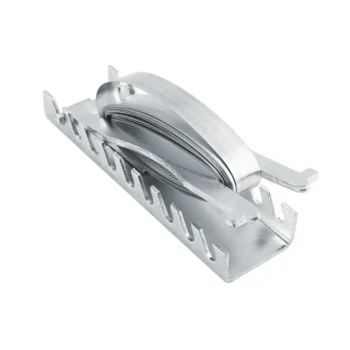
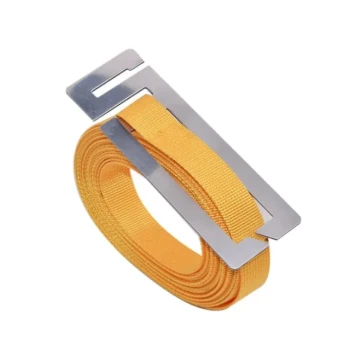
To loosen a ratchet strap, you must disengage the tension lock by pulling the spring-loaded release bar and rotating the handle open until it lies completely flat (180 degrees). Once the handle is flattened, the gear mechanism disengages, allowing you to manually pull the strap webbing back through the central spindle to remove it.
The most common point of failure is not opening the handle far enough. The ratcheting mechanism only enters "release mode" when the handle is folded back 180 degrees to a completely flat position.
Disengaging the Mechanism
The Spring-Loaded Bar
Locate the spring-loaded bar found inside the main handle of the ratchet.
Use your fingers to pull this release bar up toward the handle grip. This action unlocks the handle, allowing it to rotate freely without engaging the tightening gears.
The "Flat" Position
While holding the release bar, pull the handle all the way open.
You must fold the top half of the ratchet back until it is completely flat. In this 180-degree position, the mechanical cam overrides the gear locks, releasing the tension on the central spindle.
removing the Strap
Releasing the Spindle
Once the tension is broken, the strap will be loose, but it may still be threaded through the spindle.
To fully free the webbing, locate and depress the spring catch on the stationary half of the mechanism (the bottom part).
Extracting the Webbing
With the mechanism held open, pull the loose end of the strap back through the slot in the central spindle.
If the strap feels stuck, do not yank it violently. Instead, use a slight see-sawing action while pulling; this helps the fabric slide over the metal cylinder more easily.
Common Pitfalls to Avoid
Fighting the Ratchet
A common mistake is attempting to pull the strap out while the handle is only partially open (e.g., at a 90-degree angle).
At this angle, the gear teeth are still engaged. You must commit to the full 180-degree flat position to bypass the gears entirely.
Jammed Tension
If the strap was overtightened, the release bar might feel difficult to pull.
Apply a small amount of forward pressure on the handle (as if tightening slightly) to take the load off the locking plate. While applying this pressure, pull the release bar, then swing the handle open to the flat position.
Making the Right Choice for Your Goal
Whether you are unloading cargo or adjusting a load, the method of removal matters for safety and equipment longevity.
- If your primary focus is safety: Ensure the load has shifted or settled before releasing tension, as the strap may snap loose suddenly once the handle is flattened.
- If your primary focus is equipment maintenance: Inspect the strap for fraying or cuts as you pull it through the spindle, ensuring it is ready for the next use.
Mastering the "flat handle" technique turns a frustrating struggle into a seamless mechanical release.
Summary Table:
| Step | Action | Key Component |
|---|---|---|
| 1. Unlock | Pull the spring-loaded release bar | Release Bar |
| 2. Disengage | Open handle to a 180° flat position | Ratchet Handle |
| 3. Loosen | Manually pull webbing through the slot | Central Spindle |
| 4. Remove | Depress spring catch and extract strap | Stationary Base |
Secure Your Apiary Logistics with HONESTBEE
Moving hives and heavy beekeeping machinery requires reliable, high-quality equipment. At HONESTBEE, we specialize in providing commercial apiaries and distributors with premium beekeeping tools, specialized hive-making machines, and durable hardware designed for the rigors of the industry.
Whether you need robust straps for honey-filling machines or essential consumables for your wholesale business, our team is ready to supply your full spectrum of needs. Enhance your operation's efficiency and safety—contact our experts today to discuss your wholesale requirements!
Related Products
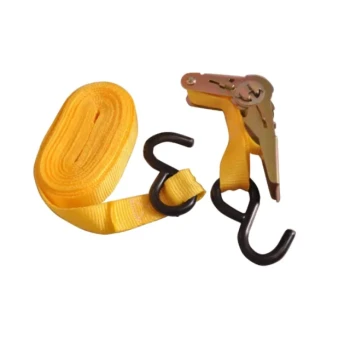
- Versatile Ratchet Hive Strap with S-Hooks for Secure Fastening
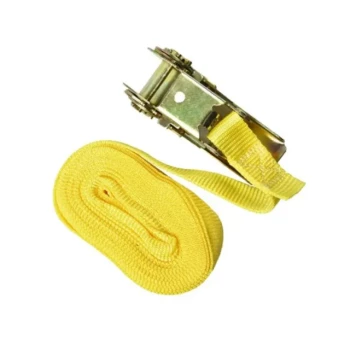
- Endless Loop Ratchet Hive Strap
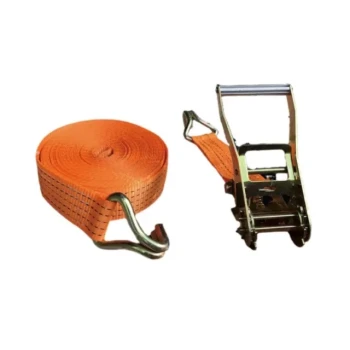
- Heavy Duty Ratchet Hive Strap
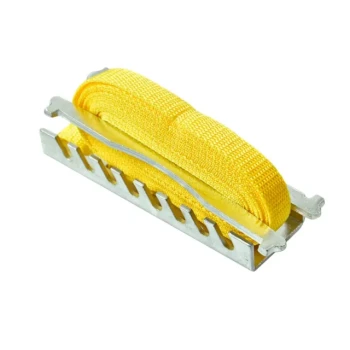
- Professional Galvanized Hive Strap with Secure Locking Buckle for Beekeeping
- High Security Emlock Strap System
People Also Ask
- How do you loosen a ratchet strap? Master the 180-Degree Release for Easy Unloading
- What is the correct way to install a ratchet strap to reduce freezing in cold weather? Prevent Seizure with Proper Drainage
- Why is the use of ratchet straps or high-strength ropes necessary for hive protection? Secure Your Colony Now
- Why install ratchet straps below the hive top in freezing weather? Prevent a frozen, useless strap.
- How do ratchet straps work? Master the Mechanism for Maximum Load Security