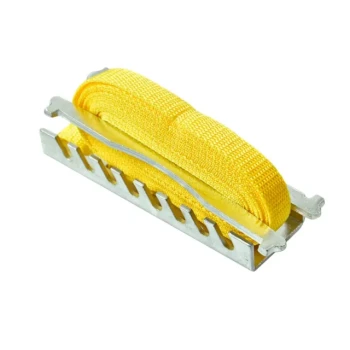
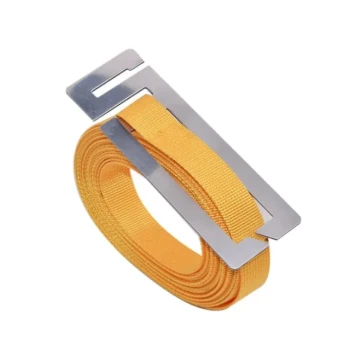
To correctly tighten a ratchet strap, you must first thread the loose end of the webbing through the central slot of the spindle (mandrel) from back to front. Pull the majority of the strap through the slot manually, leaving only about 6 inches of slack, before repeatedly cranking the handle to wind the remaining webbing and generate tension.
The most critical step is managing the slack. You cannot rely on the ratchet handle to wind up feet of loose webbing; doing so will fill the spool too quickly and jam the mechanism. You must pull the strap tight by hand first, leaving just enough slack to create friction wraps around the spindle.
Setting Up the Mechanism
Locating the Mandrel Slot
The ratchet mechanism consists of two halves connected by a rotating central spindle, often called a mandrel. This spindle contains a slot designed to hold the webbing.
Threading the Webbing
Take the free end of your strap and feed it through this slot. According to standard operation, you should thread it from the back of the ratchet toward the front.
Establishing the Line of Pull
Ensure the strap is straight and not twisted. A straight line of pull ensures the tension is distributed evenly across the width of the webbing.
The Tensioning Process
Removing Excess Slack manually
Before you touch the handle, pull the free end of the strap all the way through the slot. Your goal is to remove the slack by hand first.
leaving the "Safety Gap"
Do not pull it perfectly tight against the load just yet. Leave approximately 6 inches of slack in the webbing. This excess is necessary to wrap around the spindle, creating the friction required to hold the strap in place.
Cranking the Handle
Once the slack is removed, begin repeatedly opening and closing the ratchet handle. This mechanical action rotates the spindle.
Winding the Spindle
As the spindle rotates, it wraps the 6 inches of saved slack around itself. The mechanical advantage of the handle allows you to apply significant force, tightening the strap securely against the load.
Common Pitfalls to Avoid
The "Over-Spooling" Jam
A common mistake is failing to pull the strap through manually before cranking. If you try to wind up feet of slack using the handle, the webbing will bunch up on the spindle. This jams the ratchet, making it impossible to tighten further or release later.
Overtightening
The ratchet provides massive mechanical leverage. Continue cranking only until the load is secure. Cranking until the handle physically cannot move may crush fragile cargo or damage the strap anchor points.
Making the Right Choice for Your Goal
When operating a ratchet strap, the method of tightening should adjust slightly based on your specific objective.
- If your primary focus is Avoiding Jams: Pull the webbing hand-tight through the slot so the spindle only has to wind 2-3 layers of strap.
- If your primary focus is Maximum Security: Ensure you leave at least enough slack (the referenced 6 inches) to get a full wrap around the spindle, preventing the strap from slipping out under load.
Mastering the pre-tensioning step ensures your load stays secure and your equipment lasts longer.
Summary Table:
| Step | Action | Key Detail |
|---|---|---|
| 1. Threading | Feed strap through mandrel slot | Insert from back to front; keep webbing flat |
| 2. Pre-Tension | Pull through manually | Remove excess slack, leaving only ~6 inches |
| 3. Cranking | Pump the ratchet handle | Rotate the spindle to create friction wraps |
| 4. Securing | Close handle fully | Ensure the handle is locked flat to prevent release |
Secure Your Apiary Logistics with HONESTBEE
Transporting heavy beehives, honey-filling machines, and delicate beekeeping equipment requires more than just high-quality tools—it requires the right cargo securing knowledge. At HONESTBEE, we empower commercial apiaries and distributors by providing a comprehensive wholesale range of professional-grade beekeeping machinery, hardware, and essential consumables.
Whether you are scaling your honey production or distributing tools to local beekeepers, our portfolio is designed to enhance your operational efficiency and safety. Contact us today to discuss your wholesale needs and discover how our expertise in beekeeping infrastructure can grow your business!
Related Products
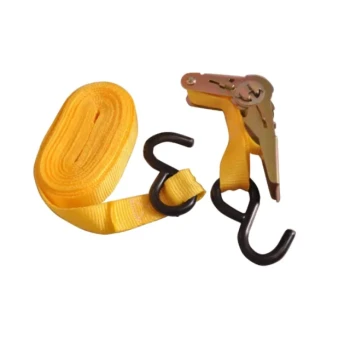
- Versatile Ratchet Hive Strap with S-Hooks for Secure Fastening
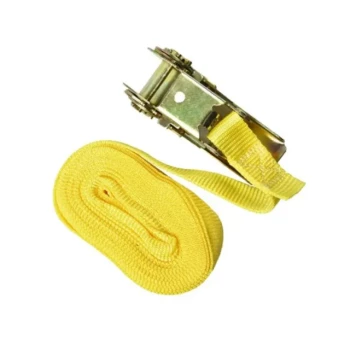
- Endless Loop Ratchet Hive Strap
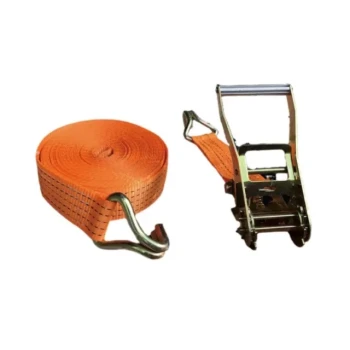
- Heavy Duty Ratchet Hive Strap
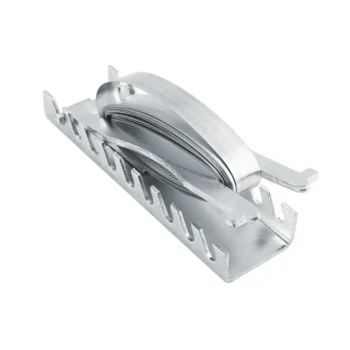
- High Security Emlock Strap System
- Professional Galvanized Hive Strap with Secure Locking Buckle for Beekeeping
People Also Ask
- How do you loosen a ratchet strap? Master the 180-Degree Release for Easy Unloading
- How is a ratchet strap loosened and removed? Master the 180-Degree Release Technique
- What is the correct way to install a ratchet strap to reduce freezing in cold weather? Prevent Seizure with Proper Drainage
- Why is the use of ratchet straps or high-strength ropes necessary for hive protection? Secure Your Colony Now
- Why install ratchet straps below the hive top in freezing weather? Prevent a frozen, useless strap.