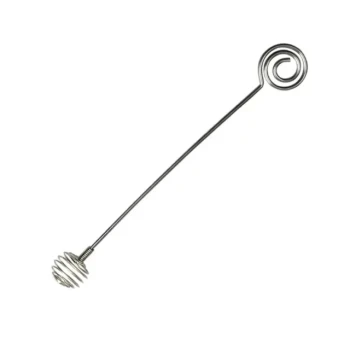
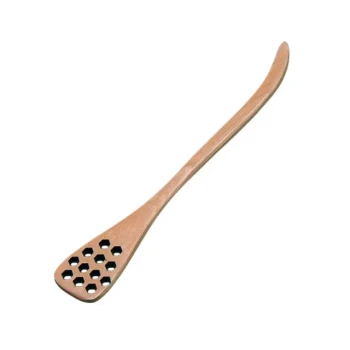
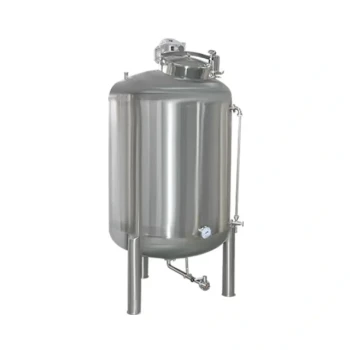
Honey Brewing Equipment serves as a transformative tool that converts lower-grade or crude honey into high-value alcoholic beverages, specifically traditional honey wine (mead). Instead of merely refining the honey for table use, this equipment facilitates a biological process that repurposes raw material—which may not meet the aesthetic standards for high-end retail—into a premium artisanal product.
Core Takeaway Honey Brewing Equipment creates a secondary value-addition path by turning raw honey into fermented beverages through precise environmental control. It allows producers to monetize honey that cannot enter the luxury table market by entering the lucrative alcoholic beverage sector.
Transforming Raw Material into Premium Assets
The Mechanism of Conversion
Standard honey processing focuses on filtration and moisture removal to clean the product. Honey Brewing Equipment operates differently; it facilitates a chemical transformation.
By mixing raw honey with water and yeast, the equipment turns the natural sugars of the honey into alcohol. This process changes the fundamental category of the product from a pantry staple to a recreational beverage.
Precision Environmental Control
The success of this transformation relies on the equipment's ability to maintain specific conditions. High-quality brewing systems precisely control fermentation temperature and humidity.
They also provide the necessary airtight conditions required for anaerobic fermentation. These controls ensure the resulting beverage is consistent, palatable, and safe for consumption.
Expanding Consumption Channels
Raw honey that is too dark, creates cloudy crystals, or has a flavor profile unsuitable for direct consumption often fetches a low market price.
Brewing equipment allows producers to bypass the table honey market entirely. By converting this "crude" honey into wine, producers open up entirely new sales channels, such as liquor retailers, restaurants, and bars.
Solving the "Lower-Grade" Problem
Leveraging Non-Table Honey
Not all honey can enter the high-end market. Some batches may fail strict clarity or color standards required for premium glass-jar retail.
The primary reference indicates that brewing equipment provides a secondary value path for this specific inventory. Since the visual clarity of the raw honey matters less when it is being fermented and potentially flavored, lower-grade batches become viable assets.
Vertical Diversification
Using brewing equipment allows a honey producer to become a beverage manufacturer. This diversifies revenue streams, protecting the producer from fluctuations in bulk honey prices.
Instead of selling low-grade honey in bulk at near-cost prices, the producer retains the inventory and adds significant value through processing.
Understanding the Trade-offs
Process Complexity
While filtration is a physical process, brewing is a biological one. It introduces variables such as yeast health, infection risks, and maturation times that do not exist in standard honey packing.
Regulatory Implications
Moving from food production (honey) to alcohol production (wine) invariably introduces stricter regulatory oversight. Producers must be prepared for different licensing, taxation, and labeling requirements compared to standard agricultural products.
Making the Right Choice for Your Goal
To maximize the value of your honey harvest, choose the processing path that aligns with your raw material quality and business model:
- If your primary focus is standardizing high-quality table honey: Prioritize filtration and moisture control equipment to improve clarity and shelf life for retail distribution.
- If your primary focus is monetizing lower-grade or bulk honey: Invest in Honey Brewing Equipment to convert lower-value raw materials into high-margin fermented beverages like mead.
Strategic application of brewing technology turns an agricultural byproduct into a high-value commercial commodity.
Summary Table:
| Feature | Standard Honey Processing | Honey Brewing (Mead Production) |
|---|---|---|
| Primary Goal | Refining for clarity and shelf-life | Biological transformation into alcohol |
| Raw Material | High-grade, clear table honey | Crude, dark, or non-table grade honey |
| Key Equipment | Filters and moisture removers | Fermentation tanks and temperature controls |
| Value Addition | Physical purification | Chemical conversion to premium beverage |
| Target Market | Grocery retail and food industry | Liquor retailers, restaurants, and bars |
| Key Benefit | Maintains aesthetic standards | Monetizes low-market-price honey batches |
Transform Your Honey Harvest into High-Margin Assets with HONESTBEE
Don't let lower-grade honey devalue your hard work. HONESTBEE specializes in empowering commercial apiaries and distributors with the professional-grade honey brewing equipment and machinery needed to convert bulk inventory into premium artisanal mead.
From advanced fermentation systems to specialized honey-filling machines and essential consumables, our comprehensive wholesale offering is designed to scale your business. Whether you are looking to diversify your revenue streams or optimize your production line, our expert team is here to provide the tools and hardware necessary for your success.
Ready to elevate your honey products? Contact HONESTBEE today to explore our full spectrum of beekeeping technology and cultural merchandise.
References
- Moges Girmay Phogella, Workie Sahlu Anbaw. Honey value chain analysis and Gender role in Dehana Woreda Waghimra Zone of Amhara, Ethiopia.. DOI: 10.33259/jlivestsci.2024.208-217
This article is also based on technical information from HonestBee Knowledge Base .
Related Products
- Manual Honey Filling Machine Bottling Machine for Honey
- Double Nozzle Small Honey Filling Machine Honey Sachet Packing Packaging Equipment
- Small Honey Filling Machine Sachet Packing Equipment Single Nozzle
- Fully Automatic Honey Filling Packaging Machine for Processing Line
- Economy Small Honey Filling Machine Honey Bottle Filler Packaging Machine
People Also Ask
- What is a manual honey filler and where is it used? The Essential Guide for Small-Scale Honey Bottling
- What is a manual filling machine? The Ultimate Guide for Small-Batch Producers
- What criteria should be evaluated when selecting a honey filling machine? Top Tips for Maximum Efficiency
- What types of filling mechanisms are used in honey filling machines? Find the Best Tech for Your Viscosity
- What technical advantages do honey filling and packaging machines provide? Optimize Your Large-Scale Production