Achieving proper tension in beekeeping frames requires a combination of manual pulling and mechanical leverage using the frame's nails as tensioning devices. You must anchor the wire to a partially driven nail, pull it taut with needle-nose pliers, and then rotate the nail itself to twist the wire to final tightness before driving the nail flush to lock it in place.
Core Takeaway Wiring a frame is not merely about threading holes; it is about creating a high-tension structural grid that supports the wax foundation. True stability is achieved when the wire is tight enough to produce a distinct audible "ping" when plucked, secured by hammering the anchor nail completely flat.
The Mechanics of Tensioning
Establishing the Anchor
The process begins with tinned wire and a partially driven nail.
One end of the wire is wrapped securely around this nail. This creates the initial fixed point against which you will pull.
The Manual Pull
Once the wire is threaded through the frame, manual force is required to remove the bulk of the slack.
Using needle-nose pliers, pull the wire tightly from the end opposite your initial anchor.
The Mechanical Twist
Manual pulling alone often fails to achieve the high tension required for stability.
To achieve final tension, use your pliers to turn the nail on the bottom bar. This action twists the wire wrapped around it, acting like a tuning peg on a guitar to cinch the wire tighter than hand-pulling allows.
The Auditory Test
You cannot rely on visual inspection alone to verify tension.
Pluck the wire. It is considered properly tensioned only when it makes a sharp 'pinging' sound. If it thuds or rattles, the tension is insufficient to support heavy comb.
Securing the Structure
Locking the Tension
Once the wire sings and the tension is correct, the system must be permanently locked.
While maintaining tension, hammer the nail completely into the end bar.
Driving the nail flush prevents it from rotating back and releasing the stored energy in the wire.
Removing Excess Wire
Clean finishes prevent injury to the beekeeper and the bees.
Instead of cutting the wire, break off the remaining excess by moving it back and forth under the nail head until it snaps cleanly.
Common Pitfalls to Avoid
Avoiding "False Tension"
A common mistake is pulling the wire tight by hand and immediately hammering the nail without the "twist" step.
This results in wires that loosen as soon as the frame is handled. Always utilize the rotational leverage of the nail to remove the final millimeter of slack.
The Risk of Frame Distortion
While high tension is necessary, there is a physical limit.
If you overtighten significantly beyond the "ping," you risk bowing the wooden end bars inward. This changes the dimensions of the frame and can violate the "bee space" required within the hive.
Making the Right Choice for Your Goal
Achieving the perfect balance between a singing wire and a square frame requires practice. Use the following guide to verify your work.
- If your primary focus is longevity: Ensure the wire is properly embedded and the nail is driven flush; loose nails are the primary cause of tension loss over time.
- If your primary focus is foundation support: Prioritize the "ping" test; a loose wire will cause the wax foundation to sag and result in irregular comb building.
The goal is a frame that acts as a rigid, musical instrument, not a loose net.
Summary Table:
| Step | Action | Critical Success Factor |
|---|---|---|
| Anchoring | Wrap wire around a partially driven nail | Ensure a secure fixed point |
| Manual Pull | Remove slack using needle-nose pliers | Pull firmly from the opposite end |
| Mechanical Twist | Rotate the nail like a tuning peg | Achieve high-tension beyond hand-pulling |
| Testing | Pluck the wire to hear a "ping" | Audible vibration indicates proper tension |
| Locking | Hammer the nail flush to the frame | Prevents the wire from loosening over time |
| Finishing | Snap excess wire by bending back and forth | Creates a clean, safe edge for handling |
Elevate Your Apiary with Professional Tools
At HONESTBEE, we understand that structural integrity is the backbone of a productive hive. As a dedicated partner to commercial apiaries and distributors, we provide more than just supplies—we provide the precision equipment needed to scale your operations.
Our comprehensive wholesale portfolio includes:
- High-Quality Consumables: Durable tinned wire and specialized frame hardware.
- Advanced Machinery: Hive-making and honey-filling machines for high-volume production.
- Beekeeping Essentials: A full spectrum of tools and honey-themed cultural merchandise.
Whether you are looking to source bulk components or upgrade your processing facility, our team is ready to support your growth with industry-leading expertise and competitive wholesale offerings.
Contact HONESTBEE Today to Secure Your Wholesale Quote
Related Products
- Stainless Steel Bee Hive Frame Wire for Beekeeping
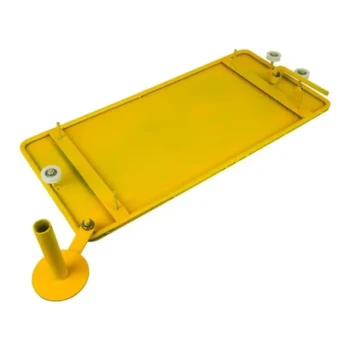
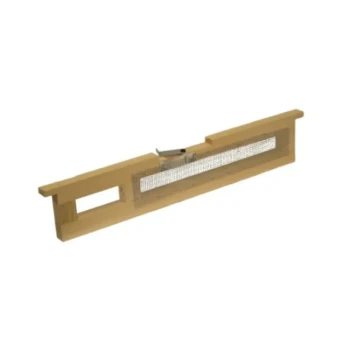
- HONESTBEE Durable Frame Wiring Board with Integrated Tensioner
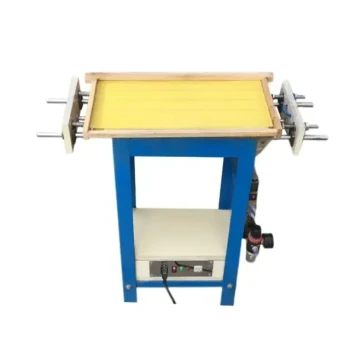
- Professional Pneumatic Wire Embedder for Beehive Frames
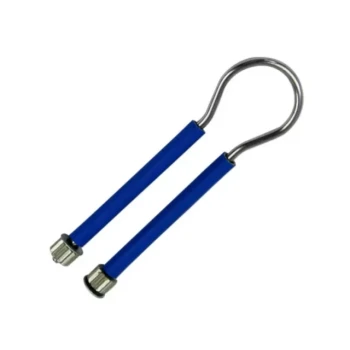
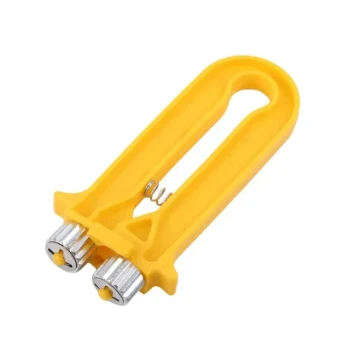
- HONESTBEE Loop Handle Frame Wire Crimper
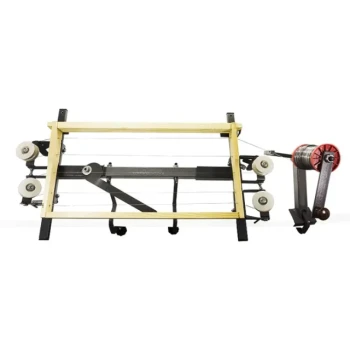
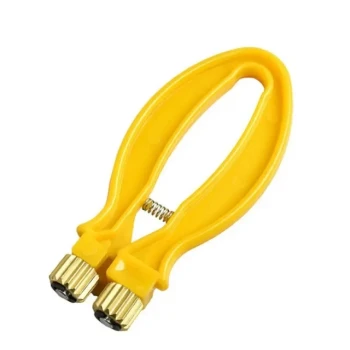
- Professional Bee Frame Wiring Tool with Integrated Tensioning System by HONESTBEE
People Also Ask
- What are the arguments for and against wiring beehive frames? Balance Durability and Management Flexibility
- What are the drawbacks of wiring beehive frames? Key Limitations and Structural Trade-offs Revealed
- How is the wire secured at the top of the frame? A Guide to Locking in Tension for Strong Honeycomb
- What factors determine the amount of wiring needed in beehive frames? Tailor Your Strategy for Your Climate
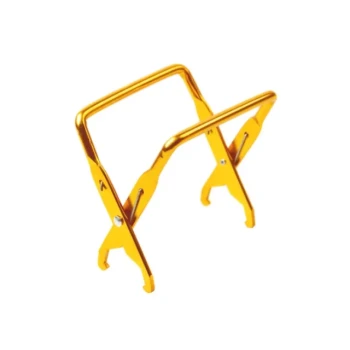
- What tools are needed to wire a beehive frame? Essential Equipment for Durable Frame Construction