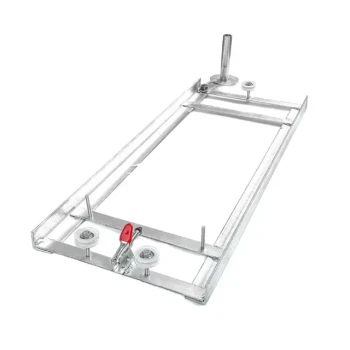
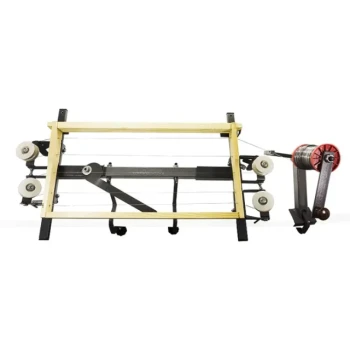
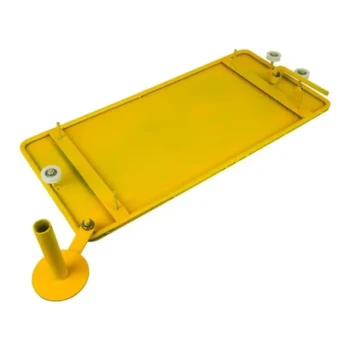
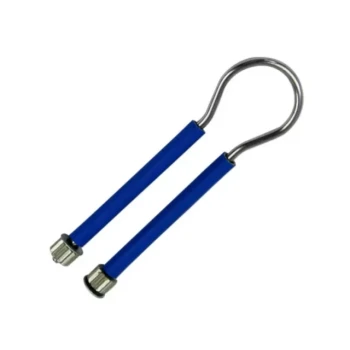
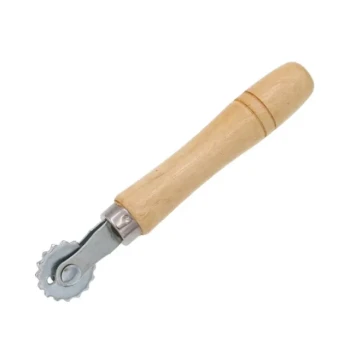
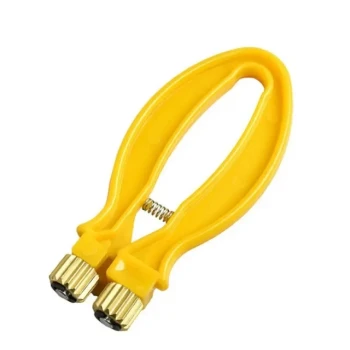
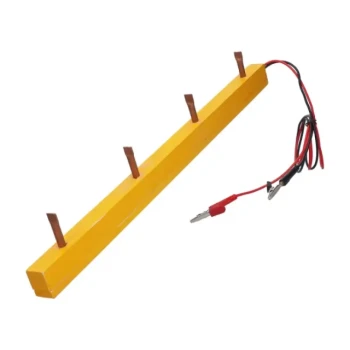
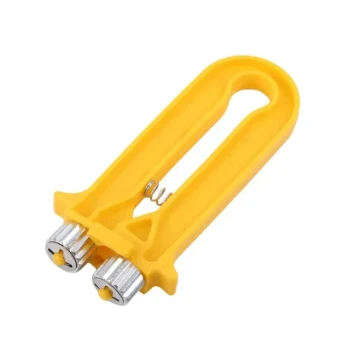
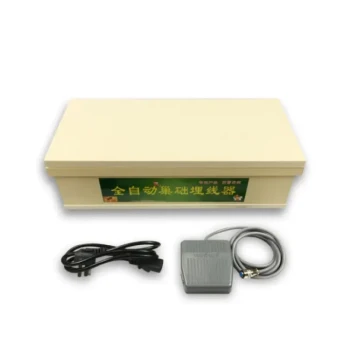
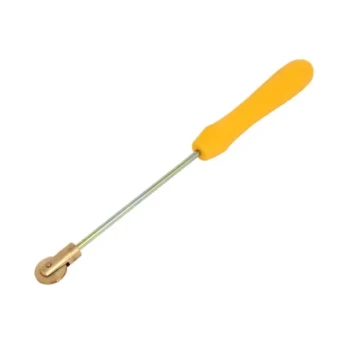
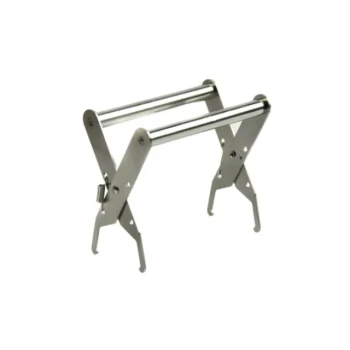
A bee frame wiring jig is a specialized mechanical tool designed to stabilize a wooden hive frame while the beekeeper threads and tightens horizontal wires through it. It is primarily used by apiarists utilizing 100% natural wax foundations, serving as a dedicated workstation that combines a frame clamp, a wire spool holder, and tensioning wheels to streamline the assembly process.
Core Takeaway Wiring frames manually is often tedious and results in inconsistent support for the honeycomb. A wiring jig solves this by mechanizing the tensioning process, allowing you to achieve the high-tension "harp string" tightness required to prevent natural wax foundation from sagging or collapsing.
The Role of the Wiring Jig in Beekeeping
Stabilizing the Workpiece
The fundamental function of the jig is to hold the wooden frame completely steady. By clamping the frame in place, the jig frees both of the beekeeper's hands to manipulate the wire and nails, transforming a clumsy juggling act into a controlled assembly line.
Managing Wire Feed and Routing
Instead of wrestling with loose coils, the jig utilizes a built-in spool to dispense wire smoothly. It often features guide wheels or posts that route the wire horizontally through the frame's side-bar holes, preventing tangles and ensuring the wire sits at the correct height.
Ensuring Structural Integrity
The primary goal of wiring is to support delicate wax foundation. If the wire is loose, the comb may bow or break under the weight of honey and brood. The jig allows the user to pull slack out of the wire systematically, ensuring the final result is tight enough to cut through the wax sheet during embedding.
How the Mechanism Works
Preparation and Anchoring
The process begins by clamping the frame into the jig and partially driving nails into the side bars. These nails serve as the anchor points for the start and end of the wire run.
Threading the System
The beekeeper pulls wire from the mounted spool, threading it through the pre-drilled holes in the frame and around the jig's tensioning wheels. A tail of wire is secured to the first nail, which is then hammered flush to lock it in place.
The Tensioning Phase
This is the critical step where the jig excels. The user pulls each section of wire taut while rotating the spool backward to remove all slack. The goal is to tighten the wire until it produces a distinct, high-pitched sound when plucked—often described as sounding like a harp.
Finalizing the Assembly
Once the desired tension is achieved, the wire is wrapped around the second anchor nail. This nail is driven flush into the wood, and the excess wire is twisted until it snaps off cleanly, leaving a perfectly taut support structure.
Understanding the Trade-offs
Specificity of Utility
The wiring jig is a "unitasker." It is designed exclusively for wooden frames with wax foundation. If your apiary relies on plastic foundation (which snaps into the frame and requires no wiring), this tool offers no value to your operation.
Volume vs. Necessity
For a hobbyist with only two hives, a jig may be an unnecessary expense; manual wiring is possible, albeit slower. However, for anyone managing a larger number of colonies, the time saved per frame and the consistency of the results make the jig a critical efficiency investment.
Making the Right Choice for Your Apiary
To decide if this tool belongs in your workshop, assess your equipment standards and volume.
- If your primary focus is strictly natural beekeeping: Invest in the jig to ensure your delicate wax foundation has the robust support it needs to survive hive temperatures and extraction.
- If your primary focus is rapid expansion or low maintenance: Consider using plastic foundation, which eliminates the need for wiring and renders the jig unnecessary.
- If your primary focus is volume efficiency with wax: The jig is mandatory; it standardizes quality and significantly reduces the time required to prepare hundreds of frames.
The bee frame wiring jig bridges the gap between manual effort and professional consistency, ensuring your hive's internal architecture is built to last.
Summary Table:
| Feature | Description | Benefit for Beekeepers |
|---|---|---|
| Frame Clamp | Secures wooden frame in a fixed position | Allows hands-free operation and precision |
| Spool Holder | Managed wire dispensing system | Prevents tangles and smooths the threading process |
| Tensioning Wheels | Guided routing and pulling mechanism | Achieves "harp string" tightness for comb support |
| Anchor Points | Integrated spots for nail driving | Ensures secure wire ends and structural integrity |
Scale Your Apiary Efficiency with HONESTBEE
Are you looking to streamline your production and ensure the highest quality for your honeycomb architecture? At HONESTBEE, we specialize in supporting commercial apiaries and distributors with a comprehensive range of professional-grade beekeeping tools. From essential consumables to specialized hive-making and honey-filling machinery, our wholesale offerings are designed to enhance your operational volume and reliability.
Our value to you:
- Comprehensive Supply: Everything from hardware to honey-themed cultural merchandise.
- Commercial Grade: Durable equipment built for high-volume beekeeping operations.
- Wholesale Expertise: Tailored solutions for global distributors and large-scale apiaries.
Ready to upgrade your beekeeping infrastructure? Contact us today to discuss your wholesale needs!
Related Products
- HONESTBEE Professional Frame Wiring Board and Jig
- Professional Bee Frame Wiring Tool with Integrated Tensioning System by HONESTBEE
- HONESTBEE Durable Frame Wiring Board with Integrated Tensioner
- HONESTBEE Wired and Assembled Wooden Bee Frames Foundation for a Thriving Hive
- HONESTBEE Loop Handle Frame Wire Crimper
People Also Ask
- How to wire a bee frame? A Step-by-Step Guide for Strong, Durable Honeycomb
- What is the final step in wiring a frame? Secure Lasting Tension for a Durable Hive
- What is minimalist bee frame wiring? Learn the Risks and Benefits for Beekeeping
- What tools and materials are required for wiring a beehive frame? Essential Equipment for Stronger Honeycomb
- What is the purpose of the frame wiring jig? Speed Up Bee Frame Wiring in Under 90 Seconds