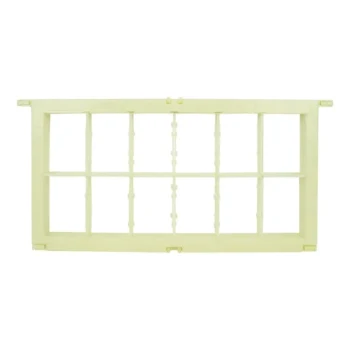
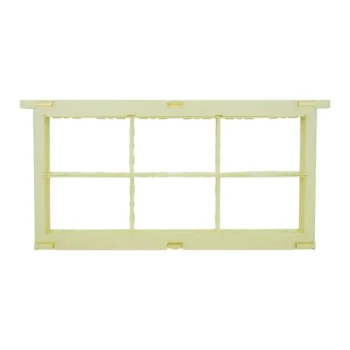
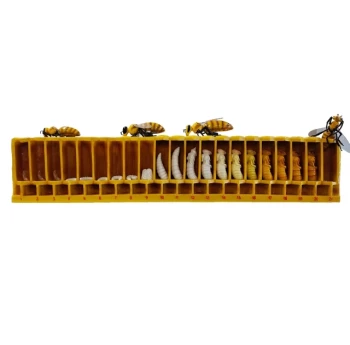
The resetting process for a specialized honeycomb frame is a manual, mechanical operation performed immediately after drainage. Once the honey has been fully extracted, you insert a specialized key into a slot located at the top of the frame. By turning this key, the internal mechanism shifts the comb cells back into their original, alignment, effectively closing the system and preparing it for the bees.
By eliminating the need for centrifugal extraction, the reset mechanism allows the colony to remain undisturbed. The simple turn of a key restores the structural integrity of the comb, shifting the labor of uncapping and cleaning back to the bees.
The Mechanics of the Reset
Engaging the Mechanism
The core of this system relies on a specialized key designed to fit the frame's top slot.
This manual operation is the only human intervention required to restore the frame's function. No external machinery or removal of the frame from the hive box is necessary.
Realignment of Cells
Turning the key physically moves the cell walls.
During extraction, the cells are offset to allow drainage; the key resets them to their vertical, "closed" position. This restores the classic hexagonal shape required for honey storage.
The Colony’s Role Post-Reset
Wax Capping Removal
Unlike traditional frames where the beekeeper cuts off the wax cappings, this system relies on the bees.
Once the frame is reset, the bees notice the change in the comb structure. They instinctively chew away the disturbed wax cappings to access and repair the cells.
Managing "Wet Frames"
Immediately after the reset, the frames are considered "wet frames" because they retain a thin layer of residual honey.
Returning these frames to the bees allows them to clean this residue. This provides the colony with a small resource boost and significantly reduces waste.
The Cycle Continues
After cleaning the residual honey and removing the old wax, the bees treat the frame as empty storage.
They will immediately begin refilling the cells with fresh nectar, restarting the honey-making process.
Understanding the Trade-offs
Pest Vulnerability
While efficient, "wet frames" carry risks if not managed correctly.
The residual honey scent can attract pests such as wax moths and small hive beetles. If you are not returning the frames to the hive immediately, they must be stored in a controlled environment to prevent infestation.
Reliance on Bee Labor
While this system saves the beekeeper labor, it does require energy from the hive.
The bees must expend energy to chew through the old cappings and clean the frames. However, this is generally considered a natural part of their hive maintenance behavior.
Making the Right Choice for Your Goal
When you have finished draining and resetting the frame, your next step depends on the season and your immediate needs.
- If your primary focus is immediate production: Leave the reset frame in the hive (or place the super on the inner cover); the bees will clean and refill it within days.
- If your primary focus is overwintering or storage: Allow the bees to clean the wet frames first to dry them out, then remove and store them to prevent pest infestation.
The efficiency of this system lies in its ability to utilize the bees' natural instincts to maintain the hardware, minimizing human interference.
Summary Table:
| Step | Action | Description |
|---|---|---|
| 1. Insert Key | Manual Intervention | Insert the specialized key into the frame's top slot post-drainage. |
| 2. Realignment | Mechanical Shift | Turn the key to shift cell walls back into the vertical hexagonal position. |
| 3. Bee Cleaning | Natural Instinct | Bees chew away old wax cappings and consume residual honey. |
| 4. Restoration | Ready for Nectar | The frame is fully cleaned and restored for immediate honey storage. |
Scale Your Honey Production with HONESTBEE
Maximize your apiary's output with professional-grade tools designed for efficiency. HONESTBEE specializes in serving commercial apiaries and distributors with a complete range of beekeeping machinery, including hive-making and honey-filling systems, as well as essential consumables.
Whether you need to upgrade your honey-themed merchandise or source durable hardware for large-scale operations, we provide the wholesale solutions you need to grow.
Ready to streamline your harvest? Contact HONESTBEE today to discuss your wholesale requirements!
Related Products
- Professional Sectional Comb Honey Frame with 250g Cassette System for Beekeeping
- Professional 500g Sectional Comb Honey Frame System for Beekeeping
- Plastic Honey Comb Frames Cassette Box for Honey
- Heart-Shaped Comb Honey Frame and Honeycomb Cassette
- Assembled Wooden Bee Frames with Beeswax Foundation Ready to Use by HONESTBEE
People Also Ask
- How are honeybee combs utilized for non-destructive colony monitoring? Master Population Density Tracking
- What is the technical purpose of exchanging honeycomb frames? Master Apiary Equalization for Growth
- What frame to use for honeycomb? Choose the Right System for Pure, Edible Comb
- What is a honeycomb frame? The Key to Modern, Sustainable Beekeeping
- What are the recommended temperature and duration settings for freezing honey frames? Ensure Pest-Free Comb Storage