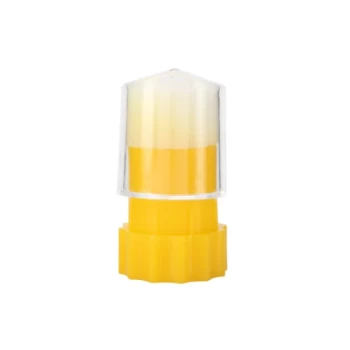
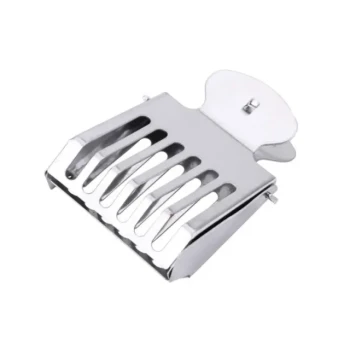
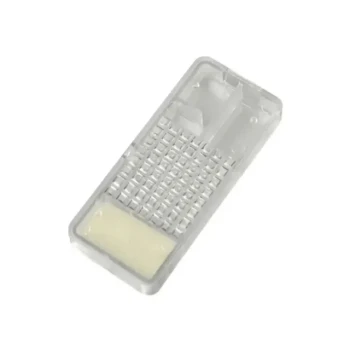
Ensuring the safety of the queen is the single most important factor when returning her to the colony. After applying the mark, you must keep her confined for several minutes—preferably in the shade—to allow the paint to dry completely. Once the paint is hardened, gently release her onto a brood frame and carefully slide the frame back into the broodnest, ensuring you do not crush or "roll" her against adjacent combs.
Core Takeaway The success of the release depends entirely on patience; releasing a queen with wet paint encourages workers to clean her or perceive her as a threat. Always verify the paint is dry and the queen is calm before returning her to the comb.
The Critical Importance of Drying
Preventing Rejection and cleaning
You must allow the marking paint to dry completely before the queen is returned to the hive.
If the paint is wet, attendant bees will immediately attempt to clean it off, rendering the marking ineffective. Furthermore, the strong scent of wet paint or solvent can disguise the queen’s pheromones, potentially triggering an aggressive response from the workers.
Managing Temperature
While waiting for the paint to dry, keep the queen in a shaded, well-ventilated area.
Direct sunlight can overheat the queen in a matter of minutes, especially if she is confined in a small plunger or marking cage. The drying process typically takes several minutes; patience here ensures the mark lasts for the duration of her life.
The Release Technique
Placement on the Frame
Never drop the queen onto the top bars or into the open space between frames.
Instead, gently guide her directly onto the face of a brood frame. Placing her on the comb allows her to immediately blend in with the workers and return to her duties, minimizing the disruption to the colony's social order.
Avoiding "Rolling"
The most dangerous moment for the queen is the physical re-insertion of the frame.
When sliding the frame back into the broodnest, be hyper-aware of the queen's position. If the frames are tight, the queen can be "rolled" or crushed between the comb surfaces, which is often fatal. Lower the frame slowly and ensure ample space between combs until the frame is fully seated.
Understanding the Trade-offs: Resident vs. New Queens
The Context of "Newly Marked"
It is critical to distinguish between a resident queen you have just marked and a new queen you are introducing.
The direct release method described above is only for a resident queen—one that was already laying in that specific colony just minutes prior. Her pheromones are already established in the hive.
The Risk of Direct Release for New Queens
If the "newly marked" queen is a replacement purchased from a breeder, do not release her directly onto the brood frame.
A new queen is a stranger to the colony; direct release will likely result in the workers "balling" (attacking and overheating) her. For a new queen, you must use a cage with a candy release or cork system to allow for a slow introduction over several days, giving the colony time to accept her pheromones.
Making the Right Choice for Your Goal
- If your primary focus is marking an existing queen: Dry the paint in the shade for 5 minutes and release her directly onto a brood frame, avoiding the top bars.
- If your primary focus is introducing a new queen: Mark her, let the paint dry, but place her back into a protective introduction cage to allow for a gradual, safe release over several days.
Treat the release with the same precision as the marking to ensure the colony remains stable and productive.
Summary Table:
| Release Step | Key Consideration | Risk if Ignored |
|---|---|---|
| Drying Time | Wait 3-5 mins in shade | Workers clean wet paint or attack queen |
| Placement | Release on brood frame face | Queen falls or gets lost in the hive floor |
| Re-insertion | Lower frames slowly | Queen can be "rolled" or crushed between combs |
| Queen Status | Resident queen only | New queens will be rejected without a cage |
| Environment | Avoid direct sunlight | Overheating and stress to the queen |
Maximize Your Colony Success with HONESTBEE
Successfully managing your queens is just the beginning. At HONESTBEE, we specialize in empowering commercial apiaries and distributors with the professional tools needed for large-scale success. From precision beekeeping tools and consumables to advanced honey-filling and hive-making machinery, our comprehensive wholesale portfolio is designed to enhance your efficiency.
Ready to scale your beekeeping operation? Contact us today to discover how our high-quality equipment and honey-themed cultural merchandise can drive value for your business!
Related Products
- Plastic Long Marker Device for Catching and Marking Bees Queen Bee Marking Tube and Cage
- Queen Bee Marking Pen UNI Medium Point for Queen and Bee Marking
- Queen Bee Marking Pen POSCA Queen Marking Pens for Beekeeping Bee Markers
- Queen Bee Marking Tube Cage Bottle Catcher Holder with Clear Plastic Plunger Marker
- One Hand Yellow Queen Marking Catcher Tube Cage Beekeeper Tool Accessory for Queen Bee
People Also Ask
- Where on the queen bee's body should the mark be applied? Master the Art of Safe Queen Identification
- What are the primary objectives for marking a queen bee? Master Hive Management and Data Tracking
- Why is the physical marking of a queen bee important? Ensure Precise Colony Replacement Cycle Tracking
- How do you capture and immobilize a bee for marking? Master Safe Queen Handling for Your Apiary
- What are the different methods for applying a mark to a queen bee? Master Safe and Effective Queen Marking Techniques