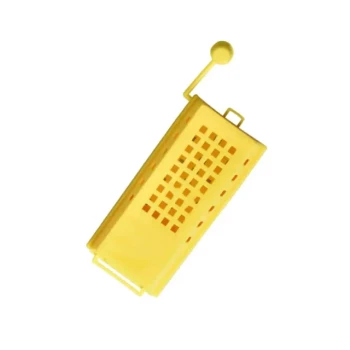
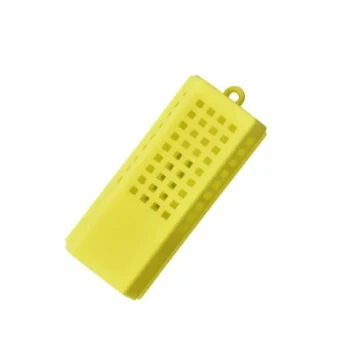
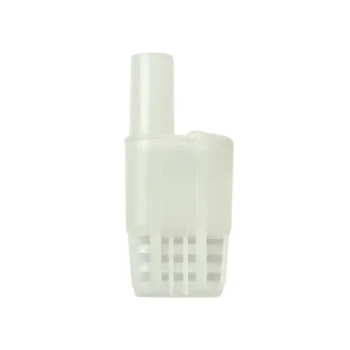
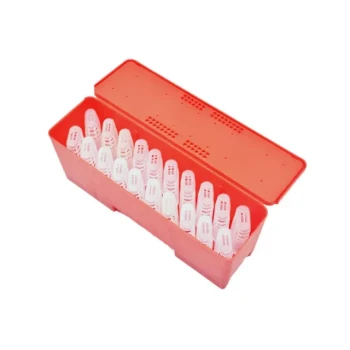
The immediate priority during package installation is to visually confirm the queen is alive and healthy inside her cage. Once her vitality is confirmed, you must remove the cork specifically from the candy end of the cage, allowing the worker bees to access the sugar plug that serves as the time-release mechanism.
Core Takeaway The queen cage acts as a protective acclimation chamber, not a prison. By forcing the colony to chew through a candy barrier to release the queen, you buy the necessary time for her unique pheromones to permeate the hive, ensuring the workers accept her rather than attacking her as an intruder.
Inspecting and Preparing the Cage
verifying Vitality
Before doing anything else, look through the screen of the cage. You must ensure the queen is alive and active.
She will likely be surrounded by a few "attendant" worker bees inside the cage. Verify that she is moving normally before proceeding with installation.
Initiating the Release Mechanism
Identify the end of the cage that contains the white sugar candy. There is typically a cork or cover blocking access to this candy.
Remove the cork from the candy end. This exposes the sugar plug to the bees outside the cage.
The Role of the Workers
Do not pull the queen out yourself. The worker bees from the package and the attendants inside the cage will work simultaneously to eat through the candy.
This process generally takes several days. This delay is intentional and vital for the queen's survival.
Expediting the Process (Optional)
If you wish to speed up the release slightly, you may modify the candy plug.
Use a small nail or similar object to poke a hole through the center of the candy. This gives the workers a head start on tunneling, reducing the time required for release without eliminating the safety window.
Ensuring Integration and Acceptance
Understanding Pheromone Acclimation
You cannot simply release a queen into a new package immediately. The workers need time to adjust to her specific pheromones.
If released before this adjustment period, the colony may perceive her as a hostile intruder. This often results in the workers attacking or killing the queen ("balling").
Proper Cage Orientation
When placing the cage into the hive, the mesh or grill side must remain unobstructed.
Do not press the mesh directly against wax comb or wood. The worker bees need full access to this screen to feed the queen and smell her pheromones.
Facilitating Movement
Ensure that queen excluders are removed from the hive during this initial phase.
The queen needs to move freely to establish her brood nest. Restricting her movement with an excluder early on can hinder the development of a healthy brood pattern.
Common Pitfalls to Avoid
The "Direct Release" Error
Never remove the cork on the non-candy end or open the screen to let the queen out immediately upon installation. This bypasses the pheromone acclimation phase and significantly increases the risk of queen rejection.
Obstructing the Screen
A common mistake is wedging the cage in a way that blocks the mesh. If the workers cannot touch the screen, they cannot feed the queen, and she may starve or be rejected due to lack of pheromone distribution.
Forgetting the Cork
If you forget to remove the cork from the candy end, the bees cannot reach the sugar plug. The queen will remain trapped indefinitely, leading to colony failure.
Making the Right Choice for Your Goal
When finalizing your installation, choose your method based on the condition of the package and environmental factors.
- If your primary focus is maximum safety: Remove the cork from the candy end and leave the candy intact to ensure the longest possible acclimation period (3–5 days).
- If your primary focus is faster establishment: Poke a small hole through the candy with a nail to expedite the release while still maintaining a safety buffer.
- If your primary focus is verification: Return 3 to 5 days after installation to check the cage; if she is not out, manually release her, then check for eggs 10 to 14 days later.
Respect the process of the candy plug, and you will secure the foundation of a thriving colony.
Summary Table:
| Step | Action | Purpose |
|---|---|---|
| Vitality Check | Visually confirm queen is moving and active | Ensures you are installing a healthy, live queen |
| Cork Removal | Remove cork from the candy end only | Allows workers to start the time-release process |
| Candy Modification | (Optional) Poke a small hole in the candy | Slightly expedites release while maintaining safety |
| Cage Placement | Position mesh side facing outward/unobstructed | Ensures workers can feed the queen and sense pheromones |
| Excluder Check | Remove queen excluders during installation | Allows queen to move freely and establish a brood nest |
Secure Your Apiary's Success with HONESTBEE
At HONESTBEE, we understand that a successful colony starts with the right tools and a healthy queen. Whether you are a commercial apiary or a distributor, we provide the comprehensive wholesale solutions you need to thrive. Our portfolio includes everything from heavy-duty hive-making and honey-filling machinery to essential beekeeping tools and industry consumables.
Don't leave your hive's productivity to chance. Partner with a supplier that values precision and quality as much as you do. Contact HONESTBEE today to explore our full spectrum of professional beekeeping equipment and merchandise!
Related Products
- Durable Galvanized Steel Spring Queen Bee Cage
- Professional Queen Bee Introduction and Transport Cage
- Professional Queen Cage with Sliding Gate and Feeder Plug
- Classic Wooden and Mesh California Queen Cage
- Professional Multi-Functional Queen Bee Cage
People Also Ask
- Why are specialized queen bee cages used for the banking of mated queen bees? Maximize Commercial Apiary Storage Efficiency
- What is the mechanism of action for using temporary queen bee cages? Master Successful Queen Introduction
- What is the step-by-step process for installing a queen bee's cage onto a frame? Ensure Hive Acceptance Safely
- What is the optimal placement for a queen bee cage? Essential Strategies for Successful Re-queening
- What are the advantages and disadvantages of introducing a queen bee by embedding the cage? Boost Your Queen Acceptance