Effective workspace preparation is the critical first step to ensuring safety and cleanliness when casting beeswax sheets. To prepare your area, first place a towel on the counter for heat protection, create a spill barrier around your mold using folded towels, and cover the entire setup—including the barriers—with two to three layers of parchment paper. Finally, prepare a separate, adjacent area lined with parchment paper to receive the finished sheets as they cool.
Core Takeaway Working with molten wax requires a strategy focused on heat management and containment. By building a layered workspace with physical boundaries and distinct zones for casting and cooling, you prevent damage to your surfaces and streamline the repetitive production process.
Establishing a Thermal Foundation
Protecting the Substrate
Before handling any equipment, you must address the heat of the molten wax.
Start by laying a thick towel directly on your counter surface. This acts as an insulator, preventing the heat transfer from the silicone mold and hot wax from damaging your countertop or workbench.
Creating Physical Boundaries
Molten wax is difficult to control once spilled.
Create a physical perimeter around where the silicone mold will sit using folded towels. These act as a dam, ensuring that any accidental overflows are contained within the immediate work area rather than running off the table.
The Containment Layer
The Parchment Barrier
Once your thermal protection and towel boundaries are in place, you must seal the area.
Cover the entire workspace, including over the folded towel boundaries, with two to three layers of parchment paper. This multi-layered approach ensures that if the top layer tears or saturates, the layers beneath protect your towels and surface from wax saturation.
Ease of Cleanup
The use of parchment paper turns a potentially messy cleanup into a simple disposal task.
Because beeswax does not stick aggressively to parchment, this setup allows you to easily peel away spills or simply discard the top layer of paper between batches if it becomes too cluttered.
Zoning for Workflow Efficiency
The Cooling Zone
Casting beeswax sheets is a rapid, repetitive cycle.
You must prepare a separate, adjacent space before you pour your first sheet. Cover this area with parchment paper as well.
Handling Pliable Sheets
According to standard practice, sheets are removed from the mold while still warm and pliable (typically 1.5 to 2 minutes after pouring).
You need this designated cooling zone to lay the fresh sheets flat immediately after removal. If this space is not prepped, you risk deforming the soft wax while looking for a safe place to set it down.
Common Pitfalls to Avoid
Underestimating Heat Transfer
Do not rely on parchment paper alone to protect your table.
Without the underlying towel layer, prolonged exposure to the hot silicone mold can discolor or warp sensitive countertop materials like laminate or wood.
Insufficient Coverage
Avoid "spot covering" only the immediate area under the mold.
Splatter can occur during the rolling or pouring process. Ensure your parchment layers extend well past the towel boundaries to catch microscopic droplets that fly during the rolling phase.
Making the Right Choice for Your Goal
If your primary focus is speed and volume:
- Ensure your cooling zone is twice the size of your casting zone so you can lay out multiple sheets to cool without stacking them while they are still soft.
If your primary focus is cleanliness and surface preservation:
- Prioritize the folded towel boundaries and ensure the parchment paper overlaps significantly to prevent any liquid wax from seeping through gaps.
A well-prepared workspace turns a chaotic, sticky process into a clean and meditative craft.
Summary Table:
| Preparation Step | Materials Needed | Purpose |
|---|---|---|
| Thermal Foundation | Thick towel | Protects countertops from heat damage and warping. |
| Containment Barrier | Folded towels | Creates a physical dam to contain accidental wax spills. |
| Surface Protection | 2-3 layers of parchment paper | Prevents wax saturation and ensures easy cleanup. |
| Cooling Zone | Separate flat area + parchment | Provides a safe spot for warm, pliable sheets to set flat. |
Elevate Your Beeswax Production with HONESTBEE
At HONESTBEE, we understand that professional results require professional tools. Whether you are a commercial apiary scaling up production or a distributor looking for high-quality supplies, we provide the full spectrum of beekeeping excellence.
Our extensive portfolio includes:
- Precision Machinery: Advanced hive-making and honey-filling machines.
- Professional Tools: Durable silicone molds and specialized hardware for beeswax processing.
- Bulk Consumables: A comprehensive array of essential industry supplies.
- Cultural Merchandise: Unique honey-themed products to expand your retail offering.
Ready to streamline your operations and maximize efficiency? Contact HONESTBEE today to explore our wholesale solutions and discover how our expertise can support your business growth.
Related Products
- Colorful Silicone Beeswax Foundation Mold Mould for Beekeeping
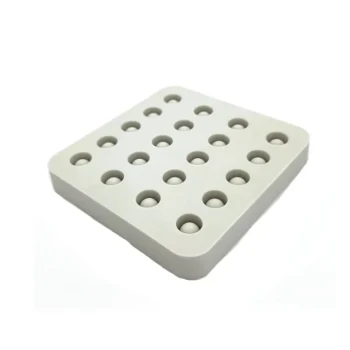
- High-Efficiency 20-Cell Silicone Mold for Beeswax Bee Queen Cup Production
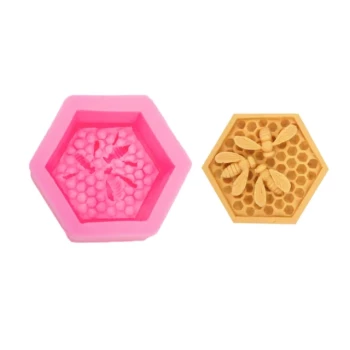
- 3D Square Honeycomb Pillar Silicone Candle Molds for Making Beeswax Candles
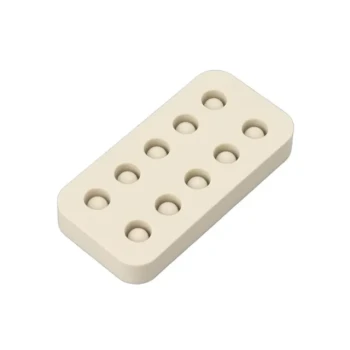
- 10-Cell Silicone Beeswax Bee Queen Cups Forming Mold
- Notebook Style Beeswax Foundation Mould Wax Foundation Mold
People Also Ask
- How do beeswax foundation molds facilitate the construction of standardized honeycombs? Optimize Your Apiary Efficiency
- How do you use the Foundation Mold to create beeswax foundation? Master DIY Beekeeping with Precision
- How can beeswax value-addition processes be utilized to increase beekeeping revenue? Boost Your Apiary Profitability
- What is the first tip for pouring beeswax into a silicone mold? Ensure a Perfect Release
- Why are specific wax foundation molds used to downsize brood cells? Master Mechanical Pest Inhibition