Proper maintenance of leather beekeeping gloves requires a two-phase approach: first, gently squeeze out excess water without wringing the material, then lay the gloves flat to air dry at room temperature away from direct heat sources. Once completely dry, you must apply a leather conditioner to restore the natural oils stripped during washing, which ensures the leather remains flexible and resistant to cracking.
The greatest threat to leather longevity is not the water itself, but the speed at which it is removed; rushing the drying process with heat or failing to replenish oils immediately afterward will permanently compromise the glove's protective barrier.
The Critical Pre-Drying Steps
Mechanical Water Removal
After washing, your first goal is to remove bulk water without damaging the leather fibers. Gently squeeze the gloves to release saturation.
Avoid Stressing the Fibers
Never twist or wring the gloves. This mechanical stress can warp the leather and tear the stitching, compromising the glove's integrity.
Surface Moisture Extraction
Before setting them out to dry, pat the gloves down with a dry towel. This removes surface moisture that can prolong the drying process unnecessarily.
Creating the Ideal Drying Environment
Natural Air Drying
Lay the gloves flat on a clean towel in a well-ventilated area. Drying must occur naturally at room temperature.
Internal Airflow and Shape Retention
To ensure the inside dries as efficiently as the outside, stuff the gloves loosely with newspaper. This technique absorbs internal moisture, promotes airflow, and helps the gloves retain their hand-shaped form while they harden.
Environmental Dangers
Avoid direct sunlight and artificial heat sources. Placing leather near radiators, dryers, or in direct sun will force water out too quickly, causing the collagen fibers to shrink and the material to become brittle.
Restoring Material Flexibility
The Role of Conditioning
Washing inevitably strips leather of its natural oils. Once the gloves are fully dry, the material will likely feel stiff.
Application Strategy
Apply a high-quality leather conditioner immediately after the drying process is complete. This restores the lost oils, ensuring the gloves return to a supple state and preventing long-term cracking.
Common Pitfalls to Avoid
Incomplete Rinsing
While not part of the drying process itself, soap residue left on the leather is a major cause of post-drying deterioration. Ensure all soap is rinsed away before drying, as chemical residue can dry out the leather and cause it to crack regardless of how well you condition it.
Ignoring Texture Changes
If the leather feels hard or "cardboard-like" after drying, do not force it to bend. This indicates a lack of oil; apply conditioner immediately to soften the fibers before use.
Making the Right Choice for Your Equipment
By adhering to a strict drying and conditioning protocol, you extend the service life of your protective gear significantly.
- If your primary focus is maximum longevity: Prioritize natural air drying and never skip the conditioning step, even if the gloves feel relatively soft.
- If your primary focus is comfort and dexterity: Ensure you stuff the gloves with newspaper during drying to maintain the specific shape and fit of the fingers.
Treat your leather gear with patience, and it will reward you with seasons of reliable protection.
Summary Table:
| Step | Action | Key Benefit |
|---|---|---|
| Water Removal | Gently squeeze and pat with a dry towel | Prevents fiber damage and removes bulk moisture |
| Drying | Air dry flat at room temperature with newspaper stuffing | Maintains glove shape and prevents brittleness |
| Conditioning | Apply high-quality leather oil or conditioner | Restores flexibility and prevents material cracking |
| Avoid | Direct heat, sunlight, and wringing/twisting | Preserves leather integrity and stitching strength |
Maximize Your Gear's Lifespan with HONESTBEE
Proper maintenance is only half the battle; high-performance beekeeping starts with premium-grade equipment. HONESTBEE specializes in supporting commercial apiaries and distributors by providing the industry's most durable leather protective gear, advanced honey-filling machinery, and specialized hive-making tools.
Whether you are looking to source bulk consumables or upgrade your facility's hardware, our comprehensive wholesale offering is designed to scale your operations efficiently. Let our experts help you select the right tools for your business.
Contact HONESTBEE Today to Discuss Your Wholesale Needs
Related Products
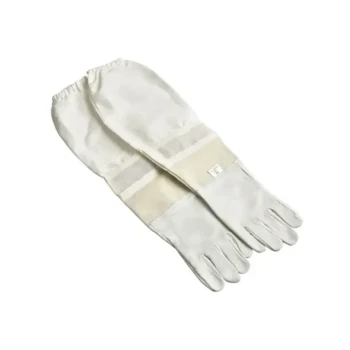
- Goatskin Leather Beekeeper Gloves with Vent Long Sleeve for Beekeeping Honey Bee Sting Proof Protection
- Beekeeping Gloves Goatskin Leather with Long Cotton Sleeve for Beekeepers
- Goat Skin Leather Bee Sting Proof Beekeeping Gloves with Canvas Sleeve
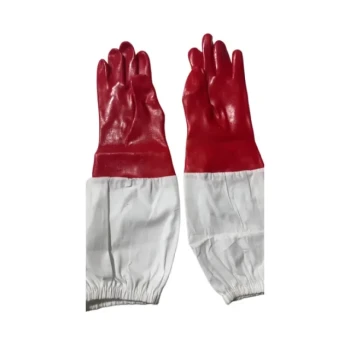
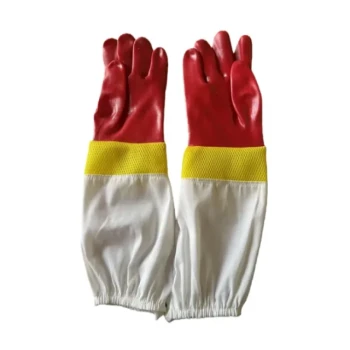
- Heavy Duty Red Rubber Beekeeping Gloves with Extended Pure Cotton Sleeves for Beekeepers
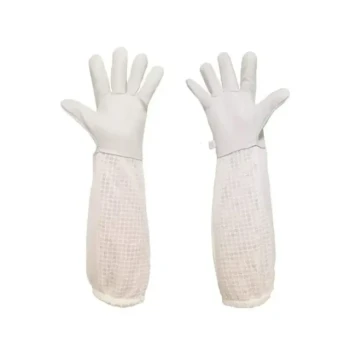
- Premium Ventilated Goatskin Beekeeping Gloves with Full 3-Layer Mesh Sleeve
People Also Ask
- What are the characteristics of goatskin beekeeping gloves? Enhance Dexterity and Protection in Your Apiary
- Why is it important to have gloves available even if not always worn? Essential Risk Management for Beekeepers
- What are the primary purposes of using beekeeping gloves? Protect Your Hands and Ensure Apiary Hygiene
- Why do some experienced beekeepers opt not to wear gloves? Discover the Benefits of Tactile Precision
- Why is it important for beekeepers to wear gloves? Essential Safety and Confidence for Hive Management