Accurate measurement requires capturing two specific dimensions. First, measure the circumference of your hand just below the knuckles, excluding the thumb, to determine your general glove size. Second, measure the length from the base of your palm to the tip of your middle finger to ensure the fingers will not be restricted.
While measurements provide the baseline numbers, the ultimate goal is a snug fit that eliminates gaps where bees could enter, without compromising the dexterity required to manipulate delicate hive components.
The Mechanics of Measurement
Determining Hand Width
The primary indicator for glove sizing is the circumference of your dominant hand. Wrap a tape measure around the hand just below the knuckles.
Crucially, you must exclude the thumb from this measurement. This ensures the glove fits the widest part of your palm without being artificially stretched by the thumb joint.
Determining Hand Length
A glove that is too short will restrict movement and cause fatigue. Measure the distance from the very base of your palm to the tip of your middle finger.
Compare this measurement against manufacturer charts, as finger length can vary significantly between brands even if the width is identical.
Evaluating Cuff Length
Beyond the hand itself, consider the length of the protection required for your arms.
Gloves with longer cuffs are designed to cover the wrist and extend up the forearm. This provides a critical layer of defense for the gap between your hand and your bee suit.
The Importance of Fit and Dexterity
Preventing Bee Ingress
The most dangerous aspect of an ill-fitting glove is the gap it creates.
Beekeeping gloves must have a snug fit. If the material is too loose, bees can crawl inside the glove, leading to panic and stings in a trapped environment.
Maintaining Control
Beekeeping requires fine motor skills, such as lifting heavy frames or handling a queen cage.
If a glove is too bulky or loose at the fingertips, you lose the dexterity needed for these tasks. Poor tactile feedback increases the risk of accidentally crushing bees or dropping frames.
Understanding the Trade-offs
Protection vs. Sensitivity
You must balance the thickness of the material against your need to feel what you are holding.
Thicker gloves offer maximum sting protection but significantly reduce sensitivity. Thinner gloves allow for intricate tasks and better dexterity but offer less resistance against stings.
Snugness vs. Ease of Removal
While a snug fit is safer for keeping bees out, it can make the gloves difficult to remove, especially when sweaty.
A glove that is too tight can restrict blood flow or movement over time. The ideal fit is secure enough to seal out bees but flexible enough to allow a full range of motion.
Making the Right Choice for Your Goal
Select your gloves based on your experience level and the specific tasks you are performing.
- If your primary focus is maximum protection: Prioritize gloves with longer cuffs and thicker material to prevent stings, accepting a reduction in fine motor control.
- If your primary focus is dexterity and hive management: Choose a snug, thinner glove that maximizes tactile feedback, ensuring you can handle frames with precision.
Correct measurement is the first step to ensuring your protective gear enhances your beekeeping rather than hindering it.
Summary Table:
| Measurement Type | Measuring Point | Purpose |
|---|---|---|
| Hand Circumference | Just below the knuckles (exclude thumb) | Determines general glove width and size |
| Hand Length | Base of palm to tip of middle finger | Ensures finger mobility and prevents fatigue |
| Cuff Length | Wrist to mid-forearm | Protects the gap between glove and bee suit |
Elevate Your Apiary Operations with HONESTBEE
Precision matters in beekeeping, and the right gear starts with a perfect fit. HONESTBEE is a premier partner for commercial apiaries and distributors, providing a comprehensive wholesale selection of professional-grade beekeeping tools and machinery.
From high-durability protective wear to advanced honey-filling machines and hive-making hardware, we deliver the reliability your business demands. Our extensive portfolio also includes unique honey-themed merchandise to enhance your brand's reach.
Ready to scale your business with premium equipment? Contact us today to discuss our wholesale offerings and discover how HONESTBEE can streamline your production and protect your team.
Related Products
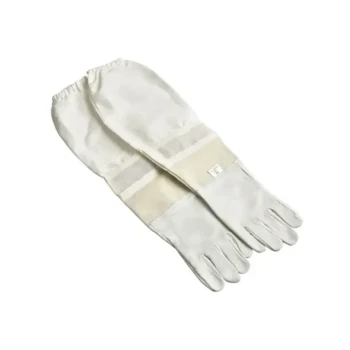
- Beekeeping Gloves Goatskin Leather with Long Cotton Sleeve for Beekeepers
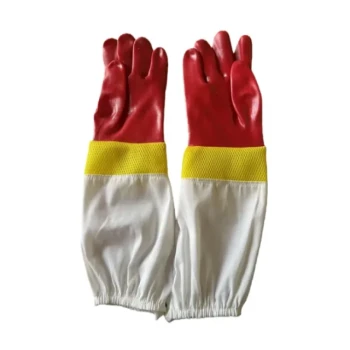
- Heavy Duty Red Rubber Beekeeping Gloves with Vented Mesh Cotton Sleeves
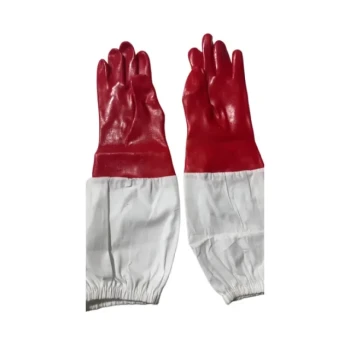
- Heavy Duty Red Rubber Beekeeping Gloves with Extended Pure Cotton Sleeves for Beekeepers
- Goatskin Leather Beekeeper Gloves with Vent Long Sleeve for Beekeeping Honey Bee Sting Proof Protection
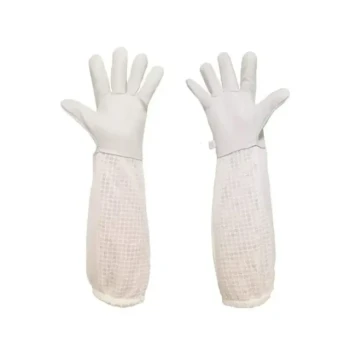
- Premium Ventilated Goatskin Beekeeping Gloves with Full 3-Layer Mesh Sleeve
People Also Ask
- What are the characteristics of the best gloves for beekeeping? Choose Protection & Dexterity
- What are the primary purposes of using beekeeping gloves? Protect Your Hands and Ensure Apiary Hygiene
- What types of gloves are available for beekeeping? Choose the Right Protection for Your Hive
- Why is it important for beekeepers to wear gloves? Essential Safety and Confidence for Hive Management
- Why do some experienced beekeepers opt not to wear gloves? Discover the Benefits of Tactile Precision