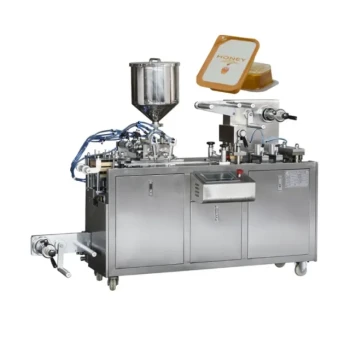
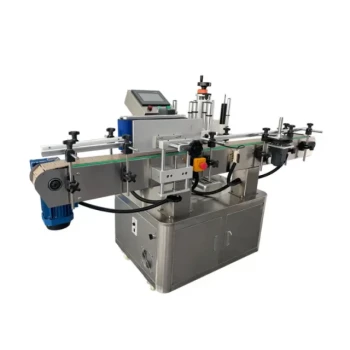
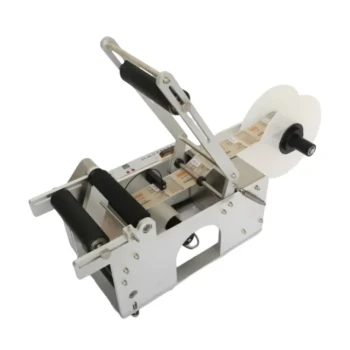
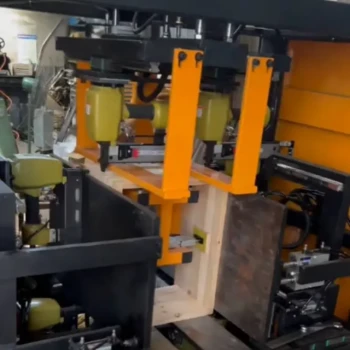
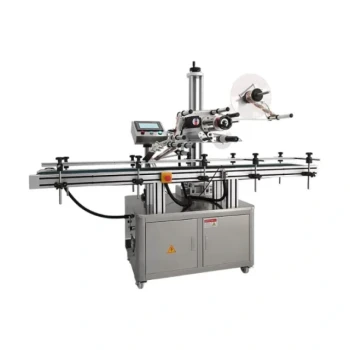
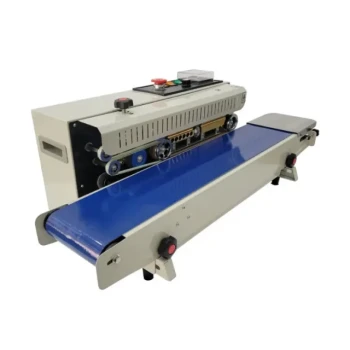
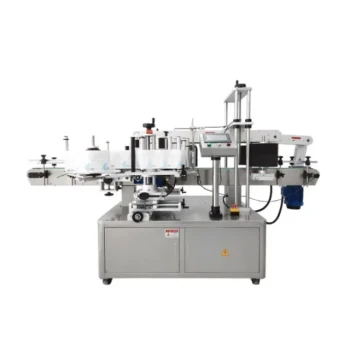
Shrink wrapping and automated crating machines act as the final, critical safeguards in the honey supply chain. These systems optimize logistics by providing essential structural reinforcement that prevents jar breakage during long-haul sea freight and standardizing package dimensions to maximize shipping container space. For distributors and wholesalers, this translates directly into lower per-unit export costs and a significant reduction in insurance claims related to product loss.
Automated secondary packaging solutions transform honey logistics from a potential bottleneck into a competitive advantage by ensuring product integrity and maximizing transport efficiency across international borders.
Protecting Product Integrity in Global Transit
Eliminating Breakage via Structural Reinforcement
Shrink wrapping applies a tight, uniform layer of tension around finished honey products, significantly increasing their impact resistance. This stabilization prevents individual bottles or jars from shifting during the turbulence of sea freight, which is the primary cause of glass breakage and leakage.
Maintaining Hygiene and Seal Integrity
While primary filling machines handle the honey, automated crating and wrapping ensure the hermetic seals remain undisturbed during handling. By shielding the primary packaging from dust and moisture, these machines help maintain the high hygiene standards required to prevent secondary contamination or fermentation in humid tropical climates.
Extending Shelf Life Through Stability
Automated systems ensure that the airtight sealing achieved during the filling process is not compromised by physical stress during palletization. This stability is essential for maintaining product purity and transparency, ensuring the honey meets strict international food safety standards upon arrival at the destination.
Maximizing Export Efficiency and Cost-Effectiveness
Optimizing Shipping Container Utilization
Standardized, automated crating creates uniform dimensions for every pallet, allowing for mathematically optimized stacking within shipping containers. This maximizes the volume of honey transported per shipment, effectively reducing unit export costs and enhancing the price competitiveness of the product in global markets.
Supporting High-Throughput Fulfillment
For B2B resellers requiring rapid response times, automated crating provides the high-volume throughput necessary to meet large-scale export demands. These machines eliminate the manual labor bottlenecks that often slow down the transition from production line to shipping dock.
Reducing Labor Costs and Human Error
Automated systems provide a consistent output that manual packing cannot match, reducing the risk of incorrectly secured loads. By minimizing the reliance on manual handling, exporters can offer more reliable delivery schedules and professional-grade packaging that meets the entry requirements of high-end retail channels.
Understanding the Trade-offs
Initial Capital Expenditure vs. Long-Term ROI
The primary hurdle for many operations is the significant upfront investment required for high-speed crating and wrapping lines. However, for distributors focused on scaling, the reduction in product loss and labor expenses typically offsets these costs within a few years of high-volume operation.
Plastic Usage and Sustainability Goals
While shrink wrapping provides superior protection, it increases the use of single-use plastics, which may conflict with certain "green" brand identities. Exporters must weigh the environmental impact of plastic against the environmental (and financial) cost of lost product resulting from inadequate protection during transit.
Complexity of Maintenance
Automated machines require specialized technical expertise to maintain and repair, which can lead to downtime if local support is unavailable. Choosing a partner with deep professional industry expertise and a robust spare parts supply chain is critical to preventing logistics delays.
Making the Right Choice for Your Goal
How to Apply This to Your Logistics Strategy
Successfully scaling a honey export business requires balancing protection with efficiency based on your specific market tier and volume.
- If your primary focus is reducing product loss during long-haul transit: Invest in high-tension shrink wrapping systems to provide maximum structural reinforcement for glass containers.
- If your primary focus is maximizing profit margins on high-volume exports: Prioritize automated crating machines that produce standardized, stackable dimensions to lower your per-unit shipping costs.
- If your primary focus is entering high-end retail markets: Ensure your secondary packaging automation maintains the cleanliness and professional appearance of the primary labels and seals.
- If your primary focus is rapid order fulfillment for B2B partners: Opt for fully integrated end-of-line automation to ensure your processing speed matches your shipping deadlines.
By integrating professional-grade secondary packaging, honey exporters can transition from being raw material suppliers to becoming high-value manufacturers capable of dominating the international retail landscape.
Summary Table:
| Optimization Factor | Key Technical Benefit | Impact on Export & Logistics |
|---|---|---|
| Shrink Wrapping | High-tension structural reinforcement | Prevents jar breakage and leakage during sea freight. |
| Automated Crating | Standardized package dimensions | Maximizes container utilization and lowers per-unit shipping costs. |
| End-of-Line Speed | High-throughput fulfillment | Eliminates labor bottlenecks and ensures rapid B2B order delivery. |
| Seal Protection | Shielding primary packaging | Maintains hygiene and prevents contamination in humid climates. |
| Process Consistency | Reduced human error | Higher reliability for retail entry and fewer insurance claims. |
Scale Your Honey Export Business with HONESTBEE
Maximize your profit margins and supply chain reliability with HONESTBEE, your premium partner for one-stop sourcing. We cater to commercial apiaries and B2B distributors with a comprehensive, full-spectrum product portfolio—from advanced honey-filling and automated packaging machines to essential industry consumables.
Why choose HONESTBEE?
- Deep Professional Expertise: Expertly engineered solutions for high-volume honey production.
- Efficiency & Speed: Rapid response times and ultra-fast delivery to keep your fulfillment lines moving.
- Global Support: Dedicated customer service focused on helping you dominate the international retail landscape.
Ready to transform your logistics into a competitive advantage? Contact our team today for wholesale pricing and expert consulting!
References
- Валерій Жук, О. С. Скуратов. ЕКСПОРТ УКРАЇНСЬКОГО МЕДУ: ОСОБЛИВОСТІ ОРГАНІЗАЦІЇ ТА ОПОДАТКУВАННЯ. DOI: 10.32702/2306-6792.2024.20.4
This article is also based on technical information from HonestBee Knowledge Base .
Related Products
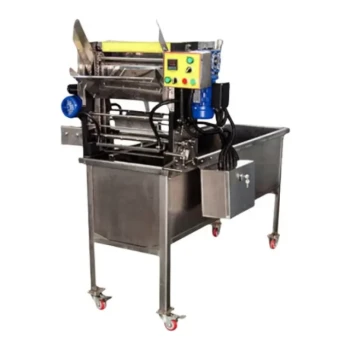
- Automatic Honey Frame Uncapper Machine for Beekeeping
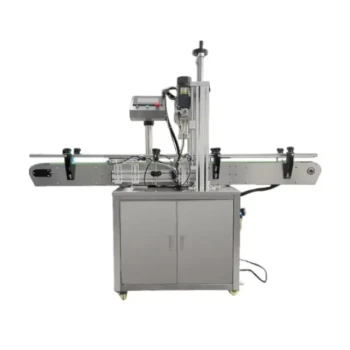
- Automatic Inline Spindle Bottle Capping Machine for Honey Production
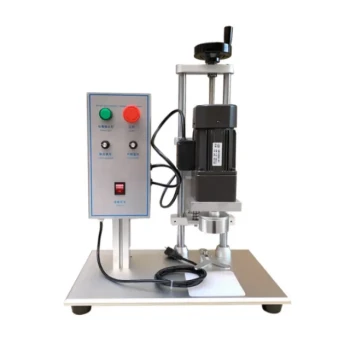
- Semi Automatic Electric Bottle Capping Machine
- Electric Flatting and Embossing Machine with Tray for Beekeeping
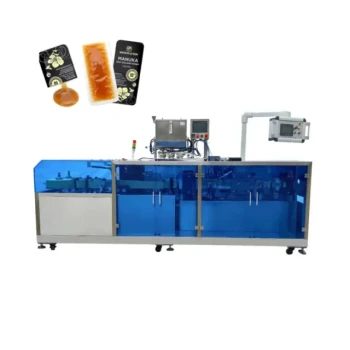
- Automatic Single-Dose Snap & Squeeze Honey Sachets Packing Machine
People Also Ask
- What is the primary goal when choosing an uncapping method? Maximize Honey Yield & Comb Integrity
- What is the process of uncapping frames in beekeeping? Master the Best Methods for Maximum Honey Yield
- How are honey frames prepared before extraction? Master the Hive-to-Honey-House Process
- What is the process of uncapping honey frames before extraction? Expert Guide to Efficient Honey Harvesting
- What specialized tools are used to uncap honey frames prior to extraction? Top Uncapping Tools for Efficient Harvesting