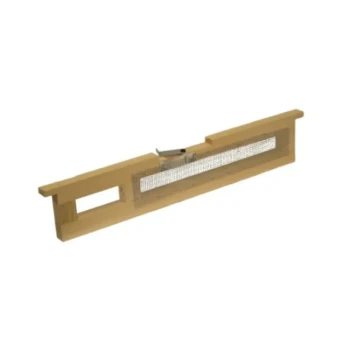
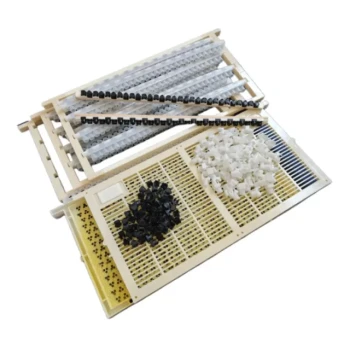
Specialized queen rearing frames and temperature-controlled incubation tools serve as the technical backbone for systematic colony renewal and stability. By facilitating the production of high-quality young queens with robust egg-laying capabilities, these tools allow beekeepers to proactively replace aging queens—a primary risk factor for colony collapse—thereby ensuring consistent population growth and long-term yield sustainability.
By shifting reproduction from an unpredictable natural process to a controlled technical workflow, these tools allow beekeepers to maintain vital foraging populations and secure the economic resilience of their apiaries against environmental stressors.
Mitigating the Risk of Colony Collapse
The primary threat to the sustainability of a beehive is often the natural aging process of its queen.
The Critical Role of Queen Renewal
The age of a queen bee is a central risk factor for both yield decline and total colony collapse. As queens age, their pheromone production and egg-laying consistency degrade, leading to weaker colonies.
Proactive Population Management
Using specialized rearing equipment enables beekeepers to intervene before a colony fails. By replacing aging queens every one to two years, you ensure the hive maintains maximum vitality and a sufficiently large foraging population to gather nectar.
Ensuring Reproductive Quality
Temperature-controlled incubation is not a luxury; it is a quality control mechanism. Precise thermal regulation during the pupal stage ensures that the resulting queens have fully developed reproductive systems, directly translating to robust egg-laying capabilities once introduced to the hive.
Transitioning to Systematic Breeding
Sustainability requires moving away from passive methods, such as catching wild swarms, toward proactive management.
Moving Beyond Wild Capture
Reliance on capturing wild swarms or natural colony splitting is inefficient and unpredictable. Specialized tools allow for artificial control over reproduction, ensuring a steady expansion of the operation regardless of external environmental triggers.
Selecting for Superior Genetics
Advanced rearing tools enable the isolation and propagation of specific genetic traits. Beekeepers can target colonies with high disease resistance and superior honey production, breeding subsequent generations that are naturally more resilient and productive.
Standardization of Production
Using standardized frames and grafting tools minimizes physical damage to larvae during transfer. This precision increases the success rate of queen rearing, converting a complex biological process into a manageable, scalable technical workflow.
Understanding the Trade-offs
While specialized tools offer significant advantages, they introduce specific challenges that must be managed to ensure true sustainability.
The Cost vs. Resilience Paradox
Imported, industrial-grade equipment can create a high barrier to entry and supply chain dependency. For broad sustainability, particularly in developing regions, it is beneficial to adapt equipment using locally available materials where possible to reduce initial investment costs and enhance system resilience.
Technical Complexity
Moving from natural beekeeping to artificial queen rearing increases the requirement for technical knowledge. Success relies not just on the tools, but on the operator’s ability to manage strict hygiene standards and precise schedules to prevent larval damage.
Making the Right Choice for Your Goal
The adoption of these tools should be driven by the specific operational needs of your apiary.
- If your primary focus is Colony Stability: Prioritize replacing queens every one to two years to eliminate the risks associated with aging reproductive stock.
- If your primary focus is Genetic Improvement: Use precision grafting tools to isolate larvae from your most disease-resistant hives to breed superior future generations.
- If your primary focus is Scalability: Implement temperature-controlled incubation to synchronize the hatching of large batches of queens for simultaneous colony expansion.
True sustainability in beekeeping is achieved when technical precision meets biological needs, creating a cycle of renewal that protects the hive against decline.
Summary Table:
| Tool Type | Core Function | Impact on Sustainability |
|---|---|---|
| Rearing Frames | Facilitates precise larval grafting | Standardizes production & reduces damage to young queens |
| Incubation Tools | Maintains precise thermal regulation | Ensures robust reproductive development & higher success rates |
| Grafting Tools | Artificial selection of larvae | Enables breeding for disease resistance & high honey yield |
| Renewal Schedule | Systematic queen replacement | Prevents colony collapse by mitigating risks of aging queens |
Elevate Your Apiary’s Resilience with HONESTBEE
Sustainability in beekeeping begins with the right technical foundation. HONESTBEE empowers commercial apiaries and global distributors with professional-grade equipment designed to transform unpredictable natural processes into a reliable, high-yield workflow.
Our comprehensive wholesale portfolio includes:
- Advanced Queen Rearing Systems: Precision frames and grafting tools to ensure genetic superiority.
- Climate-Controlled Equipment: High-performance incubation tools for robust colony renewal.
- Commercial Machinery: From hive-making to honey-filling machines and essential consumables.
Whether you are scaling a commercial operation or supplying the next generation of beekeepers, we provide the hardware and expertise you need to succeed.
Contact HONESTBEE Today for Wholesale Solutions
References
- Alperen Varalan, Mustafa Bahadır ÇEVRİMLİ. Arıcılık sektöründeki risk faktörlerinin incelenmesi. DOI: 10.33188/vetheder.1246102
This article is also based on technical information from HonestBee Knowledge Base .
Related Products
- JZBZ Langstroth Queen Rearing Frame for Beekeeping
- Stainless Steel Beekeeping Queen Grafting Tool for Honey Bee Rearing
- Plastic Chinese Queen Grafting Tool for Bee Queen Rearing
- Professional Wooden Requeening Frame for Beekeeping
- Plastic Beekeeping Honey Bee Larvae Grafting Tools for Queen Rearing and Chinese Grafting
People Also Ask
- Why use finishing colonies for queen cell capping? Secrets to Superior Queen Quality and Performance
- How do queen rearing frames and grafting needles function together? Master the Doolittle Method for High-Quality Queens
- What is the purpose of queen rearing frames? Master Controlled Queen Production for Your Apiary
- What are the functions of queen rearing frames and artificial queen cells? Master Bee Genetic Improvement
- What roles do professional queen rearing frames and artificial queen cells play? Scaling Your Queen Bee Production