An entrance feeder is an external feeding device designed to supply syrup or water to a honey bee colony without disturbing the hive structure.
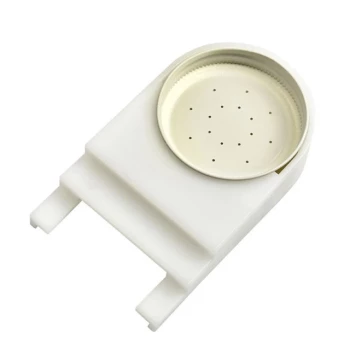
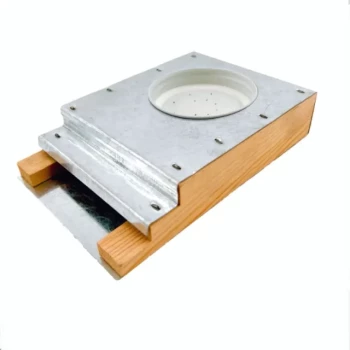
It typically consists of a jar (often a standard mason jar) inverted onto a wooden or plastic platform that slides directly into the hive's entrance. The bees access the liquid through perforations in the jar's lid, allowing them to feed from underneath while the reservoir remains visible from the outside.
Core Takeaway While entrance feeders offer the unmatched convenience of monitoring feed levels without opening the hive, they introduce significant risks by exposing the syrup to potential robbers, pests, and freezing temperatures.
Understanding the Operational Benefits
Instant Visual Monitoring
The primary advantage of this system is visibility. Because the jar sits outside the hive body, you can check food levels at a glance.
This eliminates the need to smoke the bees, crack the propolis seal, or open the hive, which preserves the colony's internal temperature and reduces stress.
Ease of Refilling
Maintenance is incredibly efficient. When the feed runs low, you simply unscrew the jar from the external platform and replace it.
This process takes seconds and minimizes your direct contact with the bees, making it a user-friendly option for beginners or for quick tasks like adding water in the spring.
Cost Effectiveness
These units are generally inexpensive compared to complex internal hive top or frame feeders. Their simple design—often just a tray and a jar—makes them an accessible entry point for feeding management.
Critical Vulnerabilities and Risks
The "Robber Bee" Phenomenon
The most significant disadvantage is the potential to incite robbing. Because the syrup source is located at the entrance, the scent of sugar radiates outward, attracting bees from stronger, neighboring colonies.
If a hive is weak or has a low population, it may be unable to defend this entrance, allowing aggressive invaders to steal the syrup and eventually attack the colony’s honey stores.
Susceptibility to Weather
Unlike internal feeders that benefit from the colony's ambient heat, an entrance feeder is exposed to the elements.
In cold months, the syrup is highly likely to freeze, rendering it inaccessible to the bees. Conversely, in extreme heat, the syrup can expand or spoil more rapidly due to direct sun exposure.
Pest Attraction and Capacity
The external placement acts as a lure for other pests, such as ants and small animals, seeking a sugar source.
Additionally, the capacity of standard jars is relatively small. During periods of heavy feeding, this requires the beekeeper to perform frequent refills, which can negate the convenience factor.
Understanding the Trade-offs
Convenience vs. Security
The choice to use an entrance feeder is a trade-off between the beekeeper's ease of use and the colony's security.
Internal options, such as frame feeders, are entirely contained within the hive. While they require opening the box to check levels, they drastically reduce the risk of robbing and are protected from freezing.
Suitability for Colony Strength
Entrance feeders are riskiest when used on weak hives during a "dearth" (a period with no natural nectar flow).
In these conditions, the pressure from robber bees is highest. A strong colony may defend the entrance successfully, but a new or struggling colony is often overwhelmed by the external invitation to feed.
Making the Right Choice for Your Goal
To maximize success, assess your specific environmental conditions and the strength of your colony before installing this feeder.
- If your primary focus is spring stimulation: An entrance feeder is an excellent, low-cost tool for providing water or light syrup to help a hive build up early in the season.
- If your primary focus is feeding a weak colony: Avoid this feeder; use an internal frame feeder to prevent robbing and give the bees a secure food source.
- If your primary focus is winter feeding: Do not use this device, as the liquid will freeze; rely on internal solids or fondant located near the cluster.
Select the tool that prioritizes the safety of your bees over the convenience of your workflow.
Summary Table:
| Feature | Entrance Feeder | Internal Frame/Top Feeder |
|---|---|---|
| Visibility | External (Easy to monitor) | Internal (Requires opening hive) |
| Robbing Risk | High (Scent at entrance) | Low (Contained inside) |
| Weather Impact | High (Subject to freezing/spoiling) | Low (Protected by colony heat) |
| Cost | Very Inexpensive | Moderate to High |
| Best Use | Spring stimulation/Water | Weak colonies/Winter feeding |
Scale Your Beekeeping Success with HONESTBEE
Choosing the right equipment is vital for the health of your apiary. At HONESTBEE, we specialize in supporting commercial apiaries and distributors with a comprehensive wholesale portfolio.
Whether you need reliable beekeeping tools, large-scale honey-filling machinery, or essential industry consumables, we provide the hardware and expertise to optimize your operations. From hive-making machines to honey-themed cultural merchandise, we help you deliver value to your customers and your colonies.
Ready to upgrade your supply chain? Contact us today to discuss your wholesale needs!
Related Products
- HONESTBEE Entrance Bee Feeder Professional Hive Nutrition Solution for Beekeeping
- HONESTBEE Entrance Bee Feeder Efficient Hive Front Liquid Feeding Solution for Beekeeping
- Classic Boardman Entrance Bee Feeder Hive Front Feeding Solution
- Boardman Entrance Bee Feeder Durable Galvanized Steel and Wood Construction for Beekeeping
- Professional Hive Front Entrance Bee Feeder
People Also Ask
- What types of bee feeders are available for beginners? Start with the Simple Entrance Feeder
- What are the advantages and disadvantages of using an entrance feeder for bees? Balance Convenience and Hive Security.
- What is a bee entrance feeder and what are its drawbacks? Essential Guide to Hive Security and Feeding Efficiency
- How does a bee entrance feeder work? A Simple Guide to Convenient Hive Feeding
- How to make an entrance feeder for bees? A DIY Guide for Safe & Effective Feeding