Queen cups are bowl-shaped wax structures constructed by worker bees, specifically designed to serve as the foundational cradle for rearing a new colony leader.
Unlike the thousands of hexagonal cells used for honey storage or worker brood, these cups are unique, single-purpose vessels found within the brood nest. They often sit empty and dormant until the colony decides it is time to replace the current queen or divide the colony through swarming.
Core Takeaway Queen cups act as biological "reservations" for potential future queens. They remain inactive wax bowls until a fertilized egg is introduced—either naturally by the colony or artificially by a beekeeper—triggering a massive influx of royal jelly and the structural extension of the cup into a fully developed queen cell.
The Biological Function of Queen Cups
The Transition from Cup to Cell
In their dormant state, queen cups are small, dome-shaped structures. They are distinct from the finished "peanut-shaped" queen cells most beekeepers recognize.
The cup is merely the base. Once a fertilized egg is introduced—or a decision is made to rear a queen—the worker bees begin to transform the cup. They extend the wax walls downward to accommodate the larger body size and rapid growth requirements of a royal larva.
Triggers for Activation
The primary reference notes that these cups remain empty until specific needs arise.
When a colony prepares to swarm or replace a failing queen (supersedure), the queen will lay a fertilized egg directly into these pre-built cups. Alternatively, in emergency situations where a queen is suddenly lost, worker bees may modify an existing standard worker cell, expanding it into a queen cup to save the colony.
The Role of Royal Jelly
Once the cup contains a developing larva, it becomes the focal point of the hive.
Worker bees flood the cup with royal jelly. The internal volume of the cup is critical here; it must provide enough space to hold the massive quantity of royal jelly required to trigger the anatomical changes that turn a standard female larva into a fertile queen.
Artificial Queen Cups in Beekeeping
Mimicking Nature for Scale
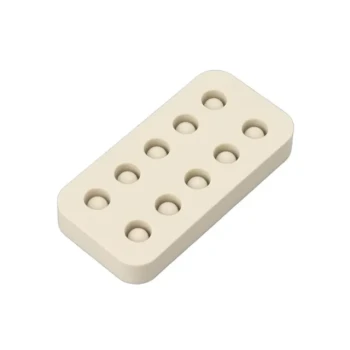
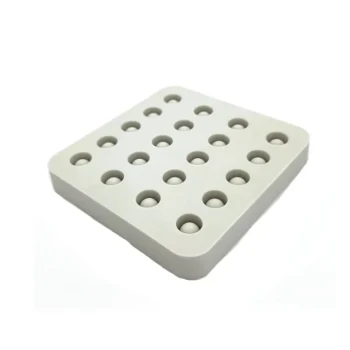
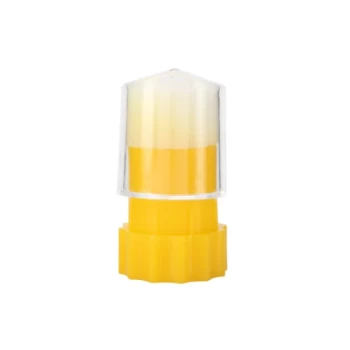
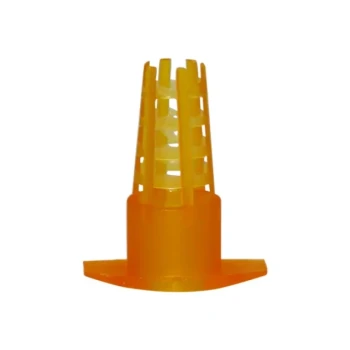
Beekeepers utilize artificial queen cups—often made of plastic or wax—to replicate the natural cell bases found in a hive.
These artificial cups are standardized substrates. By attaching multiple cups to a single grafting frame, beekeepers can rear dozens of queens simultaneously, rather than waiting for a colony to naturally build just a few.
Protecting the Larva
A critical function of the artificial cup is the physical protection of the larva during transfer.
In advanced rearing techniques, detachable cell cups allow technicians to move larvae that are less than 24 hours old without directly touching the fragile insect. The cup carries the larva and its initial bed of royal jelly, ensuring the "foundation" remains stable when introduced to a nurse colony.
Optimization of Development
The design of an artificial cup is not arbitrary.
Supplementary data indicates that the internal volume of the cup directly influences how much royal jelly can be stored. A properly sized cup ensures the larva is never starved of nutrients, leading to higher vitality and better physical development of the resulting virgin queen.
Understanding the Trade-offs
Natural vs. Artificial Construction
Natural cups are built perfectly to suit the immediate needs of the specific colony, but they are often located randomly on the comb. This makes them difficult for a beekeeper to manage or harvest without damaging the hive structure.
Artificial cups offer convenience and standardization, allowing for mass production and easy observation. However, they rely on the beekeeper's skill in grafting (transferring larvae). If the cup design (volume/depth) does not perfectly mimic nature, the bees may reject the cup or rear a lower-quality queen.
The "False Alarm" Phenomenon
The presence of natural queen cups does not always mean a new queen is imminent.
Bees frequently build "play cups" that remain empty indefinitely. This can lead to confusion for beekeepers. A cup is only a sign of swarming or replacement once it contains an egg or royal jelly.
Making the Right Choice for Your Goal
Whether you are managing a backyard hive or a breeding operation, understanding the state of the queen cup is vital.
- If your primary focus is Colony Monitoring: Check the bottom of the frames for cups; if they are empty, the colony is likely stable, but if they contain white royal jelly, swarming is imminent.
- If your primary focus is Queen Rearing: Use standardized artificial cups with proven internal volumes to ensure maximum royal jelly acceptance and high-quality queens.
- If your primary focus is Emergency Repair: Identify existing worker cells that bees have flared out into cups, as this indicates the colony is frantically trying to replace a lost queen.
The queen cup is the architectural promise of the colony's future survival.
Summary Table:
| Feature | Natural Queen Cups | Artificial Queen Cups |
|---|---|---|
| Material | Beeswax (Colony-produced) | Food-grade Plastic or Wax |
| Purpose | Swarming, Supersedure, Emergency | Commercial Mass Queen Rearing |
| Placement | Randomly on frame edges/bottom | Organized on Grafting Frames |
| Volume | Variable based on colony needs | Standardized for Optimal Nutrition |
| Key Indicator | Play cups (empty) vs. Active (egg/jelly) | High acceptance rate if sized correctly |
Scale Your Apiary with Professional-Grade Equipment
At HONESTBEE, we empower commercial apiaries and distributors with the high-precision tools needed to master the queen rearing cycle. From standardized artificial queen cups designed for maximum royal jelly retention to industrial hive-making machinery and honey-filling systems, our comprehensive wholesale portfolio covers every stage of your business.
Our Value to You:
- Comprehensive Supply: One-stop sourcing for beekeeping tools, machinery, and consumables.
- Scalability: Equipment engineered to increase output for growing honey-themed enterprises.
- Expert Quality: Specialized hardware that mimics natural biological conditions for superior bee health.
Ready to elevate your production and secure your colony’s future? Contact us today to explore our wholesale catalog.
Related Products
- Brown Nicot Queen Cell Cups for Breeding Queen Bees Beekeeping
- JZBZ Type Wide Base Plastic Queen Cell Cups for Base Mounting and Queen Rearing
- 10-Cell Silicone Beeswax Bee Queen Cups Forming Mold
- Clear Black Plain Polystyrene Queen Bee Grafting Cell Cups No Lug for Bee Queen Cup
- High-Efficiency 20-Cell Silicone Mold for Beeswax Bee Queen Cup Production
People Also Ask
- What role do specialized queen rearing tools play in developing mite-resistant honeybee stock? Master Genetic Selection
- What materials are used to make artificial queen cell cups for grafting? Beeswax vs. Plastic Guide
- What roles do specialized queen cell cups play in royal jelly production? Optimize Your Hive's Secretion and Yield
- How does the standardized depth of queen cell cups affect larval acceptance? Boost Success with 6mm Precision
- Why is a diluted royal jelly solution applied to queen cell cups? Boost Acceptance in Artificial Grafting