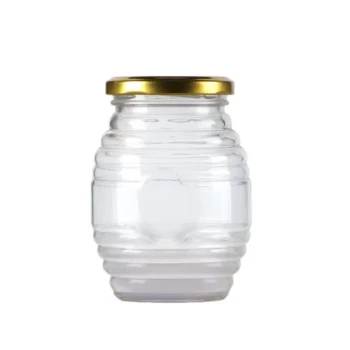
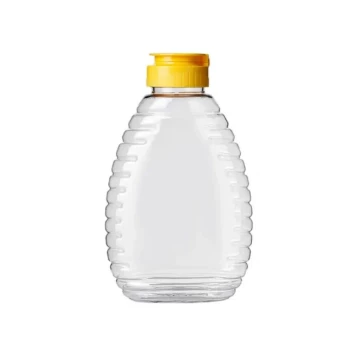
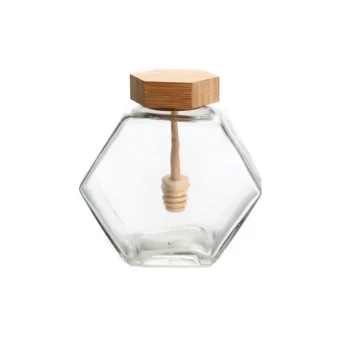
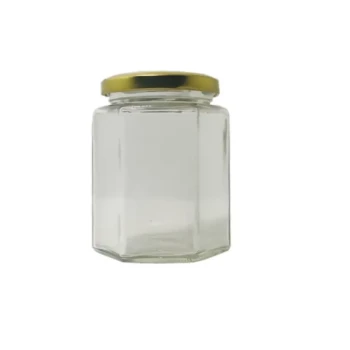
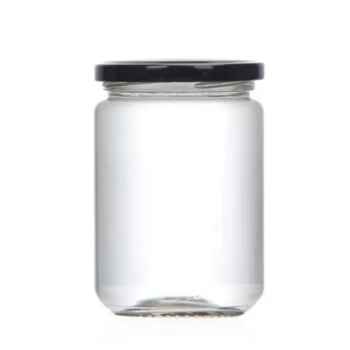
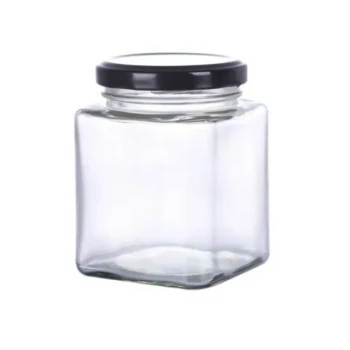
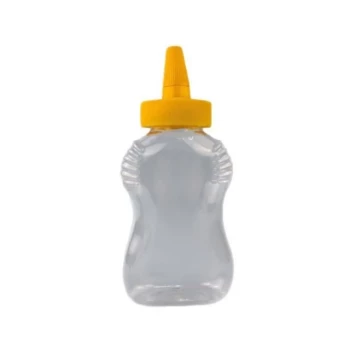
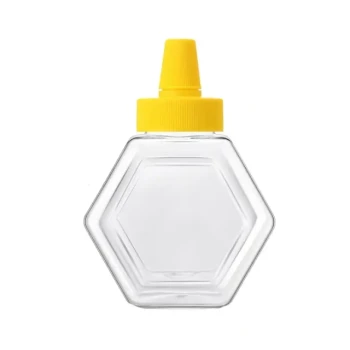
Honey packaging relies heavily on distinct jar styles, specifically the hive, queening (often called Queenline), hex, and classic designs. These containers are selected not only for their capacity but also for their ability to enhance the product's visual appeal through high transparency and unique geometries.
Core Takeaway While the shape of the jar serves branding and aesthetic purposes—ranging from traditional hive themes to modern hexagonal cuts—the material choice between glass and food-grade plastic is the deciding factor for preservation, moisture control, and ease of consumer use.
Distinctive Jar Styles and Shapes
Traditional and Thematic Designs
Honey is a product deeply rooted in nature, and packaging often reflects this. Hive jars mimic the ribbed appearance of a natural beehive, creating an immediate visual connection to the source. Similarly, Hex jars utilize a hexagonal shape derived from the honeycomb structure, offering a modern, geometric look that catches the light effectively.
The Premium Aesthetic
For higher-end markets, the Queening (or Queenline) jar is a standard choice. These are distinctively flatter and wider than cylindrical jars, designed specifically to maximize the surface area facing the customer. This shape allows light to pass through easily, showcasing the clarity and golden color of the honey.
Classic and Functional Options
Classic jars (often cylindrical or round) and Wide Mouth jars prioritize utility. The wide opening allows for easy filling during production and easy access for the consumer to scoop out viscous honey without mess. Historical designs like the Muth jar also fall into this category, often used for nostalgic or artisanal branding.
Material Considerations: Glass vs. Plastic
The Superiority of Glass for Preservation
Glass remains a dominant choice because of its inert nature. It is odorless, ensuring the honey maintains its original floral profile without absorbing container smells. Furthermore, glass provides an excellent barrier against gas and moisture, which is critical for preventing fermentation and delaying crystallization caused by water evaporation.
The Convenience of Plastic
Food-grade plastic containers, such as those made from LDPE or PET, offer distinct logistical advantages. They are significantly lighter than glass, facilitating easier distribution and reducing shipping costs. High-quality plastics still provide a sealed environment to maintain enzyme activity and flavor during long-term storage.
Squeeze Formats
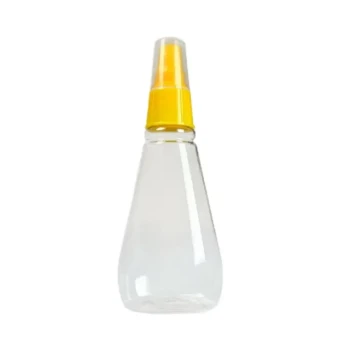
While technically bottles rather than jars, squeeze containers are a vital subset of plastic honey packaging. These often feature flip-top caps with specific orifice sizes to handle honey's viscosity. The iconic bear-shaped squeeze bottle is the most recognizable example, prioritizing durability and ease of dispensing over the rigid structure of a traditional jar.
Understanding the Trade-offs
Weight vs. Durability
Glass offers a premium feel and superior transparency but is heavy and fragile, complicating logistics. Plastic is durable and lightweight, making it safer for shipping and household use, particularly for families with children.
Viscosity and Crystallization
All raw honey eventually crystallizes. Glass jars are generally preferred for raw honey because they can be gently heated in warm water to return the honey to a liquid state. Plastic containers may deform under heat and are better suited for processed honey or varieties intended for quick consumption.
Making the Right Choice for Your Goal
Selecting the right jar depends on how you intend the consumer to interact with the product.
- If your primary focus is premium retail presentation: Choose Glass Queenline or Hex jars, as their shapes and high transparency best display the honey's color and purity.
- If your primary focus is consumer convenience: Opt for Plastic Squeeze bottles (like the Bear) with flip-top caps to allow for mess-free dispensing.
- If your primary focus is shelf life and flavor preservation: Prioritize Glass packaging, as its odorless and moisture-resistant properties offer the best protection against fermentation and spoilage.
The ideal container balances the biological needs of the honey with the practical needs of the user.
Summary Table:
| Jar Style | Key Feature | Best For |
|---|---|---|
| Queenline | Flat, wide surface area | Premium retail & color display |
| Hexagonal | Honeycomb-inspired shape | Modern branding & gift sets |
| Hive / Ribbed | Thematic beehive design | Artisanal & farm-stall sales |
| Muth / Classic | Nostalgic cylindrical form | Traditional or vintage branding |
| Plastic Squeeze | Lightweight & mess-free | Everyday convenience & families |
Elevate Your Honey Brand with HONESTBEE
At HONESTBEE, we understand that the right packaging is as important as the honey itself. We cater to commercial apiaries and distributors with a comprehensive wholesale offering designed to scale your business. From elegant glass jars and specialized honey-filling machines to a full spectrum of beekeeping tools and equipment, our portfolio covers everything you need to succeed in the competitive honey market.
Our Value to You:
- One-Stop Wholesale: Access a wide array of essential industry consumables and specialized hardware.
- Operational Efficiency: Enhance your production with our high-quality honey-filling and hive-making machinery.
- Brand Growth: Differentiate your product with our unique honey-themed cultural merchandise and premium packaging solutions.
Ready to transform your honey production? Contact us today to explore our wholesale catalog and see how we can support your apiary's growth.
Related Products
- Classic Drum Shaped Glass Honey Jar with Airtight Lid
- Classic Glass Honey Jar with Metal Lug Cap for Beehive Storage
- Squeezable No-Drip Beehive-Shaped Honey Jars with Flip-Top Cap
- Hexagonal Glass Honey Jar with Wooden Lid Integrated Dipper Elegant Functional Storage
- Classic Honey Bear Jars with Flip Top Dispensing Cap for Liquid Sweeteners
People Also Ask
- What is the best utensil to store honey? Preserve Purity with the Right Container
- How does the appearance of glass jar packaging affect the sales and perception of honey? Boost Your Premium Brand Value
- Why is a glass jar preferred for packaging honey? Ultimate Protection for Purity & Flavor
- What is the aesthetic appeal of using glass jars for honey? Elevate Your Brand with Premium Packaging
- What are the advantages of glass containers for honey? Elevate Quality and Market Value with Premium Packaging