Handling and melting beeswax requires a balance of force and finesse: break large blocks while they are cold and brittle, but use gentle, indirect heat to melt them.
To process beeswax effectively without ruining its quality, you must break down large chunks with a hammer before melting the wax using a double boiler or dedicated slow cooker, strictly ensuring the temperature stays near its melting point of 147°F to preserve its color and scent.
Core Takeaway Beeswax is a flammable material that degrades quickly if overheated. The golden rule is to use indirect heat only—never an open flame—and to maintain the lowest possible temperature that allows liquefaction, ensuring both your safety and the integrity of the wax’s natural aroma.
Preparation and Equipment
Handling Large Blocks
When beeswax is cold, it becomes brittle. To manage large blocks, chill them first and then strike them with a hammer to shatter them into smaller, manageable pieces.
Dedicated Tools are Mandatory
Beeswax is notoriously difficult to remove from cookware. You must use dedicated utensils and pots specifically reserved for wax work; do not use your standard kitchenware unless you intend to sacrifice it.
Selecting Molds
As beeswax cools, it shrinks slightly. Pour liquid wax into flexible containers, such as recycled plastic cups or silicone molds, which allow you to easily pop out the solidified block later.
Safe Melting Techniques
The Double Boiler Method
Never melt beeswax directly over a burner or open flame, as it behaves like grease and can catch fire.
Use a double boiler (water bath) to apply indirect heat. This ensures the wax melts evenly without reaching dangerous temperatures.
Alternative Heating Methods
A slow cooker (crock pot) set to low or a solar melter are excellent alternatives for maintaining consistent, gentle heat.
Regardless of the method, never leave melting wax unattended.
Monitoring Temperature
Beeswax melts at approximately 147°F. Exceeding this temperature significantly can darken the wax's color and burn off its desirable, natural aroma.
Filtration and Purity
Managing Impurities
If you are rendering raw comb, wrap the chunks in cheesecloth before melting. This contains the "slumgum" (debris) while allowing the clean wax to filter through as it liquefies.
Avoiding Water Contamination
Ensure the simmering water in your double boiler does not splash into the wax. Water contamination can ruin the texture of the final product.
Critical Safety Trade-offs
The Danger of Direct Heat
While melting wax directly in a pot might seem faster, the trade-off is a high risk of flash fires. Beeswax is highly flammable; the extra time required for a water bath is a necessary cost for safety.
The Water-Wax Hazard
Never add water to a pot of wax that is already melted and hot. This can cause a violent reaction where hot wax erupts from the container, leading to severe burns.
Ventilation and PPE
Melting wax releases fumes that can be irritating. Always work in a well-ventilated area and wear gloves and goggles to protect against splashes.
Making the Right Choice for Your Goal
To ensure the best results, tailor your approach to your specific end goal:
- If your primary focus is preserving quality: Keep the temperature strictly below 150°F to retain the bright yellow color and honey-like scent.
- If your primary focus is safety: Utilize a slow cooker or solar melter to eliminate the risks associated with open stovetop flames.
- If your primary focus is efficiency: Pre-shatter the wax into very small pieces to increase surface area and reduce melting time.
Respect the material's limits, and you will produce a high-quality product without compromising safety.
Summary Table:
| Aspect | Key Recommendation | Why It Matters |
|---|---|---|
| Melting Point | 147°F (64°C) | Prevents darkening and preserves natural scent |
| Heating Method | Double Boiler / Slow Cooker | Eliminates flash fire risks from direct heat |
| Preparation | Chill & shatter with hammer | Increases surface area for faster, even melting |
| Filtration | Cheesecloth / Fine Mesh | Removes debris (slumgum) for a pure finish |
| Equipment | Dedicated wax-only tools | Wax is extremely difficult to clean from cookware |
| Mold Choice | Flexible Silicone / Plastic | Allows easy removal as wax shrinks when cooling |
Elevate Your Wax Processing with HONESTBEE
Processing high-quality beeswax requires precision tools and reliable machinery. At HONESTBEE, we specialize in supporting commercial apiaries and distributors with a comprehensive range of professional-grade beekeeping equipment. From high-efficiency honey-filling and wax-processing machines to essential consumables and specialized hardware, we provide the tools you need to scale your operations safely and efficiently.
Ready to upgrade your production? Contact us today to discover how our wholesale solutions and industry expertise can streamline your workflow and enhance your product quality.
Related Products
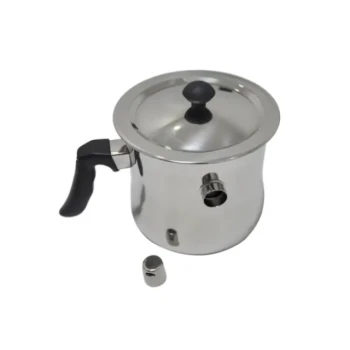
- Beeswax Melter for Candle Making Honey Bee Wax Melter
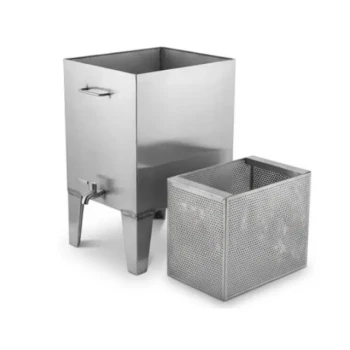
- Steam Beeswax Melter Wax Warmer for Wax Processing
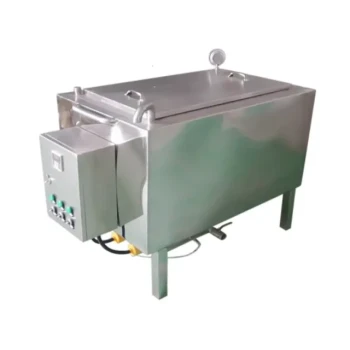
- Electric Commercial Beeswax Melter for Factory Use
- Solar Beeswax Melter Easy Solar Wax Melter for Beeswax
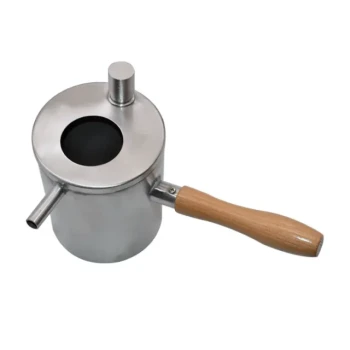
- Professional Stainless Steel Wax Melter for Beekeeping and Crafts
People Also Ask
- What is the best way to melt beeswax? Safely Preserve Quality with Indirect Heat
- What is the best way to melt beeswax? Use a Solar Wax Melter for Simple, Pure Results
- What types of beeswax melters are available for beekeepers? Choose the Right One for Your Operation
- What safety precautions should be taken when melting beeswax? A Guide to Flammable Wax Handling
- What types of beeswax melters are available for different scales of beekeeping? Solar vs. Electric Melters Compared