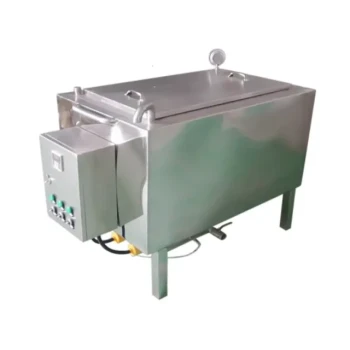
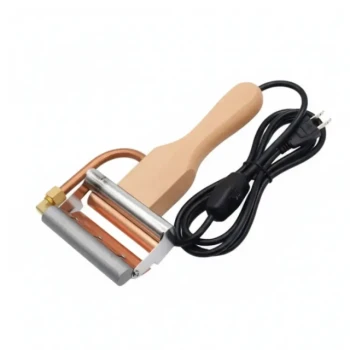
An electric wax melter is a thermal device designed to liquefy wax using electricity as its primary energy source, offering a reliable alternative to weather-dependent methods. Its architecture centers on three key components: a heating element for thermal energy, a thermostat for regulation, and an insulated enclosure to retain heat.
While solar melters rely on environmental conditions, electric wax melters utilize an active heating element and thermostat to guarantee precise temperature control and continuous operation, regardless of sunlight availability.
Core Design Components
To understand how an electric wax melter functions, it is necessary to look at the specific engineering of its internal systems.
The Heating Element
The heart of the device is the heating element, which converts electrical energy into heat.
In factory-produced models, this is typically a specialized internal dry heating element. However, in some designs, this component may be repurposed from common household appliances, such as an electric stove heater or a flatiron.
Temperature Regulation
Consistency is maintained through a thermostat.
This component automatically regulates the heat output, ensuring the wax melts efficiently without overheating or burning. This automation allows for a "set and forget" workflow that is difficult to achieve with passive heating methods.
The Containment Vessel
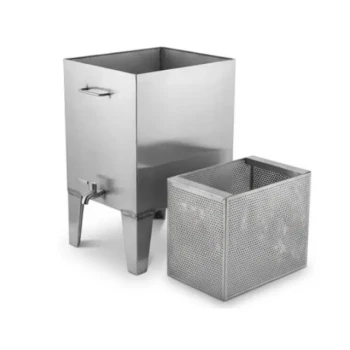
Factory-manufactured electric models are generally constructed from a stainless steel tank.
This material is chosen for its durability and heat resistance. These tanks are invariably equipped with a tap or valve, allowing the user to easily drain the purified, molten wax once the process is complete.
Internal Insulation
To maximize energy efficiency, the heating element is often insulated with aluminum sheets.
This reflects heat inward toward the wax and prevents thermal loss through the walls of the device, a principle similar to the advanced insulation found in high-efficiency solar models.
Hybrid Versatility
One of the unique design aspects of certain electric wax melters is their ability to function as combined units.
Solar-Electric Integration
Some designs mimic the structure of a solar wax melter, including a glass lid.
This allows the device to utilize passive solar energy when sunlight is available, using the electric heating element only as a backup or booster. This hybrid approach optimizes energy usage while maintaining reliability.
Understanding the Trade-offs
While electric melters offer consistency, there are distinct operational considerations compared to passive methods.
Operational Costs
Unlike solar melters, which utilize free energy, electric models incur a continuous operational cost due to electricity consumption. The speed and reliability of the melt must be weighed against this energy expense.
Component Complexity
An electric melter introduces mechanical complexity.
Components like heating elements and thermostats can degrade over time or fail, whereas a purely solar model relies on static materials and passive physics.
Making the Right Choice for Your Goal
Selecting the right melter design depends on your specific production requirements.
- If your primary focus is consistent production: Choose a factory-produced stainless steel model, as the internal thermostat and dedicated heating element guarantee workflow regardless of the weather.
- If your primary focus is energy efficiency: Look for a combined design with a glass lid, allowing you to harvest free solar energy during the day and supplement with electricity only when necessary.
By understanding the interplay between the heating element and insulation, you can select a tool that balances energy cost with processing speed.
Summary Table:
| Component | Primary Function | Key Advantage |
|---|---|---|
| Heating Element | Converts electricity to thermal energy | Reliable, weather-independent heat |
| Thermostat | Regulates internal temperature | Prevents wax overheating and burning |
| Stainless Steel Tank | Contains wax and provides durability | Easy to clean and corrosion-resistant |
| Drainage Tap/Valve | Faciliates molten wax removal | Streamlines the purification process |
| Insulation/Reflector | Minimizes thermal loss | Maximizes energy efficiency |
Elevate Your Beekeeping Operation with HONESTBEE
Are you looking to scale your honey production or upgrade your apiary’s efficiency? HONESTBEE is a leading global supplier dedicated to providing commercial apiaries and distributors with premium beekeeping solutions. From high-capacity electric wax melters and honey-filling machines to specialized hive-making equipment, we offer a comprehensive wholesale portfolio designed for professional success.
Whether you need industrial-grade machinery or essential consumables, our team is ready to support your business growth. Contact us today to explore our full catalog and bulk pricing and see why HONESTBEE is the preferred partner for beekeeping professionals worldwide.
Related Products
- Electric Commercial Beeswax Melter for Factory Use
- Electric Beeswax Foundation Machine With Operating Tray and Wax Foundation Roller
- Electric Beeswax Flat Sheet Machine with Operating Tray for Wax Processing
- Solar Beeswax Melter Easy Solar Wax Melter for Beeswax
- Steam Beeswax Melter Wax Warmer for Wax Processing
People Also Ask
- Why might a commercial beekeeper prefer an electric beeswax melter? Maximize Profit with Speed & Scale
- What safety precautions should be taken when melting beeswax? A Guide to Flammable Wax Handling
- What types of beeswax melters are available for different scales of beekeeping? Solar vs. Electric Melters Compared
- What are the three popular methods for melting beeswax? Safely Process Your Wax with Ease
- How do you melt beeswax without making a mess? Master Safe & Clean Techniques