Synthetic combs are pre-formed, artificial honeycomb structures typically manufactured from high-density polythene (plastic) or food-grade synthetic wax. Unlike traditional foundation sheets that require bees to draw out the cell walls, these combs are fully molded, meaning the colony only needs to add wax cappings to seal the cells.
By providing a fully drawn structure, synthetic combs eliminate the biological "tax" of wax production. This allows bees to immediately focus on brood rearing and resource storage, while offering the beekeeper a durable, reusable tool that withstands pests and rigorous extraction.
The Efficiency Advantage
Reducing Energy Expenditure
In a traditional setup, bees consume significant amounts of honey to produce the wax needed to build comb.
Synthetic combs bypass this energy-intensive process. Because the cell walls are already formed, the bees conserve energy that can be redirected toward foraging and honey production.
Immediate Colony Expansion
A major bottleneck for new colonies, such as package bees or nucs, is the lack of drawn comb.
Synthetic combs provide immediate space for the queen to lay eggs or for workers to store nectar. This utility significantly accelerates the progress and stability of a newly installed colony.
Durability and Management
Structural Integrity During Extraction
Natural wax comb is fragile and can "blow out" or break when spun at high speeds in a honey extractor.
The high-density polythene construction of synthetic combs prevents this damage. This rigidity allows for higher extraction speeds, ensuring you can extract more honey from the frames without destroying the comb structure.
Resistance to Pests
Wax moths are a destructive pest that burrow through and destroy natural honeycomb.
Synthetic combs offer high resistance to wax moth attacks. Because the core structure is not made of natural beeswax, the larvae cannot easily destroy the structural integrity of the frame.
Ease of Sterilization
Disease management often requires the destruction of infected wooden or wax equipment.
Synthetic combs offer a distinct advantage here: they allow for easy sterilization. Because the material is durable plastic, the combs can be cleaned and reused in scenarios where natural wax would have to be melted down or discarded.
Understanding the Trade-offs
Material Composition
While highly effective, it is important to recognize that these combs are artificial.
They are made from high-density polythene or synthetic wax blends. While designed to be food-grade and safe, they introduce a permanent artificial material into the hive environment, unlike natural wax which is cycled by the bees.
Acceptance Factors
The primary reference notes that bees only need to add caps, but the structure is rigid.
Beekeepers should monitor colonies to ensure they adapt to the pre-molded cells, as the texture and rigidity differ from the soft, pliable nature of natural beeswax.
Making the Right Choice for Your Goal
Whether you choose synthetic comb depends on your specific operational needs and philosophy.
- If your primary focus is rapid production: Use synthetic combs to eliminate the time bees spend building wax, allowing for immediate honey storage and faster extraction speeds.
- If your primary focus is equipment longevity: Choose synthetic combs for their resistance to wax moths and their ability to withstand repeated, high-speed extraction cycles without breakage.
- If your primary focus is disease management: Utilize synthetic combs for their ability to be sterilized and reused, providing a hygienic reset for the hive.
Synthetic combs represent a shift from biological construction to mechanical efficiency, offering a durable solution for maximizing hive output.
Summary Table:
| Feature | Traditional Wax Foundation | Synthetic (Plastic) Combs |
|---|---|---|
| Energy Requirement | High (Bees must draw wax) | Zero (Pre-formed structure) |
| Durability | Fragile; prone to 'blow outs' | High-density; withstands high-speed extraction |
| Pest Resistance | Highly susceptible to wax moths | Highly resistant to wax moth damage |
| Maintenance | Requires melting/replacement | Easy sterilization and reuse |
| Colony Expansion | Slower (Limited by wax production) | Immediate (Ready for brood or nectar) |
Maximize Your Apiary's Productivity with HONESTBEE
Are you looking to scale your commercial beekeeping operation or stock the latest in high-efficiency equipment for your distributorship? HONESTBEE is your premier partner for professional-grade beekeeping solutions. From durable synthetic combs and specialized hive-making machinery to advanced honey-filling systems, we provide the tools you need to reduce labor and increase yield.
As a comprehensive wholesale provider, we cater specifically to the needs of large-scale apiaries and global distributors with a full spectrum of hardware and industry consumables. Contact us today to learn how our premium equipment can streamline your production and grow your business!
Related Products
- Plastic Bee Pollen Trap Strips Comb Catcher Collector
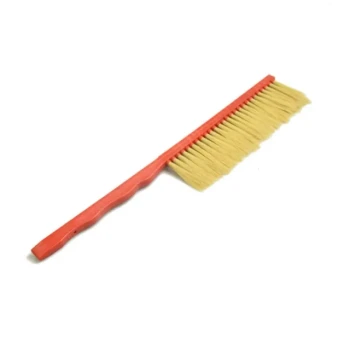
- Plastic Handle Single Row Artificial Fiber Bee Brush
- Professional Long-Handled Silicone Honey Scraper for Beekeeping
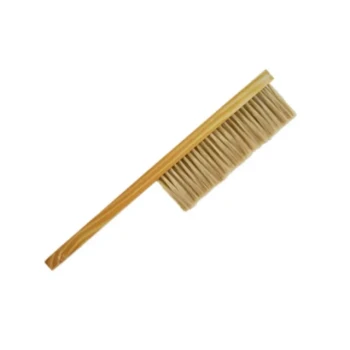
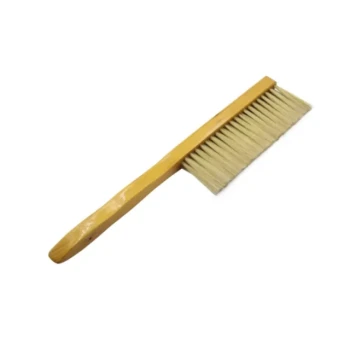
- Double Row Artificial Fiber Bee Brush for Beekeeping
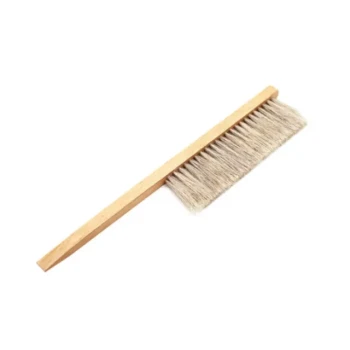
- Wooden Bee Brush with Double-Row Horsehair Bristles
People Also Ask
- For what reasons do beekeepers collect bee pollen? Boost Hive Health and Unlock New Revenue Streams
- What are the design principles and advantages of pollen traps in the collection of bee pollen? Boost Your Apiary Yield
- What are the ideal weather conditions for installing a bee pollen trap? Ensure Colony Safety with Expert Timing
- Why is frequent harvesting of bee pollen from traps necessary for quality control? Ensure Freshness and Prevent Mold.
- What are the primary functions of a standard pollen trap in research? Maximize Data Accuracy in Bee Nutrition Studies