Wearing gloves while handling honey bee frames creates a direct trade-off between operator safety and handling precision. While gloves provide essential protection against stings and increase beekeeper confidence, they significantly impair the manual dexterity required for delicate tasks. This reduction in tactile sensitivity often leads to clumsy movements, increasing the risk of accidentally crushing or injuring the bees during inspection.
The decision to wear gloves balances the beekeeper's need for protection against the colony's need for gentle handling. While gloves prevent stings, they dampen the sensory feedback necessary to avoid harming the bees.
The Advantages of Wearing Gloves
Protection from Stings
The most obvious benefit of wearing gloves is the physical barrier they provide. They effectively shield the hands from stings, which is particularly important for those allergic to venom or wary of pain.
Confidence with Agitated Hives
Gloves can provide a necessary psychological boost. When dealing with aggressive or agitated hives, the assurance of protection allows the beekeeper to remain calm and focused rather than reacting fearfully to potential stings.
Standard Safety Precaution
Keeping protective gloves on hand is a recognized standard safety measure. Even for experienced beekeepers, having them available ensures you are prepared for unexpected aggressive behavior from the colony.
The Disadvantages of Wearing Gloves
Impaired Coordination
Gloves act as an insulator against tactile feedback, reducing manual dexterity. This makes it difficult to perform the fine motor skills required to lift and manipulate frames smoothly.
Risk of Crushing Bees
The loss of sensitivity means you cannot feel the bees moving under your fingers. This lack of feedback frequently results in accidentally crushing or hurting bees, which releases alarm pheromones and can further agitate the hive.
Reduced Precision
Bare hands allow for the most precise movement possible. By wearing gloves, you sacrifice the delicate touch needed to navigate the tight spaces within a hive without disrupting the colony structure.
Understanding the Trade-offs
Safety vs. Sensitivity
Beekeeping requires a balance between protecting yourself and protecting your livestock. While bare hands prioritize the safety of the individual bees through precise handling, they leave the beekeeper exposed.
The Learning Curve
Reliance on gloves can sometimes hinder the development of gentle handling skills. Learning to read the hive and move with deliberate care is often easier when you have full tactile contact with the frames.
Making the Right Choice for Your Goal
The choice between gloves and bare hands depends on the specific situation and the temperament of the hive you are inspecting.
- If your primary focus is maximum precision and gentleness: Work with bare hands to ensure you can feel the bees and avoid accidental crushing.
- If your primary focus is safety during an aggressive inspection: Wear protective gloves to maintain confidence and prevent stings from agitated bees.
Ultimately, effective beekeeping is about choosing the right level of protection that allows you to work safely without compromising the well-being of the colony.
Summary Table:
| Feature | Wearing Gloves | Bare Hands |
|---|---|---|
| Protection | High; shields against stings and venom. | Low; hands are fully exposed to stings. |
| Dexterity | Reduced; difficult to perform fine tasks. | Maximum; allows for delicate movements. |
| Tactile Feedback | Minimal; hard to feel bees on frames. | High; instant sensory feedback. |
| Bee Safety | Lower; higher risk of accidental crushing. | Higher; easier to avoid harming individual bees. |
| Confidence | Higher; reduces fear of aggressive hives. | Variable; requires calm and experience. |
Elevate Your Apiary Operations with HONESTBEE
Whether you prioritize the maximum precision of bare-handed work or the robust protection of high-quality gloves, HONESTBEE provides the professional-grade tools your business needs. As a leading wholesale partner for commercial apiaries and distributors, we offer a comprehensive range of beekeeping equipment, from specialized protective gear and hive-making machinery to honey-filling systems and cultural merchandise.
Why partner with HONESTBEE?
- Bulk Wholesale Solutions: Reliable supply chains for essential consumables and hardware.
- Industry Expertise: Equipment designed to balance operator safety with colony well-being.
- Global Reach: Supporting distributors with competitive pricing and high-performance tools.
Ready to optimize your honey production and equipment inventory? Contact us today to discuss your wholesale needs!
Related Products
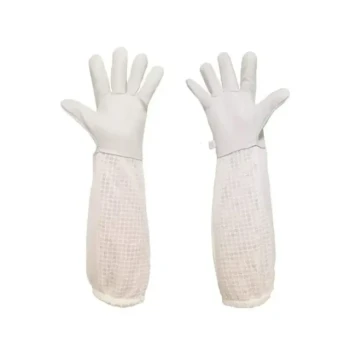
- Beekeeping Gloves Goatskin Leather with Long Cotton Sleeve for Beekeepers
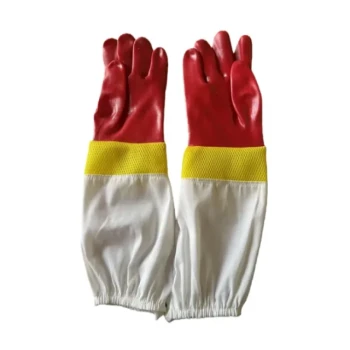
- Heavy Duty Red Rubber Beekeeping Gloves with Vented Mesh Cotton Sleeves
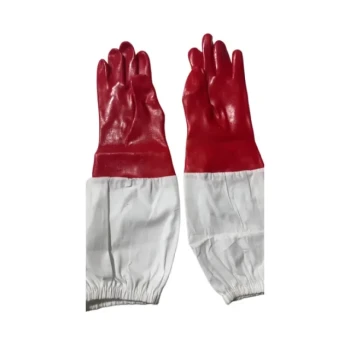
- Heavy Duty Red Rubber Beekeeping Gloves with Extended Pure Cotton Sleeves for Beekeepers
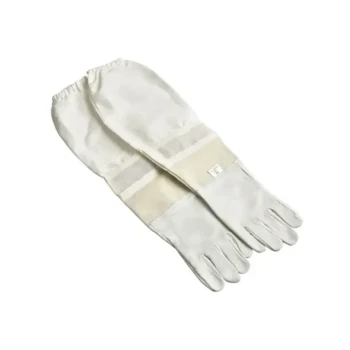
- Goatskin Leather Beekeeper Gloves with Vent Long Sleeve for Beekeeping Honey Bee Sting Proof Protection
- Premium Ventilated Goatskin Beekeeping Gloves with Full 3-Layer Mesh Sleeve
People Also Ask
- What are the characteristics of the best gloves for beekeeping? Choose Protection & Dexterity
- What are the primary purposes of using beekeeping gloves? Protect Your Hands and Ensure Apiary Hygiene
- What types of gloves are available for beekeeping? Choose the Right Protection for Your Hive
- Why is it important for beekeepers to wear gloves? Essential Safety and Confidence for Hive Management
- Why do some experienced beekeepers opt not to wear gloves? Discover the Benefits of Tactile Precision