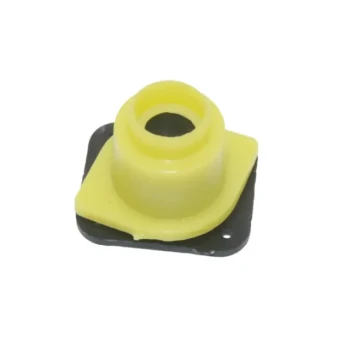
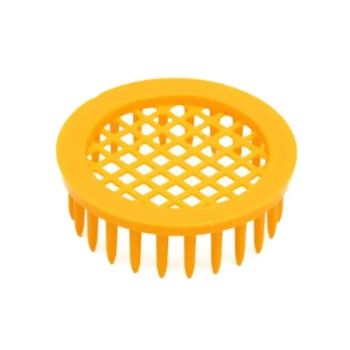
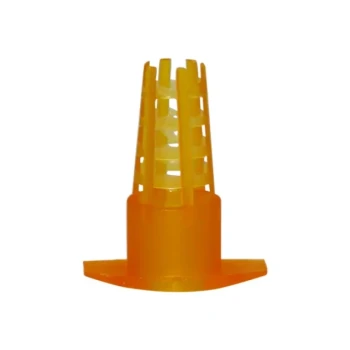
Plastic queen cell cups provide distinct operational advantages defined by standardization and durability. Compared to traditional wax methods, plastic cups offer a uniform 8-9mm geometric dimension that streamlines large-scale operations, while their physical resilience allows for easier cleaning, disinfection, and repeated use without the risk of deformation.
While traditional wax cups closely mimic nature, plastic cups introduce industrial reliability. They transform queen rearing from a delicate, variable process into a consistent, scalable workflow by eliminating the fragility and irregularity of handmade cups.
The Operational Advantages of Plastic
Standardization and Consistency
Uniform geometry is the foundation of scale. Unlike handmade wax cups, which inevitably vary in shape and thickness, plastic cups are manufactured to precise dimensions (typically 8-9mm).
This consistency simplifies the bees' work. The uniform shape mimics the base of a natural queen cell, providing a predictable structure for nurse bees to build upon and secrete royal jelly.
Durability and Handling
Plastic eliminates the risk of deformation. Traditional wax cups are fragile and easily crushed during the delicate grafting process or when mounting them onto rearing frames.
Enhanced protection for the larvae. The rigid structure of plastic offers superior physical protection against mechanical damage during handling, transportation, and installation.
Streamlined workflow. Because the cups are robust, they facilitate faster mounting onto wooden bars and grafting frames, significantly improving the speed of batch operations.
Sanitation and Reusability
Ease of cleaning is a major efficiency driver. High-quality plastic cups are designed to be cleaned, disinfected, and reused across multiple seasons.
Reduced labor. Unlike wax cups, which often require reforming or extensive repair after use, plastic cups retain their shape, requiring only sterilization before the next grafting cycle.
Understanding the Trade-offs
Biological Acceptance vs. Durability
Bees naturally prefer wax. It is important to note that natural beeswax cups align more closely with the biological instincts of honeybees (particularly Apis cerana), often resulting in higher initial acceptance rates and potentially superior virgin queen morphology.
The "Hybrid" Solution. To mitigate this, a common best practice is to coat plastic cups in a thin layer of molten beeswax. This technique combines the structural reliability of plastic with the chemical familiarity of wax, encouraging nurse bees to accept the artificial cup as part of the hive environment.
Making the Right Choice for Your Goal
To select the best tool for your apiary, consider your scale and priorities:
- If your primary focus is large-scale production: Prioritize plastic cups for their uniform dimensions and reusability, which minimize labor and maximize batch consistency.
- If your primary focus is strictly biological mimicry: Consider using traditional wax or heavily coating your plastic cups to maximize initial acceptance rates by nurse bees.
- If your primary focus is workflow efficiency: Switch to plastic to eliminate the time spent crafting cups and to reduce larval loss caused by handling damage.
Ultimately, plastic cups are the superior choice for beekeepers seeking to professionalize their operation through consistency, while wax remains a viable artisanal alternative.
Summary Table:
| Feature | Plastic Queen Cell Cups | Traditional Wax Cell Cups |
|---|---|---|
| Dimensional Stability | High (Uniform 8-9mm geometry) | Low (Handmade variability) |
| Durability | Rigid; resistant to deformation | Fragile; easily crushed |
| Reusability | Multiple seasons after sterilization | Single-use or requires reforming |
| Labor Intensity | Low (Ready for mounting) | High (Requires crafting/dipping) |
| Biological Acceptance | Requires wax-coating for best results | Natural; high initial acceptance |
| Best Used For | Large-scale commercial apiaries | Small-scale or artisanal rearing |
Maximize Your Queen Rearing Efficiency with HONESTBEE
Transitioning to professional-grade tools is essential for scaling your apiary operations. At HONESTBEE, we specialize in supporting commercial apiaries and distributors with a comprehensive range of high-durability beekeeping equipment. From precision-molded plastic cell cups to advanced honey-filling machines and specialized hive-making hardware, our portfolio is designed to enhance your workflow and ensure consistent output.
Partner with HONESTBEE to access wholesale pricing and industry-leading beekeeping technology.
Contact Us to Optimize Your Operation
References
- Ralph Büchler, J. Wilde. Standard methods for rearing and selection of<i>Apis mellifera</i>queens. DOI: 10.3896/ibra.1.52.1.07
This article is also based on technical information from HonestBee Knowledge Base .
Related Products
- JZBZ Type Wide Base Plastic Queen Cell Cups for Base Mounting and Queen Rearing
- Clear Black Plain Polystyrene Queen Bee Grafting Cell Cups No Lug for Bee Queen Cup
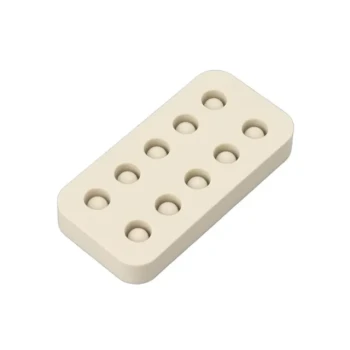
- 10-Cell Silicone Beeswax Bee Queen Cups Forming Mold
- Brown Nicot Queen Cell Cups for Breeding Queen Bees Beekeeping
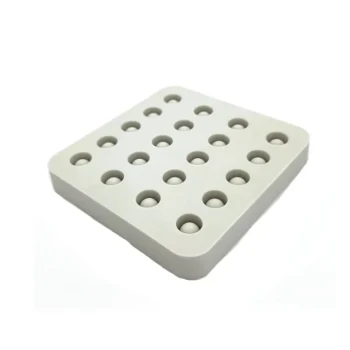
- High-Efficiency 20-Cell Silicone Mold for Beeswax Bee Queen Cup Production
People Also Ask
- What are the primary advantages of using plastic queen cell cups? The Industrial Choice for High-Efficiency Apiaries
- What technical advantages do commercial plastic queen cell cups offer? Scale Your Queen Rearing for Maximum Efficiency
- What is the function of standardized plastic Queen Cell Cups? Boost Efficiency in Commercial Larval Grafting
- Why are standardized plastic queen cell cups preferred? Boost Commercial Queen Rearing Efficiency
- Why are standardized plastic queen cell cups typically used in large-scale queen bee production? Boosting Apiary Output