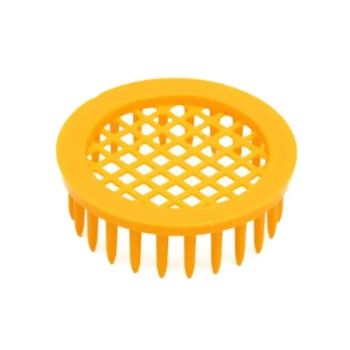
Plastic queen cups and Miller cages act as the standardized vessel and the protective shield, respectively, ensuring both the development and survival of artificially reared queens.
Plastic queen cups provide a simulated natural environment that triggers nurse bees to feed and care for grafted larvae, directly boosting survival rates. Miller cages act as isolation units placed over the cells before the queens hatch, preventing the fatal conflicts that naturally occur between virgin queens.
Core Insight Successful queen rearing requires managing two critical distinct phases: larval differentiation and virgin queen emergence. Plastic cups standardize the developmental environment to maximize acceptance, while Miller cages arrest the natural instinct of rivalry to ensure the physical safety of the new stock.
The Role of Plastic Queen Cups
Simulating the Natural Environment
The primary function of a plastic queen cup is to mimic the geometry and physical presence of a natural queen cell. By providing this specific structural cue, the cup acts as a signal to the colony's nurse bees.
This structure guides the bees to recognize the grafted larva as a potential queen. Once accepted, nurse bees initiate the "rearing impulse," depositing vast amounts of royal jelly necessary for the larva to differentiate into a queen rather than a worker.
Standardization and Hygiene
Unlike hand-dipped wax cells which can vary in thickness and shape, plastic cups offer precise uniformity. This ensures that every larva experiences the exact same micro-environment regarding space and accessibility.
Plastic cups are also reusable and fully compatible with modern grafting frames. They are easy to clean and disinfect, which is critical for maintaining high survival rates in large-scale operations.
Increasing Larval Survival
The material and shape of the cup significantly influence how readily nurse bees accept the graft. When used in conjunction with a priming dose of royal jelly, plastic cups provide a stable interface that dramatically increases the percentage of larvae that successfully reach pupation.
The Function of Miller Cages
Pre-Emergence Isolation
In nature, the first queen to emerge will typically hunt down and sting rival queens to death while they are still in their cells. The Miller cage is designed to interrupt this biological imperative.
Technicians place these cages over the sealed queen cells shortly before the queens are due to hatch. This creates a secure barrier that isolates the emerging queen from the rest of the colony and, crucially, from other emerging queens.
Preventing Colony Interference
Beyond preventing queen-on-queen combat, Miller cages protect the virgin queen from the worker bees during a vulnerable window. The cage ensures she remains unmolested until she is fully hardened and ready for introduction.
Facilitating Controlled Mating
By containing the queens individually upon emergence, Miller cages allow beekeepers to manage the timing of release. This ensures high-quality queens can be introduced to mating nuclei or recipient colonies without the risk of injury or flight prior to the intended time.
Understanding the Trade-offs
Acceptance vs. Convenience
While plastic cups are superior for standardization and ease of use, the material itself can sometimes result in lower initial acceptance rates compared to pure beeswax. Beeswax cups naturally carry the scent and texture of the hive, whereas plastic is foreign. To mitigate this, plastic cups often require "priming" with royal jelly or a coating of wax to improve acceptance.
Isolation vs. Integration
Miller cages provide safety, but they also restrict the queen's movement and interaction with the colony. If a queen is confined for too long, she may not receive adequate feeding or pheromonal interaction from the nurse bees through the mesh. Proper timing is essential; the cage is a temporary safety tool, not a long-term housing solution.
Making the Right Choice for Your Goal
To maximize your success rate in queen rearing, align your tools with your specific objectives:
- If your primary focus is consistency and scale: Prioritize plastic queen cups to ensure every larva develops in a uniform, easy-to-sanitize environment that simplifies management.
- If your primary focus is yield protection: Implement Miller cages strictly before emergence to prevent fratricide and ensure every successfully reared pupa results in a live, viable queen.
By combining the standardized development of plastic cups with the protective isolation of Miller cages, you transform a chaotic natural process into a controlled, high-yield system.
Summary Table:
| Tool | Primary Role | Key Benefit |
|---|---|---|
| Plastic Queen Cup | Standardized Vessel | Mimics natural queen cells to trigger royal jelly feeding and ensures uniform growth. |
| Miller Cage | Protective Shield | Isolates emerging queens to prevent fatal fighting (fratricide) and manages colony interaction. |
Maximize Your Apiary's Productivity with HONESTBEE
At HONESTBEE, we specialize in empowering commercial apiaries and distributors with the professional-grade tools needed for high-yield queen rearing. From precision-engineered plastic queen cups and Miller cages to advanced hive-making and honey-filling machinery, our comprehensive wholesale catalog covers every aspect of modern beekeeping.
Why partner with HONESTBEE?
- Full Spectrum Supply: One-stop sourcing for hardware, machinery, and essential consumables.
- Commercial Grade Quality: Equipment designed for the rigors of large-scale operations.
- Industry Expertise: Solutions tailored to the needs of professional beekeepers and global distributors.
Ready to scale your production? Contact us today to explore our wholesale offerings!
References
- Regina Conceição Garcia, Maricéia Ana Pickler. Honey and propolis production, hygiene and defense behaviors of two generations of Africanized honey bees. DOI: 10.1590/s0103-90162013000200003
This article is also based on technical information from HonestBee Knowledge Base .
Related Products
- JZBZ Type Wide Base Plastic Queen Cell Cups for Base Mounting and Queen Rearing
- Clear Black Plain Polystyrene Queen Bee Grafting Cell Cups No Lug for Bee Queen Cup
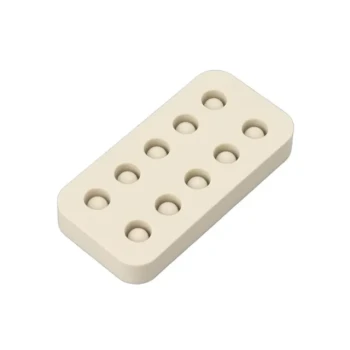
- 10-Cell Silicone Beeswax Bee Queen Cups Forming Mold
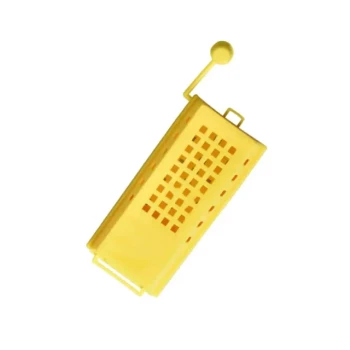
- Durable Plastic Push In Queen Bee Cage
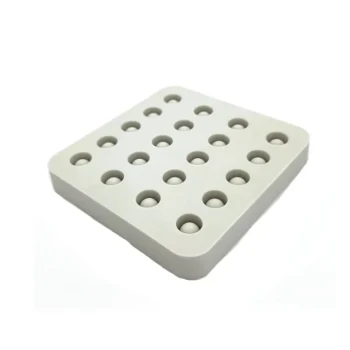
- High-Efficiency 20-Cell Silicone Mold for Beeswax Bee Queen Cup Production
People Also Ask
- What is the primary function of commercial plastic queen cell cups? Driving Efficiency in Mass Queen Rearing
- What are the primary advantages of using plastic queen cell cups? The Industrial Choice for High-Efficiency Apiaries
- What technical advantages do commercial plastic queen cell cups offer? Scale Your Queen Rearing for Maximum Efficiency
- What is the function of standardized plastic Queen Cell Cups? Boost Efficiency in Commercial Larval Grafting
- Why are standardized plastic queen cell cups preferred? Boost Commercial Queen Rearing Efficiency