Plastic queen cups function as standardized, artificial substitutes for the natural wax base of a queen cell. They are the foundational tool used in the grafting process to hold larvae of specific genetic backgrounds, inducing worker bees to treat them as potential queens. By placing these cups into a rearing colony, beekeepers trigger the mass secretion of royal jelly, ensuring the larvae develop into reproductive queens rather than worker bees.
Core Takeaway While natural queen cells vary in shape and size, plastic queen cups provide a consistent, durable environment for larval development. This standardization is critical for scaling operations, as it allows for the precise management of royal jelly volume and the efficient transmission of high-quality genetics.
Simulating the Natural Environment
Mimicking the Cell Base
The primary role of the plastic cup is to deceive the colony. The cups are designed to simulate the physical dimensions and shape of a natural queen cell base.
When a larva is grafted into this artificial cup, the worker bees perceive it as a legitimate queen-to-be. This perception is necessary to trigger the colony’s natural rearing instincts.
Inducing Royal Jelly Production
Once the worker bees accept the cup, they are induced to secrete large quantities of royal jelly.
The plastic cup acts as a receptacle for this vital substance. Because the larva floats in this nutrient-dense food, the cup facilitates the metabolic changes required to turn a fertilized egg into a reproductive queen.
Enabling Scalability and Standardization
Consistent Internal Volume
One of the most critical advantages of plastic over natural wax is consistency. The internal volume of the cup is manufactured to precise specifications.
This volume directly influences the storage capacity for royal jelly. By ensuring every larva has the exact same physical space, beekeepers can ensure uniform developmental quality across large batches of queens.
Operational Efficiency
Plastic cups are designed for mass handling. They allow for easy fixation onto wooden bars or grafting frames, often using a specialized mounting system.
This structural rigidity allows beekeepers to manage multiple groups of cells simultaneously. It streamlines the movement of cells between colonies and facilitates the large-scale collection of royal jelly.
Facilitating Genetic Control
Selective Breeding
Plastic cups are the vehicle for controlled genetic transmission. They allow the beekeeper to physically transfer larvae from a specific, high-quality mother to a rearing colony.
This separation of the "breeder" queen from the "rearer" colony is essential for modern propagation. It enables the continuous use of genetics derived from high-quality frozen sperm or superior stock without relying on the rearing colony's own genetic line.
Observation and Management
Because the cups are artificial and movable, they allow for unified management.
Beekeepers can easily observe the success rate of the grafts and the health of the larvae. Unlike natural cells hidden within the comb, these cups provide a controlled environment for monitoring queen vitality.
Understanding the Trade-offs
Acceptance Barriers
While efficient, plastic is foreign material to the hive. Unlike beeswax, which is produced by the bees themselves, plastic cups must be rigorously cleaned or "primed" by worker bees before use to ensure high acceptance rates.
Physical Limitations
The plastic cup only simulates the base of the cell. The bees must still extend the cell walls with wax to accommodate the growing pupa. If the plastic base is not properly accepted, the bees may fail to build out the rest of the structure, resulting in graft failure.
Making the Right Choice for Your Goal
When integrating plastic queen cups into your apiary management, consider your specific objectives:
- If your primary focus is Commercial Scalability: Leverage plastic cups for their durability and standardized mounting systems to streamline high-volume grafting operations.
- If your primary focus is Genetic Consistency: Use plastic cups to eliminate environmental variables (like cell size), ensuring that queen quality is driven purely by genetics and nutrition.
By using plastic queen cups, you convert the biological variability of nature into a controlled, replicable production process.
Summary Table:
| Feature | Purpose & Benefit |
|---|---|
| Physical Simulation | Mimics the base of a natural queen cell to trigger worker bees' rearing instincts. |
| Royal Jelly Hub | Acts as a standardized receptacle for mass royal jelly secretion and larval feeding. |
| Genetic Control | Enables precise grafting from high-quality breeder queens to ensure superior stock. |
| Operational Efficiency | Rigid design allows for mass handling, easy frame mounting, and uniform development. |
| Developmental Quality | Provides consistent internal volume to ensure equal nutrition for every developing queen. |
Scaling Your Apiary Operations with HONESTBEE
Are you looking to enhance your queen rearing efficiency and genetic consistency? HONESTBEE specializes in supporting commercial apiaries and distributors with high-performance beekeeping solutions.
From precision-engineered plastic queen cups and grafting tools to advanced honey-filling machines and hive-making hardware, we supply the full spectrum of industrial equipment and consumables your business needs to thrive.
Maximize your productivity and ensure superior queen quality today.
Contact HONESTBEE for Wholesale Inquiries
References
- Brandon K. Hopkins, Walter S. Sheppard. Sequential generations of honey bee (Apis mellifera) queens produced using cryopreserved semen. DOI: 10.1071/rd11088
This article is also based on technical information from HonestBee Knowledge Base .
Related Products
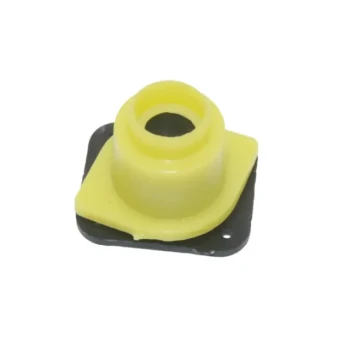
- JZBZ Type Wide Base Plastic Queen Cell Cups for Base Mounting and Queen Rearing
- Clear Black Plain Polystyrene Queen Bee Grafting Cell Cups No Lug for Bee Queen Cup
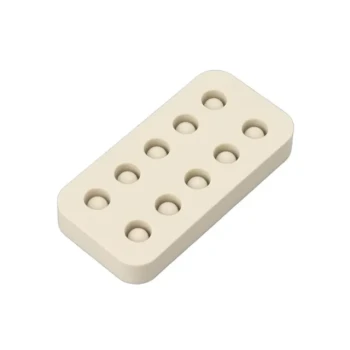
- 10-Cell Silicone Beeswax Bee Queen Cups Forming Mold
- Durable Plastic Push In Queen Bee Cage
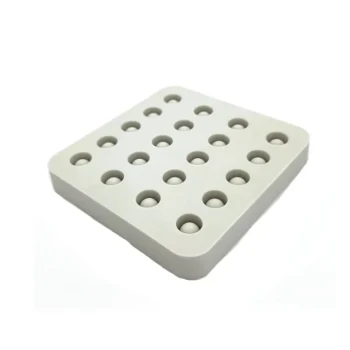
- High-Efficiency 20-Cell Silicone Mold for Beeswax Bee Queen Cup Production
People Also Ask
- What are the primary advantages of using plastic queen cell cups? The Industrial Choice for High-Efficiency Apiaries
- What technical advantages do commercial plastic queen cell cups offer? Scale Your Queen Rearing for Maximum Efficiency
- What is the function of standardized plastic Queen Cell Cups? Boost Efficiency in Commercial Larval Grafting
- Why are standardized plastic queen cell cups preferred? Boost Commercial Queen Rearing Efficiency
- Why are standardized plastic queen cell cups typically used in large-scale queen bee production? Boosting Apiary Output