The decision to wear gloves in beekeeping is a trade-off between tactile precision and operator confidence. The primary argument for using gloves is that they protect against stings, allowing the beekeeper to remain calm and avoid erratic movements that could agitate the colony. The argument against them is that they reduce manual dexterity, increasing the likelihood of clumsily handling frames and accidentally crushing bees.
The use of gloves acts as a buffer for both physical safety and psychological state. While they prevent painful stings, they dampen the sensory feedback required to handle a hive with the highest degree of gentleness.
The Case For Using Gloves
Maintaining Operator Composure
Bees are highly sensitive to movement and vibration. A nervous beekeeper with shaky or fumbling hands can trigger a defensive reaction from the colony. Gloves provide a safety net, allowing the beekeeper to move smoothly and confidently without the distraction of potential pain.
Enabling Focus on Technical Tasks
During high-intensity production periods or complex inspections, the operator must focus entirely on the workflow. Protective barriers ensure that the technician can execute precise tasks without interruption or the reflex to jerk away from a sting.
Safeguarding Beginners
For novices, the fear of being stung is a significant barrier to learning. Thick, protective gloves (often made of leather) allow beginners to observe and learn hive mechanics without the immediate anxiety of injury.
The Case Against Using Gloves
The Dexterity Deficit
Even the most advanced materials create a layer of separation between the fingers and the frame. This limits mobility and fine motor control, making it difficult to lift frames or manipulate small hive components smoothly.
Risk of Unintended Harm
Reduced tactile sensation increases the risk of accidentally crushing bees while moving equipment. Crushing a bee releases alarm pheromones, which signals the rest of the colony to attack, turning a calm inspection into a chaotic one.
Loss of Direct Feedback
Many experienced beekeepers prefer bare hands because it forces them to be slow and deliberate. Feeling the bees on the fingertips provides immediate feedback on the colony's temperament, encouraging a gentler approach that keeps the hive undisturbed.
Understanding the Trade-offs: Material Choice
Traditional Leather Gloves
These offer maximum protection and are usually recommended for beginners or when managing particularly aggressive hives. However, they suffer from the highest loss of dexterity and can make frame manipulation clumsy.
Nitrile Options
Nitrile gloves offer a strategic compromise. They are thin enough to provide high dexterity and disguise the texture of human skin—which may reduce stinging incidents—but they are not fully sting-proof. They allow for better feedback than leather but offer less security.
Making the Right Choice for Your Goal
Regardless of your personal preference, it is standard advice to keep a pair of gloves available as a backup for unexpected situations.
- If your primary focus is building confidence as a beginner: Start with thick leather gloves to eliminate fear so you can focus on learning hive mechanics without anxiety.
- If your primary focus is maximizing dexterity and minimizing bee mortality: Transition to thin nitrile gloves or bare hands to improve tactile feedback and prevent accidental crushing.
- If your primary focus is managing an agitated or aggressive hive: Prioritize full protection to ensure you can complete the necessary intervention without retreating.
Ultimately, the best protective gear is the one that allows you to work the hive calmly, deliberately, and with respect for the colony.
Summary Table:
| Factor | Wearing Gloves (Leather/Nitrile) | Beekeeping Bare-Handed |
|---|---|---|
| Protection | High; prevents painful stings and allergic reactions. | None; requires high pain tolerance and calm. |
| Dexterity | Reduced; harder to grip frames and small tools. | Maximum; allows for precise, delicate movements. |
| Bee Safety | Higher risk of crushing bees due to lack of feel. | Lower risk; tactile feedback prevents crushing bees. |
| Confidence | High; helps beginners stay calm and focused. | Requires experience to maintain composure. |
| Feedback | Low; cannot feel colony temperament easily. | High; immediate sensory feedback from the hive. |
Elevate Your Apiary Operations with HONESTBEE
Whether you are a commercial apiary scaling up production or a distributor seeking high-quality supplies, HONESTBEE delivers the professional-grade solutions you need. We provide a comprehensive range of beekeeping tools, from durable protective gear and specialized hardware like hive-making and honey-filling machines to essential industry consumables.
Why Partner with HONESTBEE?
- Wholesale Excellence: Full spectrum of equipment tailored for large-scale operations.
- Technical Innovation: Cutting-edge machinery to streamline your honey processing.
- Diverse Portfolio: Everything from hardware to honey-themed cultural merchandise.
Ready to enhance your efficiency and equip your team with the best tools in the industry? Contact us today to discuss your wholesale needs!
Related Products
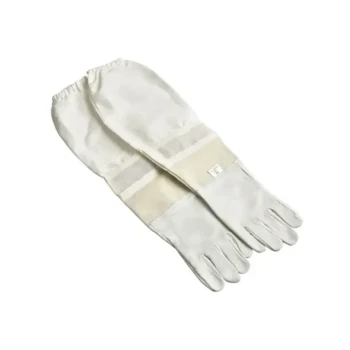
- Beekeeping Gloves Goatskin Leather with Long Cotton Sleeve for Beekeepers
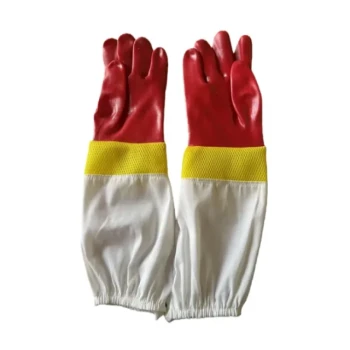
- Heavy Duty Red Rubber Beekeeping Gloves with Vented Mesh Cotton Sleeves
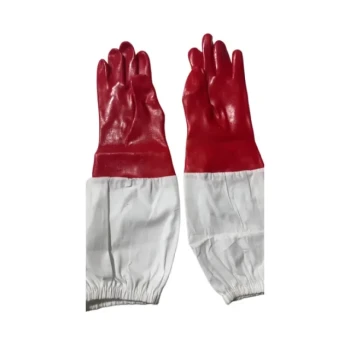
- Heavy Duty Red Rubber Beekeeping Gloves with Extended Pure Cotton Sleeves for Beekeepers
- Goatskin Leather Beekeeper Gloves with Vent Long Sleeve for Beekeeping Honey Bee Sting Proof Protection
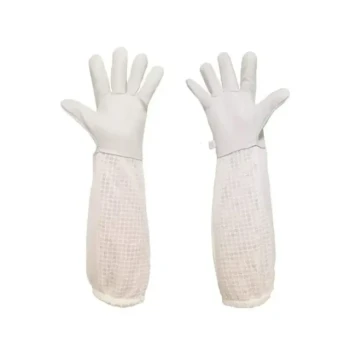
- Premium Ventilated Goatskin Beekeeping Gloves with Full 3-Layer Mesh Sleeve
People Also Ask
- What are the characteristics of the best gloves for beekeeping? Choose Protection & Dexterity
- What are the primary purposes of using beekeeping gloves? Protect Your Hands and Ensure Apiary Hygiene
- What types of gloves are available for beekeeping? Choose the Right Protection for Your Hive
- Why is it important for beekeepers to wear gloves? Essential Safety and Confidence for Hive Management
- Why do some experienced beekeepers opt not to wear gloves? Discover the Benefits of Tactile Precision