Disposable nitrile gloves enhance beekeeping through superior hygiene and precision. They primarily serve to improve apiary sanitation by eliminating cross-contamination between hives, while their thin profile offers the tactile sensitivity needed for delicate frame manipulation that bulky leather gloves cannot provide.
Core Insight: While traditional leather gloves prioritize protecting the beekeeper from pain, nitrile gloves prioritize the health of the hive. By sacrificing complete sting immunity, you gain the dexterity to handle bees more gently and the sanitation protocols necessary to stop disease spread.
Prioritizing Apiary Hygiene
Preventing Pathogen Transfer
The most significant advantage of disposable nitrile gloves is the ability to maintain strict sanitation protocols. By using a fresh pair for each colony inspection, you effectively eliminate the risk of transferring pathogens or pests from a sick hive to a healthy one.
Chemical Resistance
Nitrile is a synthetic rubber that offers robust chemical resistance. This makes the gloves durable and safe when handling common apiary substances, such as bee repellents, varroa mite treatments, or equipment disinfectants.
Enhancing Handling and Precision
Superior Tactile Sensitivity
The thin, snug-fitting design of nitrile gloves provides dexterity equivalent to bare hands. This sensitivity allows you to feel the weight and texture of the frames, giving you precise control during inspections that thick leather gloves obscure.
Reducing "Clumsy" Mistakes
With better control, you are significantly less likely to accidentally crush bees between frames. Crushed bees release alarm pheromones that trigger defensiveness in the rest of the colony; therefore, the precision of nitrile often leads to a calmer, more manageable hive.
Understanding Protective Capabilities
Masking the Human Element
While thin, the texture and material of nitrile help disguise the feel and scent of human skin. Supplementary data suggests this camouflage can make bees less likely to perceive your hand as a target and initiate a sting response.
Stinger Management
Nitrile gloves offer high puncture resistance, but they are not sting-proof. However, if a bee does sting, the material often prevents the stinger from embedding deeply into the skin, making removal easier and faster.
Understanding the Trade-offs
The "Wrist Gap" Vulnerability
A major limitation of standard nitrile gloves is their short cuff length. Unlike gauntlet-style leather gloves, nitrile leaves the wrist exposed, requiring you to carefully secure your bee suit sleeves to ensure no skin is visible.
Comfort and Breathability
Nitrile is impermeable, which leads to sweaty hands during hot weather inspections. Many beekeepers mitigate this by wearing thin cotton liners underneath to absorb moisture and improve comfort.
Protection Limits
These gloves are not designed for aggressive hives. If your primary goal is 100% protection against pain, or if you are dealing with a "hot" hive, the thin material will not provide a sufficient barrier against multiple stings.
Making the Right Choice for Your Goal
To determine if nitrile gloves are the right tool for your next inspection, consider your immediate objective:
- If your primary focus is Disease Control: Use nitrile gloves and rigorously change them between every hive to create a sanitation firewall.
- If your primary focus is Precision and Gentleness: Choose nitrile to maximize tactile feedback, reducing accidental bee deaths and keeping alarm pheromones low.
- If your primary focus is Maximum Defense: Stick to thick leather gauntlets if you are working with an aggressive colony or are highly allergic.
Nitrile gloves represent a shift toward professional, surgical-style beekeeping where the priority is the meticulous care of the colony rather than the armor of the keeper.
Summary Table:
| Feature | Nitrile Gloves | Traditional Leather Gloves |
|---|---|---|
| Hygiene | High (Disposable; prevents cross-contamination) | Low (Hard to clean; retains pathogens) |
| Sensitivity | Superior (High tactile feedback) | Low (Bulky; limited feel) |
| Sting Protection | Partial (Puncture resistant but not sting-proof) | High (Thick barrier against stings) |
| Bee Safety | High (Precision prevents crushing bees) | Lower (Higher risk of accidental crushing) |
| Durability | Single-use | Multi-year |
| Main Use Case | Commercial apiaries & disease control | Aggressive hives & maximum protection |
Scale Your Apiary Operations with HONESTBEE
Are you looking to enhance your apiary's efficiency and hygiene? At HONESTBEE, we specialize in supporting commercial apiaries and distributors with a comprehensive range of high-quality wholesale beekeeping solutions. From essential consumables like disposable nitrile gloves to specialized hardware including hive-making machinery and honey-filling equipment, we provide the tools you need to succeed in the modern beekeeping industry.
Why Partner with Us?
- Comprehensive Inventory: Access the full spectrum of tools, machinery, and honey-themed cultural merchandise.
- Commercial Focus: Tailored wholesale offerings designed specifically for large-scale operations and distributors.
- Expert Support: Leverage our industry knowledge to optimize your equipment and supply chain.
Ready to upgrade your equipment? Contact us today to discuss how our portfolio can benefit your business.
Related Products
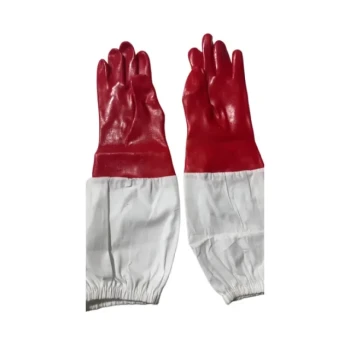
- Heavy Duty Red Rubber Beekeeping Gloves with Extended Pure Cotton Sleeves for Beekeepers
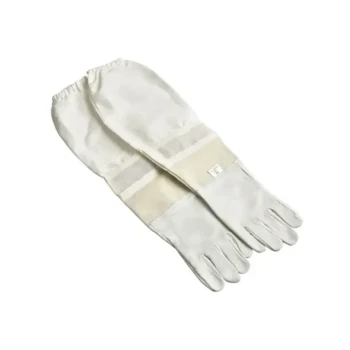
- Goatskin Leather Beekeeper Gloves with Vent Long Sleeve for Beekeeping Honey Bee Sting Proof Protection
- Beekeeping Gloves Goatskin Leather with Long Cotton Sleeve for Beekeepers
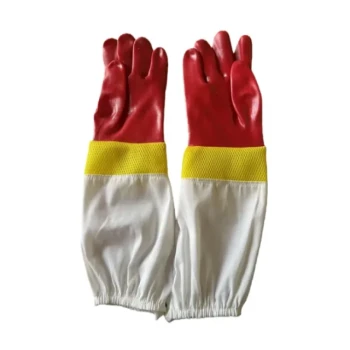
- Heavy Duty Red Rubber Beekeeping Gloves with Vented Mesh Cotton Sleeves
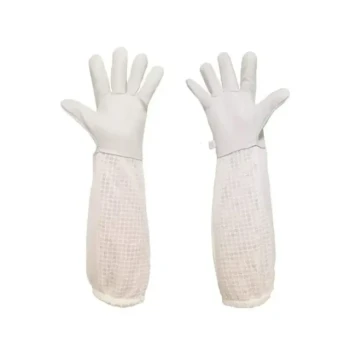
- Premium Ventilated Goatskin Beekeeping Gloves with Full 3-Layer Mesh Sleeve
People Also Ask
- When might a beekeeper decide to work without gloves? Master Hive Finesse and Dexterity
- Why is cleaning beekeeping gloves necessary? Vital Steps for Apiary Biosecurity and Hive Management
- What factors should be considered when selecting beekeeping gloves? Balance Protection and Dexterity
- What are the benefits of properly cleaning and storing beekeeping gloves? Protect Your Bees, Safety & Investment
- Why is personal preference important when choosing beekeeping gloves? Find Your Perfect Fit for Protection & Dexterity