Glass honey packaging is characterized by its chemical inertness, exceptional barrier properties, and optical clarity. As a non-porous material, glass acts as a hermetic shield that preserves the honey’s authentic flavor profile while allowing consumers to visually inspect the product's quality, color, and texture.
Core Takeaway Glass is the definitive choice for maximizing product shelf-life and projecting a premium brand image. However, its superior preservation qualities must be weighed against significant logistical costs regarding weight and fragility compared to plastic alternatives.
The Preservation of Product Integrity
Unmatched Chemical Stability
Glass is chemically inert and odorless. Unlike some plastics, it will not react with the honey or leach chemicals into the product.
This ensures that the honey maintains its original flavor and aromatic complexity over long storage periods.
Superior Barrier Protection
Glass provides a near-perfect oxygen and moisture barrier. By blocking external moisture, it helps prevent fermentation, which can spoil the product.
Simultaneously, it prevents water evaporation from inside the jar. This stability helps delay crystallization and ensures the honey retains its intended viscosity.
Retention of Volatile Aromas
Honey possesses delicate, volatile aromas that define its varietal character. Glass bottles effectively trap these aromas inside the container.
This barrier also blocks the intrusion of external odors from the surrounding environment, ensuring the honey tastes exactly as it did at the harvest.
Visual and Market Appeal
High Transparency
The optical clarity of glass allows the consumer to perform an immediate visual assessment. Buyers can inspect the honey's golden color, consistency, and state of crystallization before purchasing.
This visibility lowers the "decision-making threshold" for consumers, as the quality is on display rather than hidden.
Elevated Aesthetic and Design
Glass is associated with premium positioning. It provides a substantial, high-quality tactile feel that plastic cannot replicate.
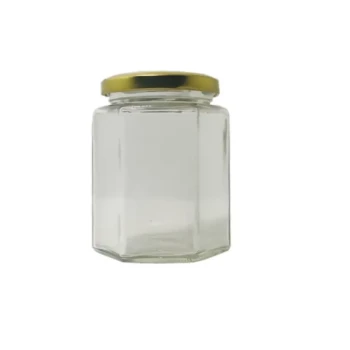
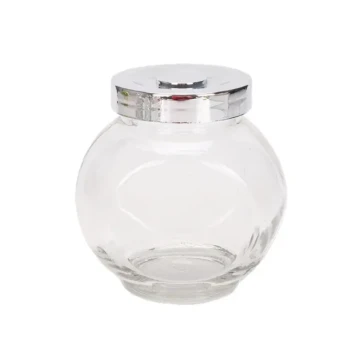
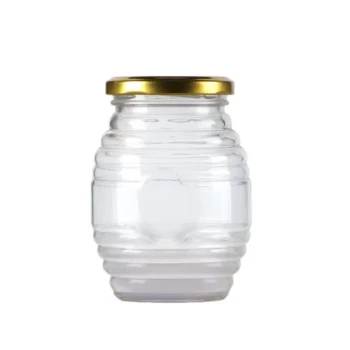
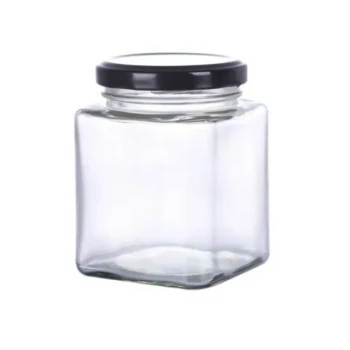
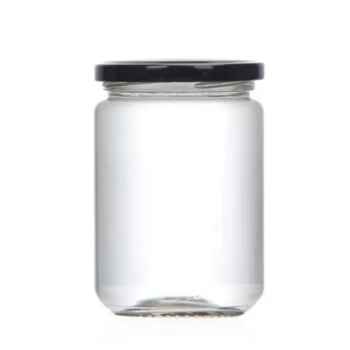
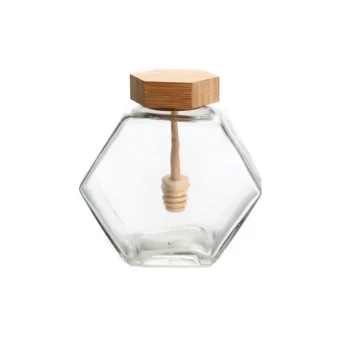
Common designs range from classic wide-mouth jars (which allow for easy spoon access and labeling) to specialized styles like Muth, Queenline, Hive, and Hex jars.
Sustainability Profile
Glass is considered a sustainable packaging option. It is infinitely recyclable without loss of quality and is highly reusable by the consumer, aligning with eco-conscious market demands.
Understanding the Logistical Trade-offs
The Weight Penalty
Glass is significantly heavier than plastic. An empty 1 lb glass jar can weigh between 14 to 16 ounces, nearly doubling the gross weight of the final product.
This added weight drastically increases shipping costs, particularly for e-commerce businesses fulfilling individual orders.
Fragility and Breakage
Glass is susceptible to shattering upon impact. To mitigate this, businesses must invest in protective packaging materials like bubble wrap and reinforced boxes.
This requirement adds both material costs and labor time to the fulfillment process.
Storage Constraints
Glass requires more structured warehousing. Due to its weight and brittleness, glass containers cannot be stacked as high as plastic containers without risking structural failure or crushing the bottom layers.
Making the Right Choice for Your Goal
- If your primary focus is premium retail sales: Choose glass to command a higher price point, extend shelf life, and leverage the consumer's perception of quality.
- If your primary focus is direct-to-consumer shipping: Calculate your margins carefully, as the increased freight and breakage insurance costs of glass may erode profitability compared to lighter alternatives.
Glass remains the superior technical choice for preservation, provided your supply chain can support the physical demands of the material.
Summary Table:
| Feature | Key Characteristic | Impact on Honey Quality |
|---|---|---|
| Material Stability | Chemically inert and non-porous | Prevents leaching; preserves authentic flavor and aroma. |
| Barrier Properties | Near-perfect oxygen/moisture seal | Prevents fermentation and manages crystallization. |
| Visibility | High optical transparency | Allows consumer inspection of color and texture. |
| Sustainability | 100% infinitely recyclable | Aligns with eco-conscious branding and reusability. |
| Logistics | High weight and fragility | Increases shipping costs and requires protective packaging. |
Scale Your Honey Business with HONESTBEE
Are you looking to elevate your honey brand's market presence? HONESTBEE is the dedicated partner for commercial apiaries and distributors worldwide. We provide a comprehensive wholesale range, from specialized hardware like honey-filling machines to premium glass packaging and beekeeping tools.
Whether you are scaling up production or looking for the highest quality industry consumables, we deliver the solutions you need to succeed. Contact HONESTBEE today to discuss your wholesale requirements and see how our expertise can grow your operations!
Related Products
- Hexagonal Glass Honey Jars with Metal Lug Caps Elegant Versatile Packaging
- Classic Drum Shaped Glass Honey Jar with Airtight Lid
- Classic Glass Honey Jar with Metal Lug Cap for Beehive Storage
- Modern Square Glass Honey Jar with Twist Off Lid
- Classic Round Glass Honey Jar with Lid
People Also Ask
- What is the aesthetic appeal of using glass jars for honey? Elevate Your Brand with Premium Packaging
- What are the logistical challenges associated with using glass jars for honey packaging? Navigating Weight & Fragility
- What are the advantages of glass containers for honey? Elevate Quality and Market Value with Premium Packaging
- What are the technical advantages of using glass jars for honey? Master Commercial Packaging for Premium Purity
- What are the advantages of using glass jars for honey packaging? Preserve Purity & Elevate Your Brand